Veer
GENERALIZATION — *trained here, tested here — now go somewhere new, does it still know the way?*
Loading audio…
Press play to listen along. The line being read lights up as you go.
Show full transcript
Loading transcript…
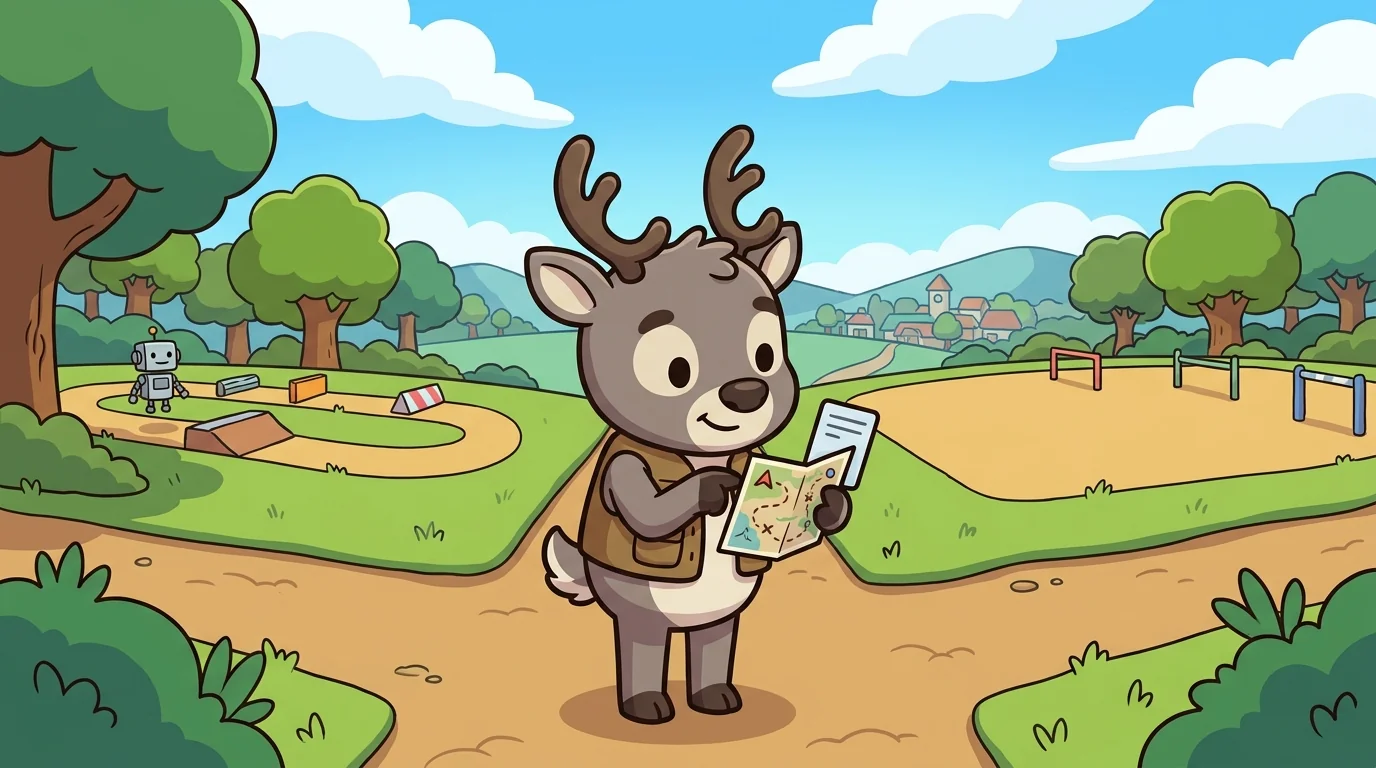
Veer is a small caribou-tween — warm grey-brown with a cream belly — in a chunky traveler-vest, a tiny migration-map tucked in his pocket and a test-validation-card always in paw.
Veer is curious about new places, and he has one favorite question: "Trained here, tested here — now go somewhere new. Does it still know the way?" That's his whole craft: generalization — whether a smart machine can use its old lessons in a new place. Lots of kids think, "If my robot got 95% right in practice, it'll get 95% in the real world!" But not always: sometimes the robot just memorizes the practice answers instead of learning the rules. That's overfitting. "Memorizing isn't learning," Veer says, tapping his map. "Using what you know somewhere new — that's learning."
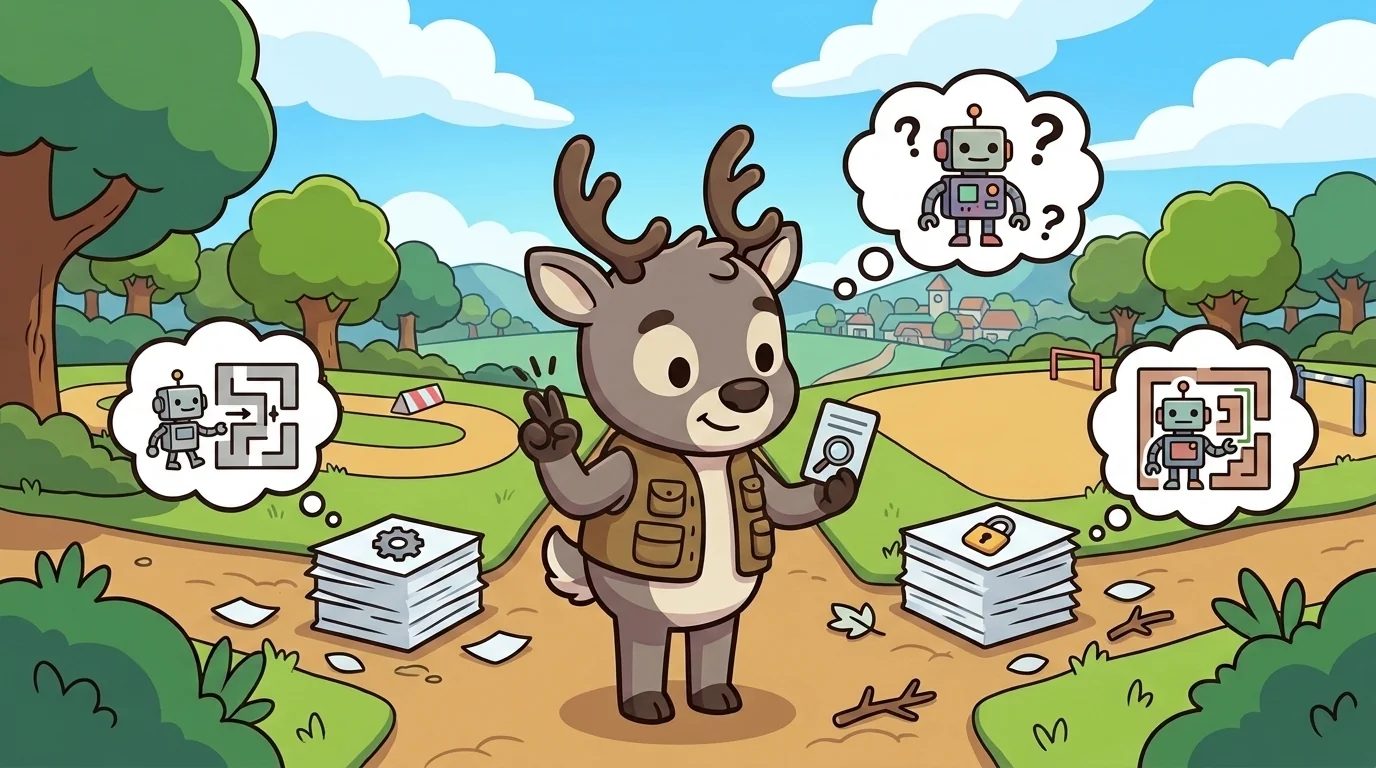
The way you catch overfitting, Veer explains, is you hide some of the data.
Split your pile three ways: a big train pile to practice on, a validation pile for warm-up quizzes, and a test pile you never peek at until the very end. Then you watch for the symptoms. Overfitting: aces the practice, flops the hidden test — it memorized the exact questions, like a student who studied only the practice sheet. Underfitting: flops both — it didn't learn anything at all. The sweet spot: does great on practice AND great on the hidden test, scores almost the same — real learning happened.
"There's a trick called regularization," Veer adds, "that stops a robot from trying to memorize every tiny leaf, so it learns the big branches instead — and generalizes better. And watch for distribution shift: a robot that learned all about cats will get confused by dogs, because dogs are just too different from what it saw. That's not the robot's fault — it never saw a dog. Which is why you never get overconfident: the world keeps changing, so you keep checking."
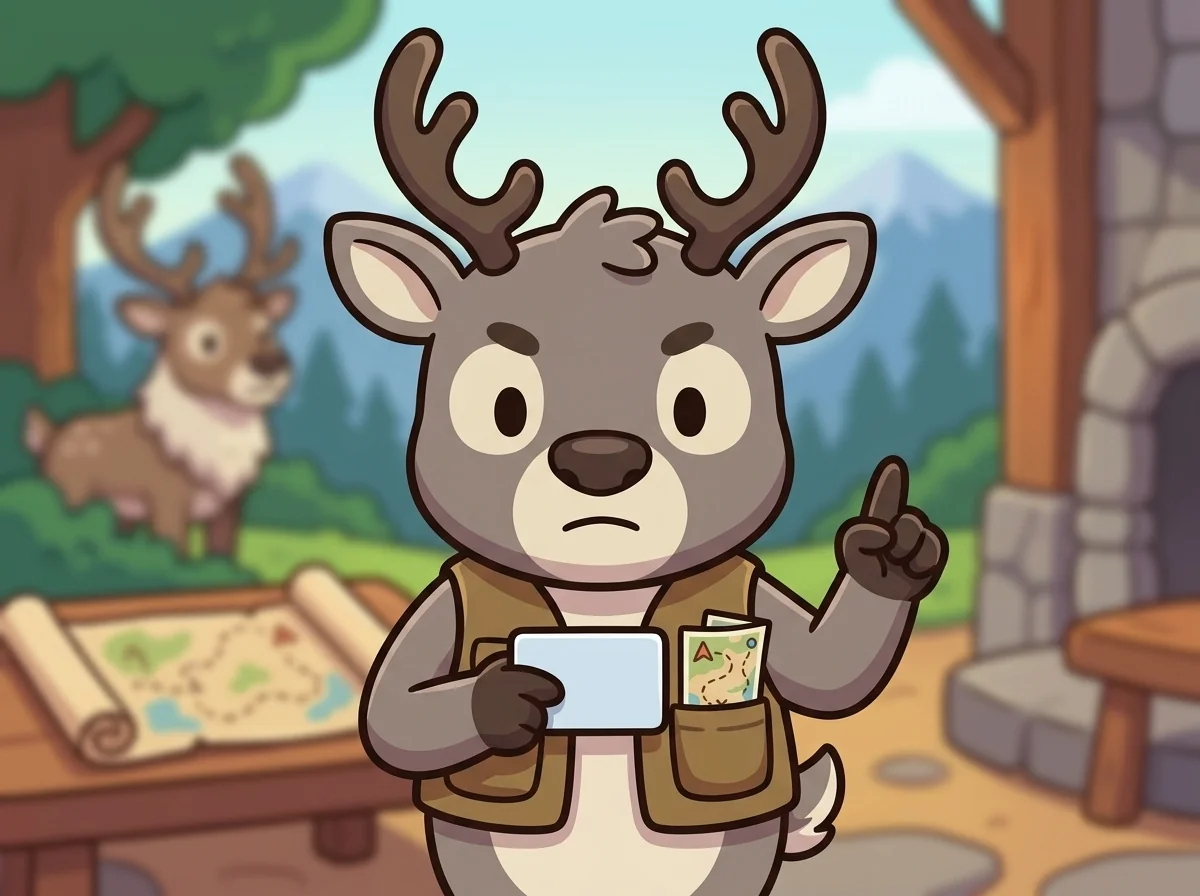
When Veer was twelve, he went to NeuralQuest, where Sift, a wise old caribou, asked him, "What is generalization?"
Veer stood tall. "Trained here, tested here — now go somewhere new. Does it still know the way? Memorizing isn't learning. Working on new data is."
"That's generalization!" Sift smiled. "You are appointed."
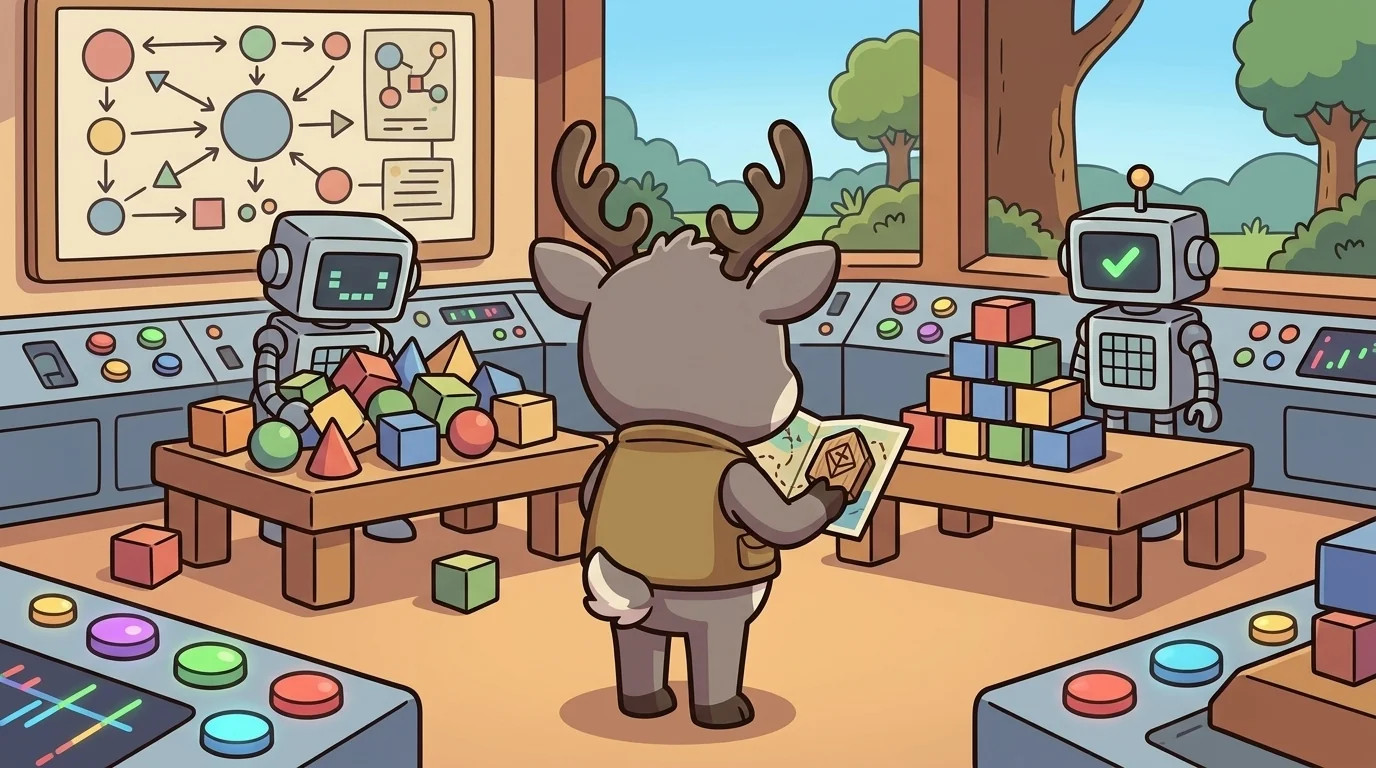
Veer's workshop was full of blinking lights. He showed a small robot that learned to sort a pile of blocks — Dataset A. "Watch." The robot sorted all of Dataset A perfectly. "One hundred percent! Looks great!" Then Veer handed it a new, hidden pile — Dataset B — and the robot sorted only 40% right, dropping blocks everywhere. "See? It just memorized Dataset A — it never learned how to sort. That's overfitting." Then he showed a second robot, trained on the same Dataset A but with the regularization trick. It got 95% on Dataset A — not perfect, but good — and then 88% on the hidden Dataset B. "The scores are close. This robot really learned; it can sort new blocks too. That's real generalization!" Then he taught the whole discipline as one traveler's habit: always test on data you held out and hid; compare the hidden score to the practice score (a big drop means it memorized); ask whether the new place is even like the old one (distribution shift); and never — ever — trust a machine that only ever saw the old stuff. "Overfitting on your first try is normal," he added. "Good generalization just takes care."
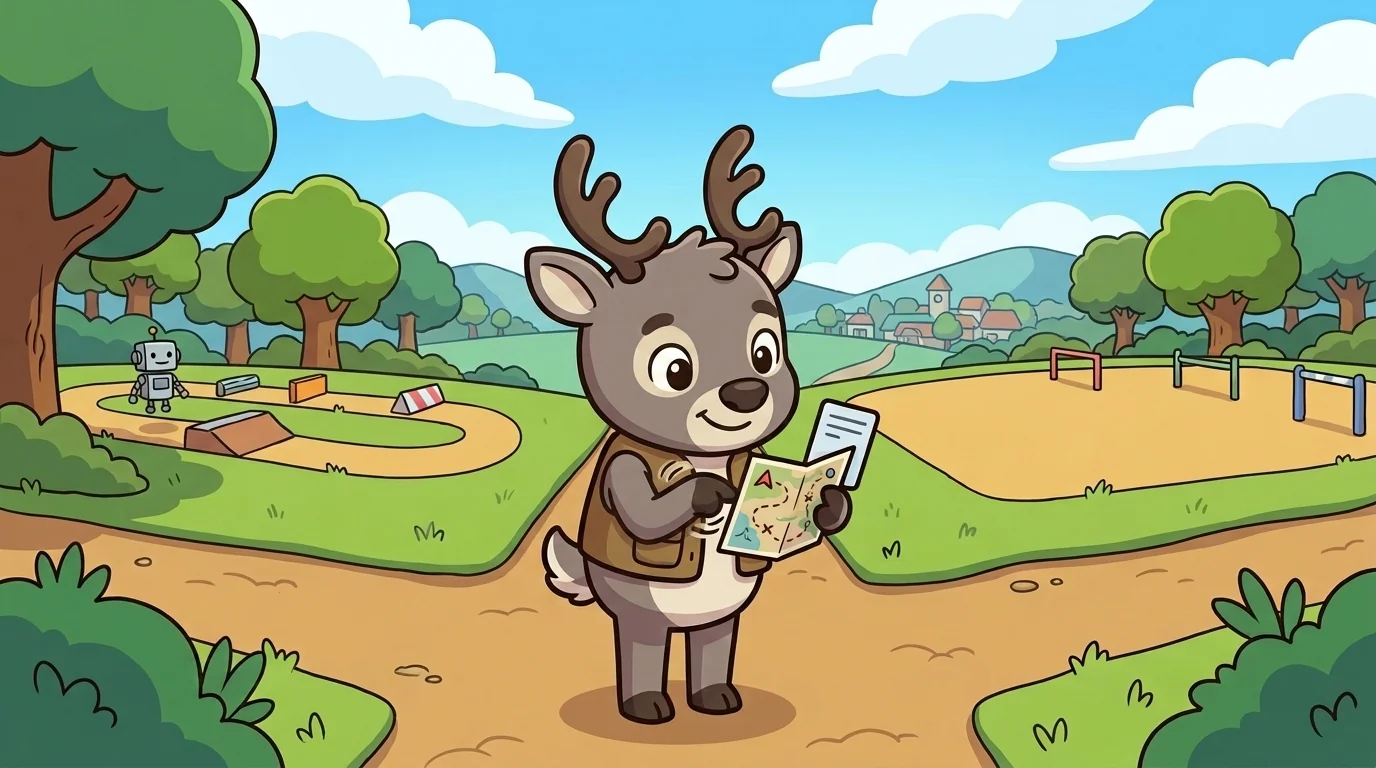
"So the scary part — sending it somewhere new to find out — is actually the important part?" a student asked.
"The most important part," Veer said, and his eyes went warm and glad. Because that question — the not-knowing, the going somewhere new — was the part he loved most. It made him feel curious and awake and a little bit brave, that jittery-and-excited feeling all at once, right before you find out. "That feeling right there," he said softly, tapping his map one last time, "the excited-nervous one, before you know if it still knows the way? That's the best part. Don't be scared of it — follow it." That curious, awake, excited-nervous, follow-it-into-new-territory feeling — braver than the false comfort of the practice score — was, to Veer, the whole reason it was worth going somewhere new to find out.
The NeuralQuest ensemble
Veer is part of NeuralQuest's distributed-narrative cast. Each character embodies a different curricular primitive; together they teach the full subject.
-

Tag
Labeling — the cheerful labeler who treats every label as a human choice and meaning-making act ('every label is a choice — and you're the one making it')
-
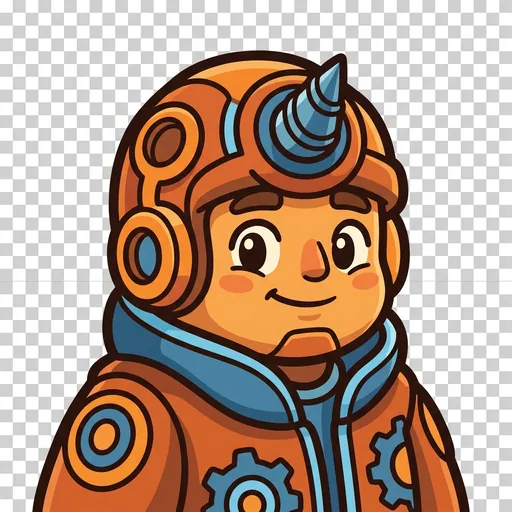
Drill
Training loops — the focused practitioner who treats iteration as rhythm, not race; explicit teacher of when-to-stop ('once, again, again — different this time? Then again')
-
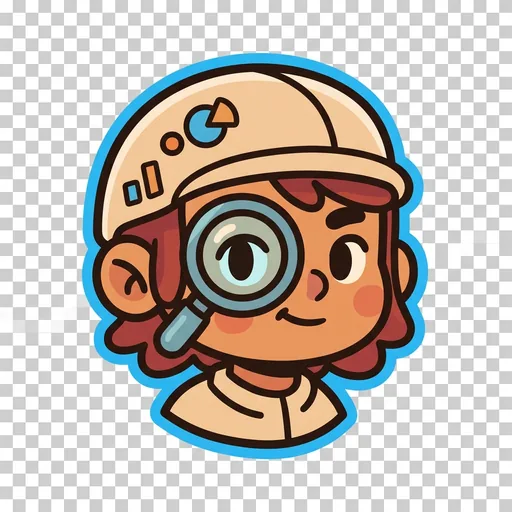
Skew
Bias + data fairness — the bias-vigilance anchor who always asks 'whose data is in here, whose is missing, who decided'; appears in every kit from kit 5 onward
-

Weigh
Ethics + decisions — the reflective elder who carries the ethics gate at the AI-in-society capstone ('can we build it? Yes. Should we? That's a different question')
-
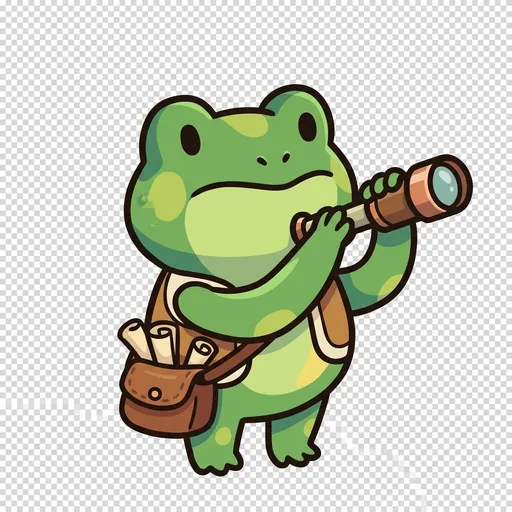
Foretell
Prediction — the model learned on the past; now it guesses about something it's never seen (the leap is the whole point and the whole risk)
-
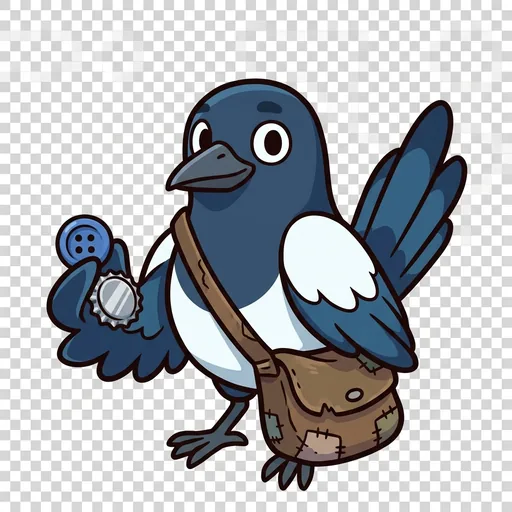
Glean
Feature selection — a computer can't look at everything; what you let it look at is what it learns from, so choose the clues on purpose
-
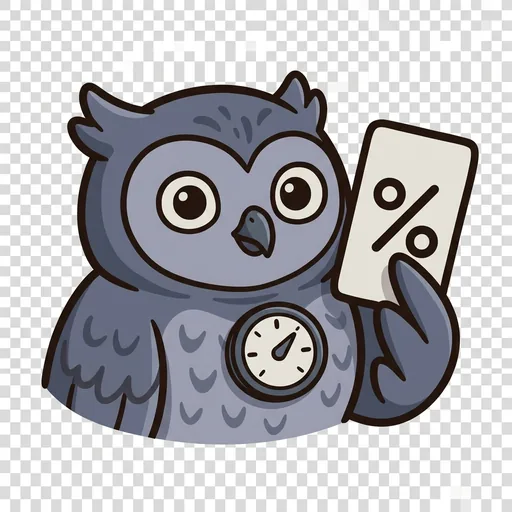
Odds
Confidence — I'm not sure, I'm 80% sure; those are different, and the difference is the whole point
-
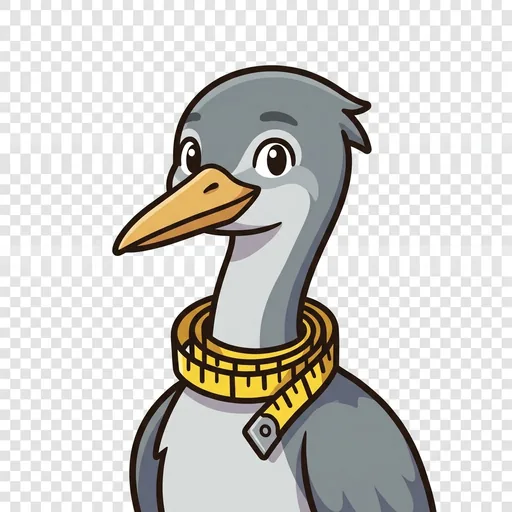
Rue
Loss — how far off was that guess? the exact size of the miss tells the model which way to change
-
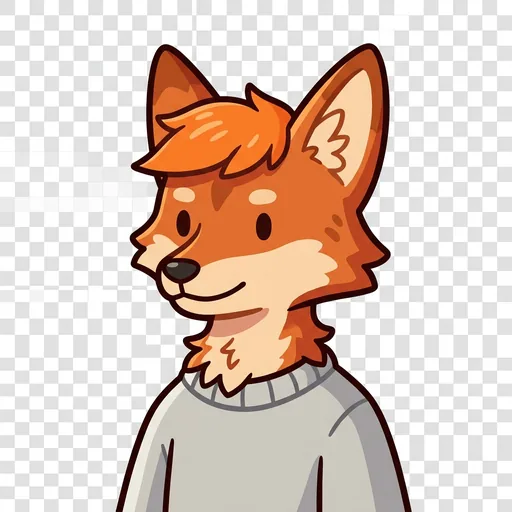
Verge
Decision threshold — the model gives a number, I draw the line; move the line and you choose what you'd rather be wrong about