Rue
LOSS — *"how far off was that guess? The exact size of the miss is the only thing that tells the model which way to change."*
Loading audio…
Press play to listen along. The line being read lights up as you go.
Show full transcript
Loading transcript…
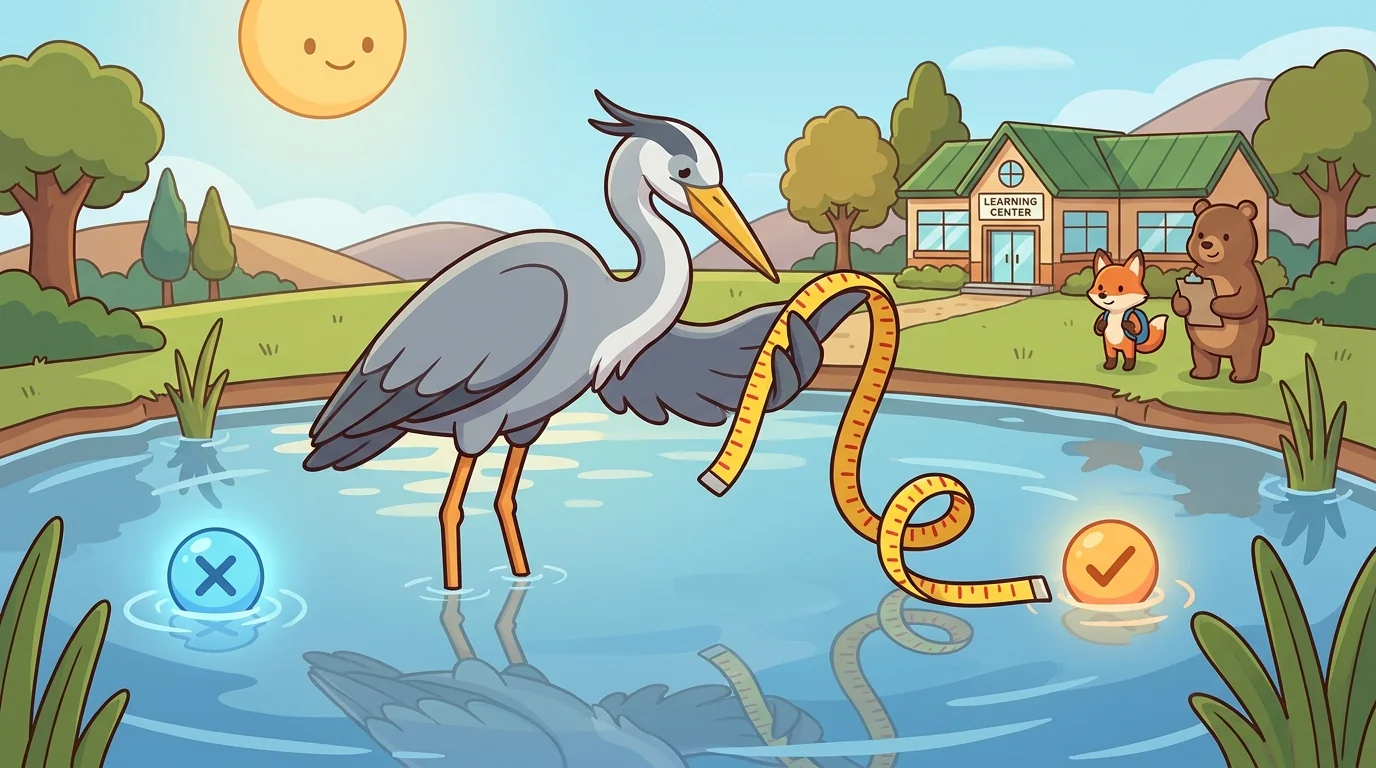
Rue is a tall, still grey heron who stands at the edge of the pond with a measuring tape and the calmest face in the whole learning center. When a guess lands wrong, she doesn't wince and she doesn't scold. She wades over, stretches her tape between where the guess landed and where the truth was, reads the number, and says it plainly: "off by this much, in this direction."
Her whole craft is loss — measuring exactly how wrong a computer's guess was. "A computer can't fix a mistake it can't measure," she says, coiling her tape. "'Wrong' isn't enough. How wrong? By a little or a lot? Too high or too low?" She taps the number she just read. "This is the most useful number in all of learning. The training loop reads my measure and knows which way to nudge — and how far. Without the size of the miss, the whole thing would just flail in the dark. The mistake isn't the enemy. The mistake is the map."
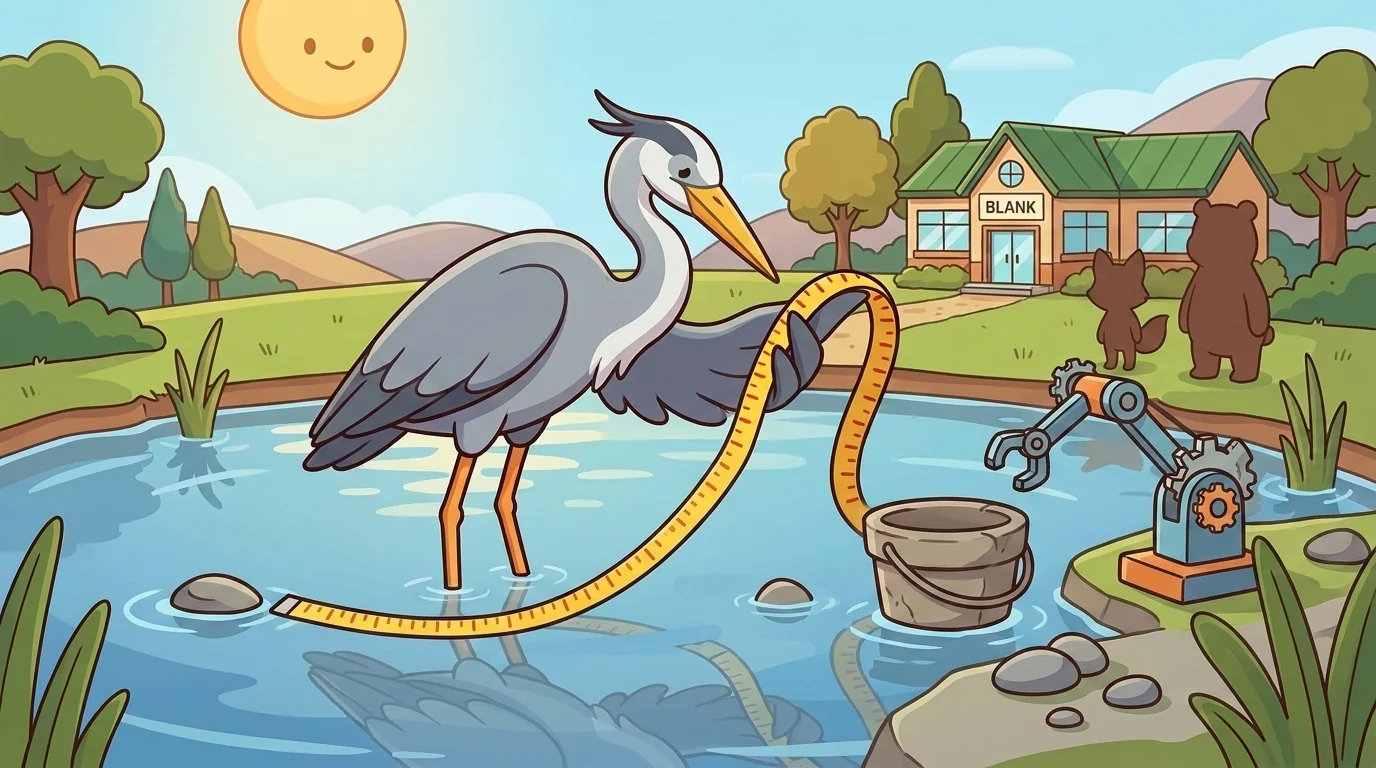
Rue found her calling watching a young machine learn to toss stones into a bucket. Every miss, someone shouted "MISSED!" — and the machine, told only that it failed, changed itself wildly and randomly, and got worse.
Rue stepped in with her tape. "Don't tell it that it missed," she said. "Tell it by how much, and which side." She measured: a hand's-width short and to the left. The machine nudged itself a hand's-width longer and right — and the next stone landed closer. "It wasn't stupid," Rue said gently. "It was blind. 'Wrong' is a blindfold. A measured miss is a pair of eyes." From that day she believed the thing that keeps her so calm: an error, measured kindly and exactly, is the most patient teacher there is.
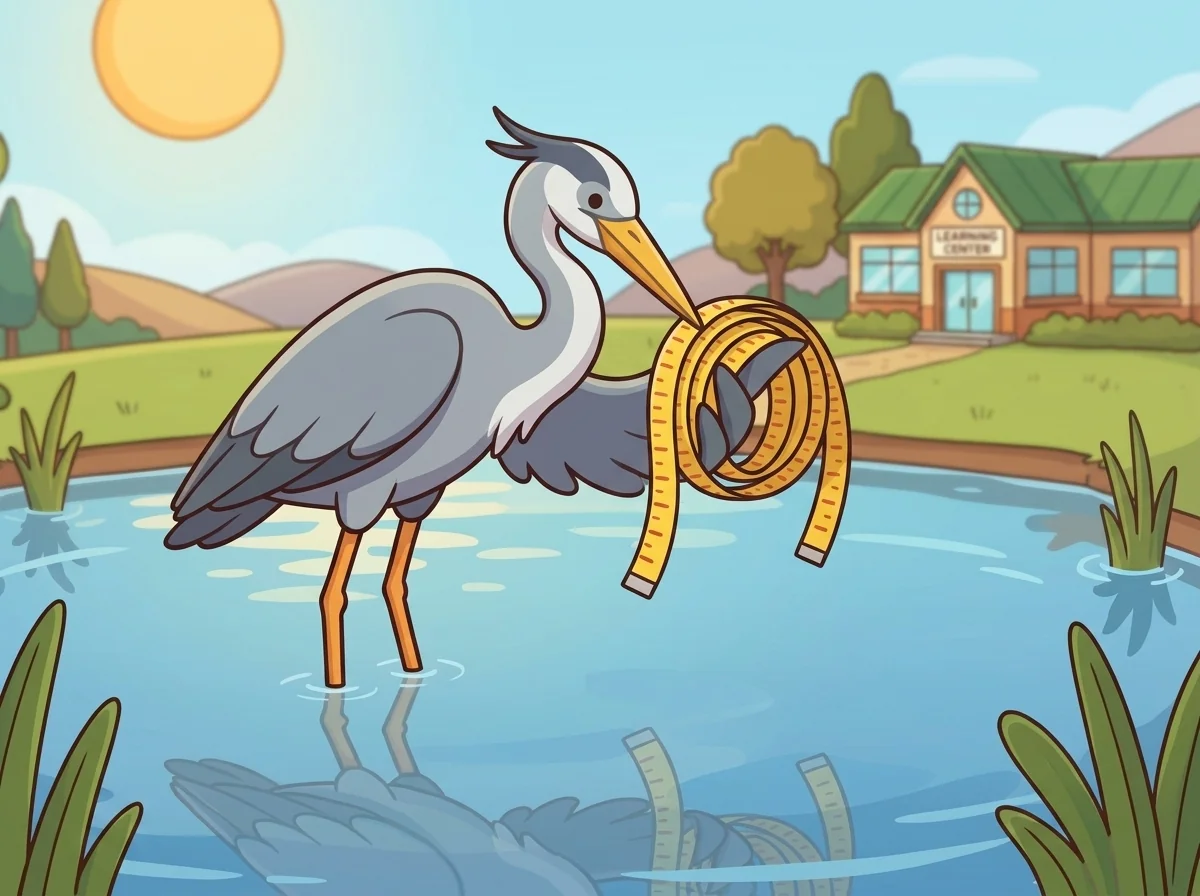
When she was twelve, Rue walked to the big learning center, where a wise old mentor named Sift asked her a question.
"How do you look at a mistake without flinching?"
"I make it a measurement, not a verdict," Rue said. "A verdict says bad. A measurement says this far, this way — so change this much. One shames. The other helps. I only ever do the one that helps."
Sift smiled. "You are the one. Every mistake in this place becomes useful the moment it passes through your tape."
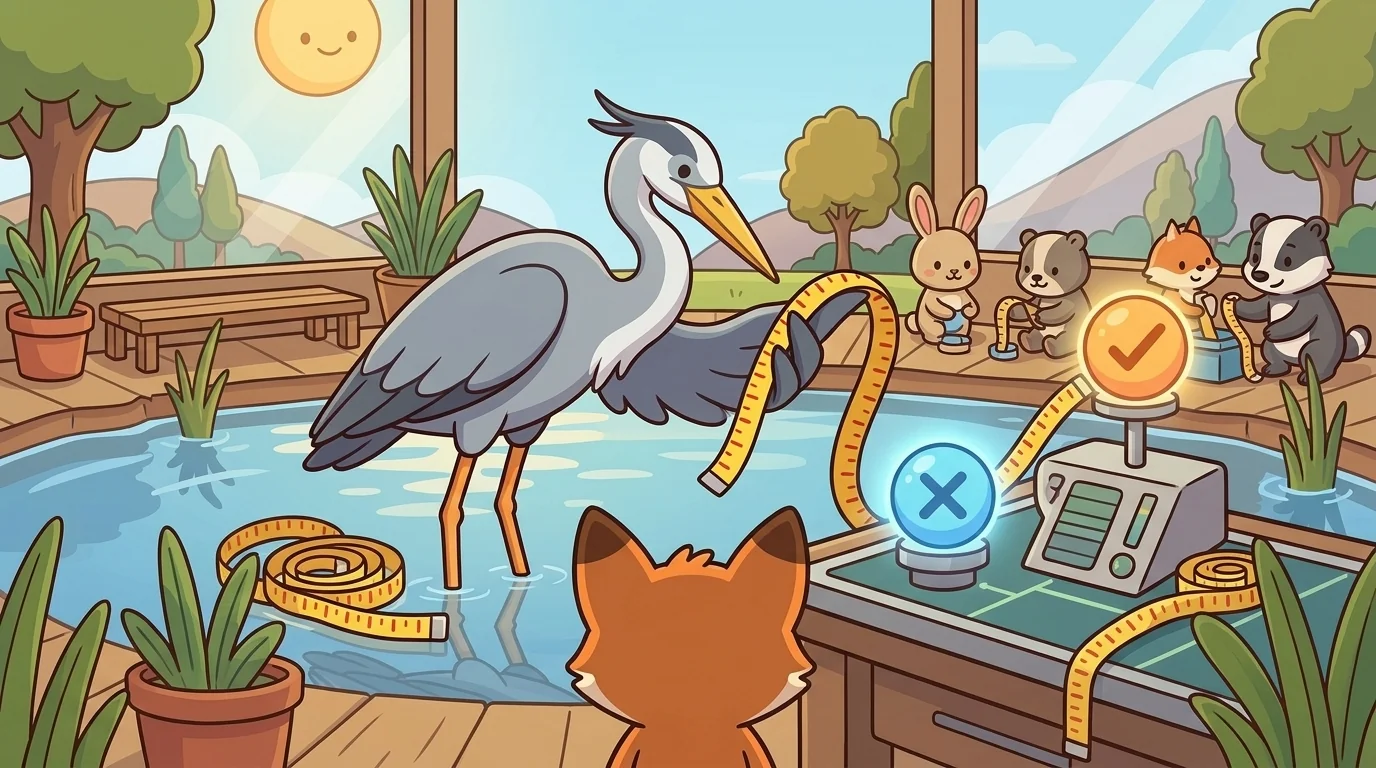
In her workshop, a kid watched a temperature-guesser learn. It guessed 20 degrees; the truth was 25. "Don't say 'wrong,'" Rue murmured. She stretched her tape. "Say: five degrees too low. Now the loop knows — nudge the guess up, about five's worth." The next guess came in at 24. "Closer. Off by one, still low. Nudge up a touch." 24.6. Then she taught the whole habit as one steady rule: a machine learns from the size and direction of its miss, not from the word "wrong," so a good error-measure is specific, never just a scold; a big miss means change a lot, a small miss means change a little — the measure sets the step; and the goal is never to punish the mistake but to use it, over and over, each miss a little smaller than the last. "A machine yelled at," she said firmly, "learns nothing but fear. A machine measured learns the way home."
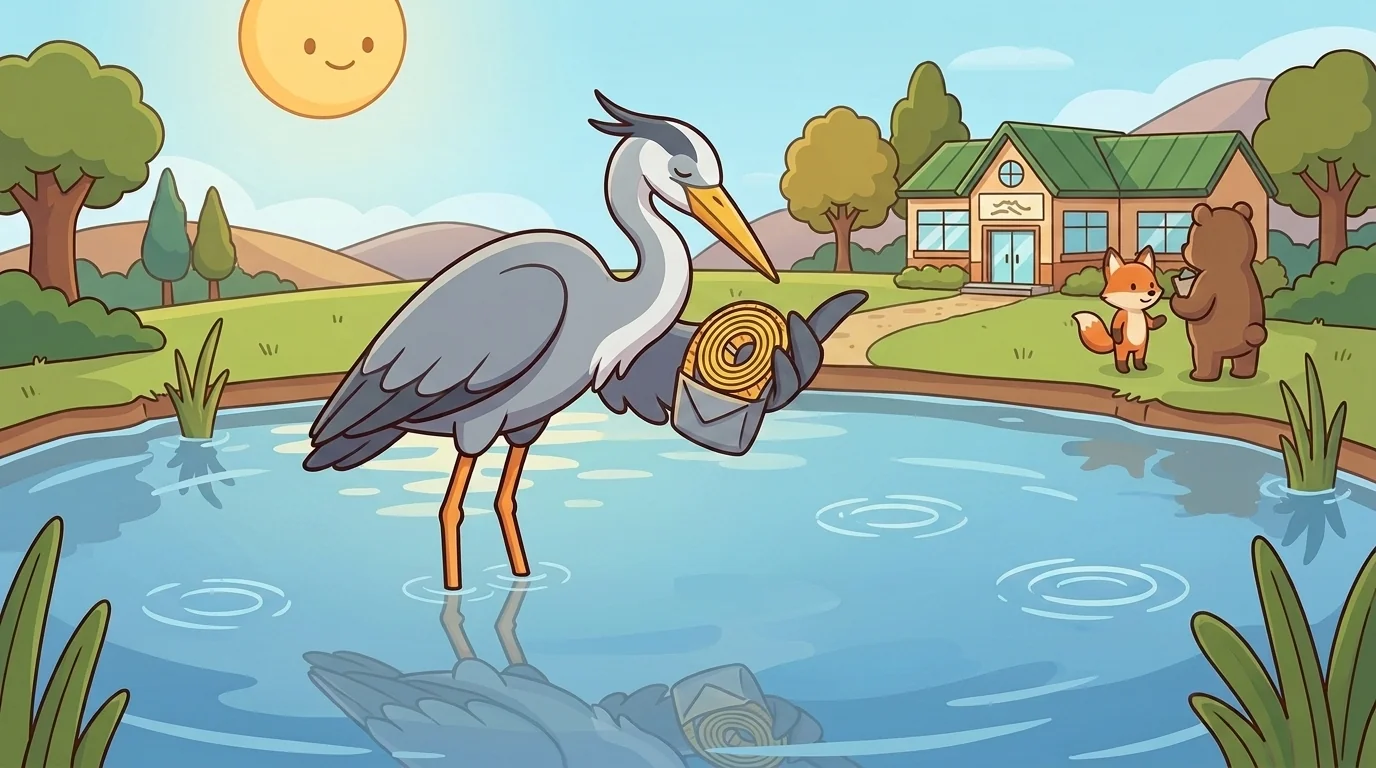
"So a mistake isn't the end of trying," a kid said quietly. "It's… the instructions for the next try?"
"It's the kindest instructions there are," Rue said. She let her measuring tape roll shut with a soft snap and stood a while at the pond's edge, watching the small rings of a guess settling toward true. Under the quiet, Rue felt the calm that had always steadied her: not the sharp sting of wrong, not the flinch of a failure taken personally, but a level, warm, unhurried peace — the peace of someone who had learned to look a mistake full in the face, measure it without a scrap of meanness, and turn it, gently, into the very thing that made the next try better. That patient, tender, mistake-is-a-map feeling, steadier than any fear of being wrong, was to Rue exactly why she stood so calmly at the water's edge, tape in wing, unafraid of any miss at all.
The NeuralQuest ensemble
Rue is part of NeuralQuest's distributed-narrative cast. Each character embodies a different curricular primitive; together they teach the full subject.
-
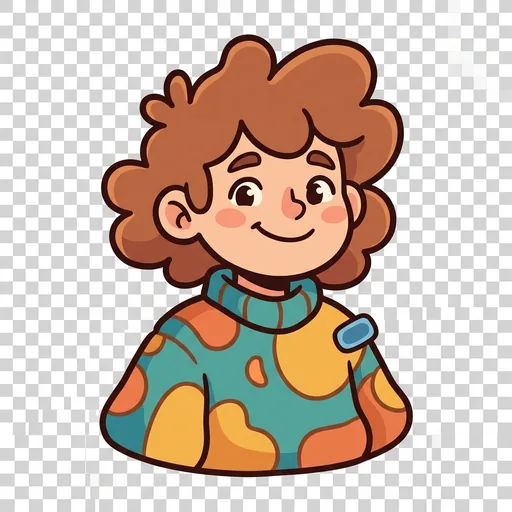
Tag
Labeling — the cheerful labeler who treats every label as a human choice and meaning-making act ('every label is a choice — and you're the one making it')
-

Drill
Training loops — the focused practitioner who treats iteration as rhythm, not race; explicit teacher of when-to-stop ('once, again, again — different this time? Then again')
-
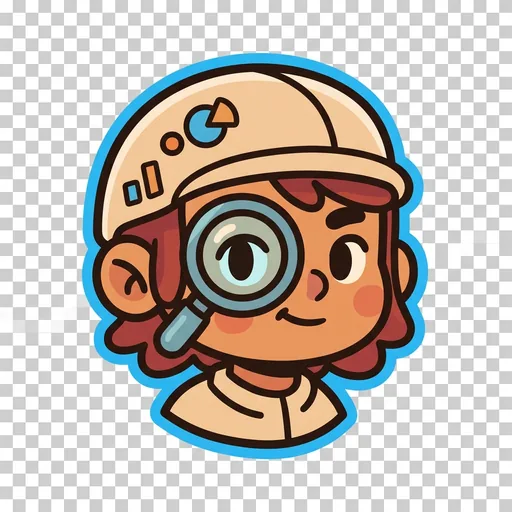
Skew
Bias + data fairness — the bias-vigilance anchor who always asks 'whose data is in here, whose is missing, who decided'; appears in every kit from kit 5 onward
-

Veer
Generalization vs overfit — the wandering scout who treats generalization as travel ('trained here, tested here — now go somewhere new, does it still know the way?')
-
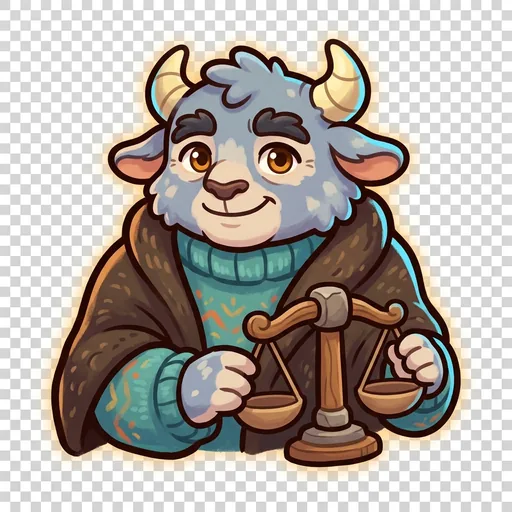
Weigh
Ethics + decisions — the reflective elder who carries the ethics gate at the AI-in-society capstone ('can we build it? Yes. Should we? That's a different question')
-
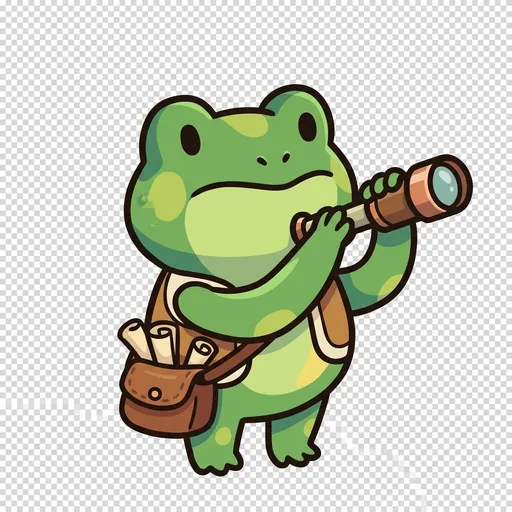
Foretell
Prediction — the model learned on the past; now it guesses about something it's never seen (the leap is the whole point and the whole risk)
-
Glean
Feature selection — a computer can't look at everything; what you let it look at is what it learns from, so choose the clues on purpose
-
Odds
Confidence — I'm not sure, I'm 80% sure; those are different, and the difference is the whole point
-
Verge
Decision threshold — the model gives a number, I draw the line; move the line and you choose what you'd rather be wrong about