The Garden of Gifts
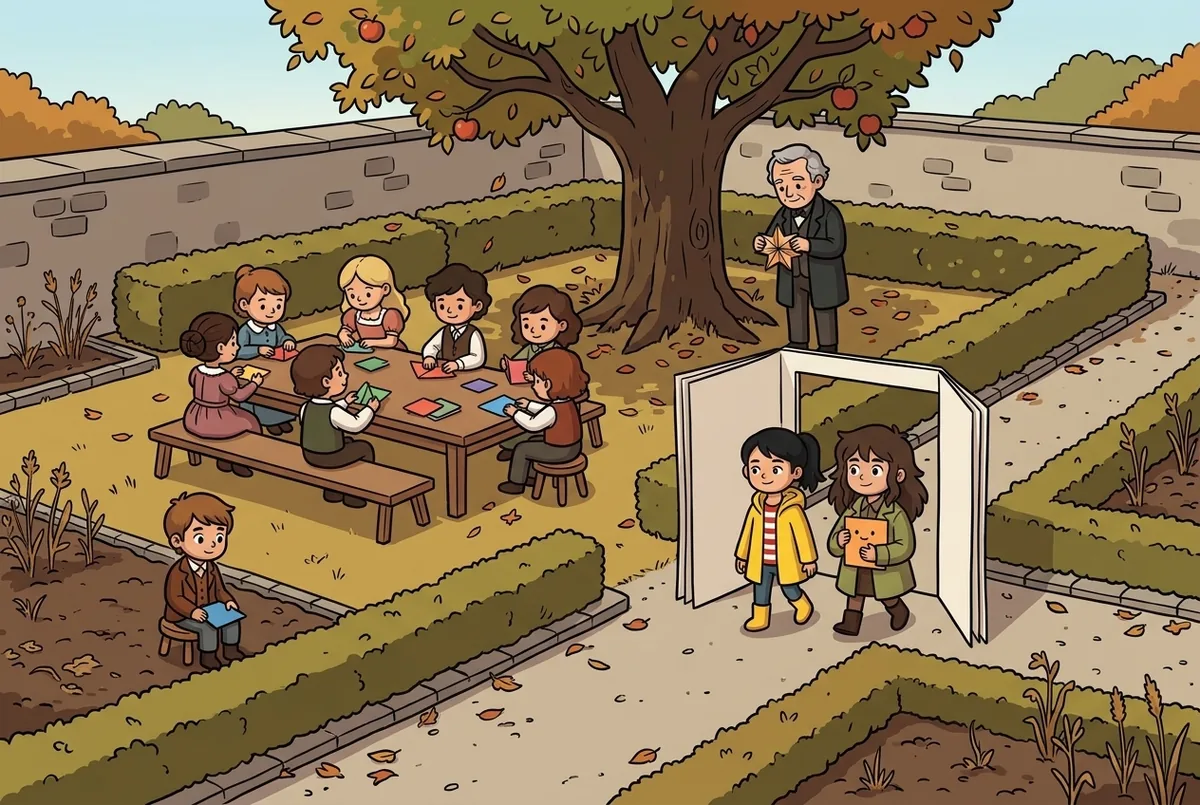
The idea: life, beauty and knowledge — one square can be all three.
Read it
One story, three ways: Sprout for a new reader, Grower in short chapters, Reader as a full chapter book. Same plot, same ending.
Who is in this book
-
 Kami Paper becomes a new shape with every fold, and it only cuts where it is told from CreaseTots
-
 Lan a child of the Green Goes first; makes a friend in a minute
-
 Cornelia Bring one corner to meet the other corner, exactly from CreaseTots
-
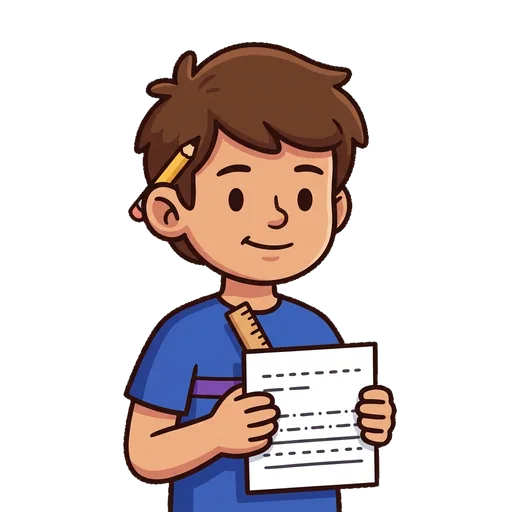 Mark The lines tell you what to do — dashes fold, solid lines cut from CreasePals
-
 Crinkle Smooth a crooked fold out and try again; the crease remembers from CreaseTots
-
 Presso Hold the paper still and press the fold flat so it stays from CreaseTots
-
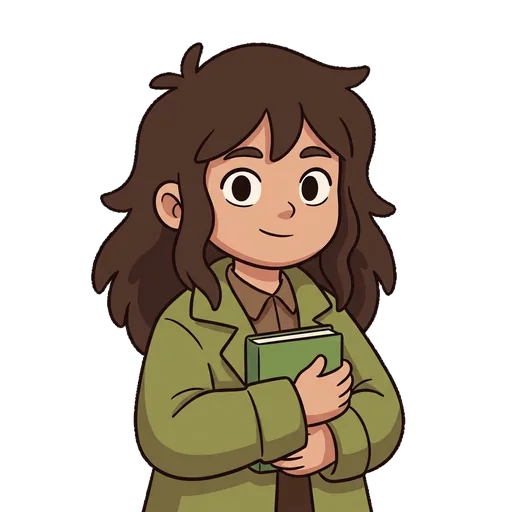 Inkling a child of the Green Names what she notices
Every recurring character has a short tune, so you can tell who is on stage before a word is said. The tunes play only when you tap, and the Reading Access sound switch turns them off.
The Honest Page
Which parts of this story are true, stretched or made up?
True
- Friedrich Fröbel opened a play school for small children in Bad Blankenburg, Germany, in 1837. In 1840 he gave it a new name: a kindergarten, a children's garden. Source
- Folding paper squares was one of the kindergarten's 'occupations', alongside weaving, cutting and clay. Source
- Kindergarten folding came in three kinds: folds of life (things you know, like boats and flowers), folds of beauty (patterns that match on both sides) and folds of knowledge, sometimes called folds of truth (halves, quarters and shapes). Source
- Historians are not sure how much of this folding Fröbel invented himself and how much came from his followers. Source
- Folding a square corner to corner once makes two layers, each half of the paper.
Stretched
- The teacher in our story folds a paper star and never says his name. What we simplified: Fröbel himself is kept in the background so the children and the cast solve the problem themselves; we do not know which teacher was in the garden on any one day.
- We put the tulip in Fröbel's garden. What we simplified: The tulip is a traditional fold often taught to young children; we have no record of this exact fold on a Blankenburg card.
Made up
- Emil, his sister Liese and the paper door are made up. Kami, Mark, Cornelia, Presso and Crinkle are our own characters.
Tell it back
Tell the story in your own words: who was there, what went wrong, and what they found out. Then a folded paper tulip that never wilts goes on your belt.
On your belt: a folded paper tulip that never wilts.
Your belt lives on this device. Nothing is sent anywhere.
Ring the hammer for someone
Pick this book for someone younger. The link carries only the book, and it will wait for them on the Green.