← The Bridge of Unequal Halves
The Wandering Forge · Grower · ages 6-8
Listen along
Loading audio…
Read by an AI-generated voice. The words on this page are the transcript.
1. One Bell
The hammer rang once. A spark jumped off the anvil and did not go out. It waited. They followed.
It hopped to the edge of the Green and dropped into Fiddle's forge. The coals glowed red.
"A town has broken something," said Fiddle. "Try it and see."
Inkling had a tick-weight on her belt now. Beto had nothing yet. He wanted something.
The cart's bell rang once, and the wheels began to turn.
2. Two Ends
The cart rolled into Halvingford. A wide brown river ran right through the middle of the town.
There was a new wooden footbridge. It came out from the east bank. It came out from the west bank. But in the middle, the two ends did not meet. The east end stuck out past the west end, side by side, like two hands that missed a high five.
"We were told to build half," said the east crew.
"So were we," said the west crew.
The east crew had built eight planks out. The west crew had built six. Eight and six make fourteen.
3. Saw Both Ends
Inkling looked at the two ends. She was sure.
"Saw a bit off both! I can name it," said Inkling. "Take one plank off each end and they will fit."
A beaver waddled up the bank with a rope over her shoulder.
"What is the whole?" said Bundle. "First the whole, then the parts."
"Seven and five would fit," said Inkling.
"Would seven and five be halves?" said Bundle.
Inkling stopped. Seven was more than five. That was not half and half. Her ears went pink. She had named it too soon again.
4. The Whole River
Bundle's rope had a knot tied every plank's length.
"Show me the whole bar," said Bundle. "Hold it all together and look."
Beto held one end on the east bank. Bundle swam the other end across to the west bank, the way beavers do. Then they counted the knots between them.
Twelve. The river was twelve planks wide.
"Fourteen built, twelve needed," said Beto. "Two too many."
5. The Bit That Sticks Out
A green gecko scrambled onto a stone and drew in the mud with his tail. He drew a long bar for the east span and a shorter bar for the west span, side by side.
"Look at the bit that sticks out!" said Jut. He sat right on the end of the long bar. "That's the difference, right there."
Eight is longer than six by two.
"One's longer by this much," said Jut, and wiggled.
6. Two Equal Pieces
An ant with a tiny saw came marching along the rope.
"Equal parts, or it isn't halves," said Sawyer. "Every piece the same."
She folded the twelve-knot rope end to end, so the two ends met. The fold landed exactly at the middle knot. Six knots on one side. Six knots on the other.
"Two equal pieces make halves," said Sawyer. "Same length, same length."
Half of twelve is six.
7. The Part We Don't Know
A soft gold moth landed on the end of the east span and folded her wings.
"This is the part we don't know," said Q. "I'll wait here."
"How much should each side change?" said Beto.
The west span was six. Six was half already. The east span was eight. Eight take away six is two.
"Now you know my number," said Q. "Two."
8. Nobody Wants to Lose
But the east crew folded their arms.
"We built more," they said. "We worked harder. Why should we take ours away? Saw the planks off and they're wasted."
Everybody went quiet. Nobody wanted to waste good wood.
Beto turned to Fiddle. "What do we do?"
"What does the wood tell you?" said Fiddle.
Beto knelt on the east span and looked closely. The planks were not nailed. Each one was held by two round wooden pegs.
"How does it work?" said Beto. He pulled one peg. It slid out. The plank lifted up, whole. Burned into the underside was a tiny hammer.
"Like the clock in Tickwell," said Inkling.
9. Six and Six
Beto took a stick and drew two bars in the mud, exactly the same length.
"Six and six make the whole twelve," said Beto. "That's halves. You didn't build wrong. You built two planks of railing."
The east crew looked at the bars for a long time. Then they lifted out two planks, whole. The two spans met in the middle with a soft knock. Inkling hammered in the last peg.
The two spare planks went up along the sides as a railing.
"Show me the whole bar," said Bundle, and smiled.
10. The Second Tool
That night, Fiddle let them make an even-rule: a little brass ruler with a hinge in the middle, so it folded exactly in half. It went on Beto's belt.
"Push it, pull it, twist it, see," said Fiddle.
The cart's bell rang twice, and the road ran home.
The spark dimmed to a warm dot and settled back on the anvil. The Green was just the Green again.
Back on the Green
At home there was one apple and two of them: Beto and his little cousin. Beto cut it. One piece was bigger. His cousin's lip wobbled.
"Why is mine smaller?" she said.
"Because I didn't make halves," said Beto. He laid the pieces side by side, like Jut's bars, and cut a sliver off the big one. Now they matched.
Tell the story back to someone. Why couldn't they saw a plank off each end?
Saved. The next chapter will be here whenever you come back.
Who you met
-
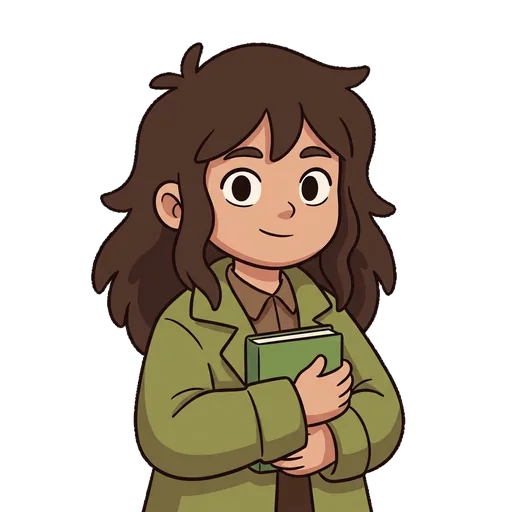 Inkling a child of the Green Names what she notices
-
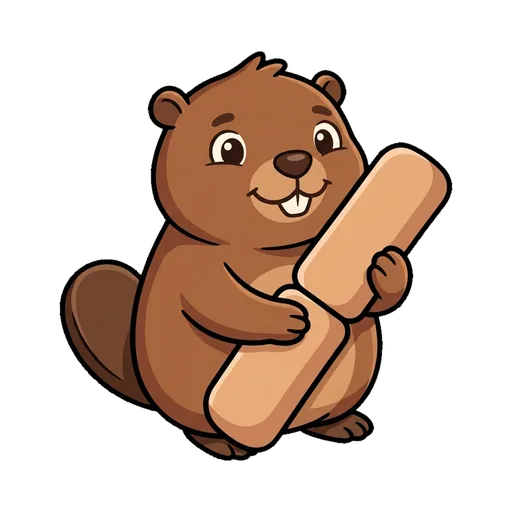 Bundle Name the whole first, then talk about its parts from BarPals
-
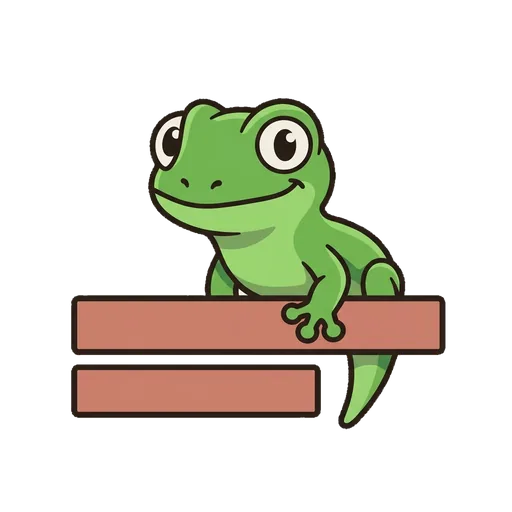 Jut The bit that sticks out is the difference from BarPals
-
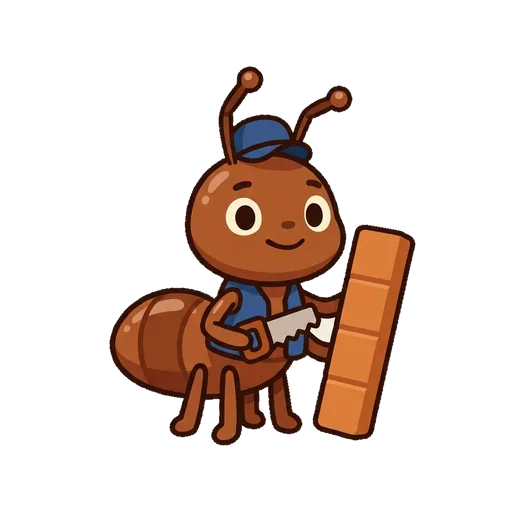 Sawyer Halves are two equal parts — every piece the same length from BarPals
-
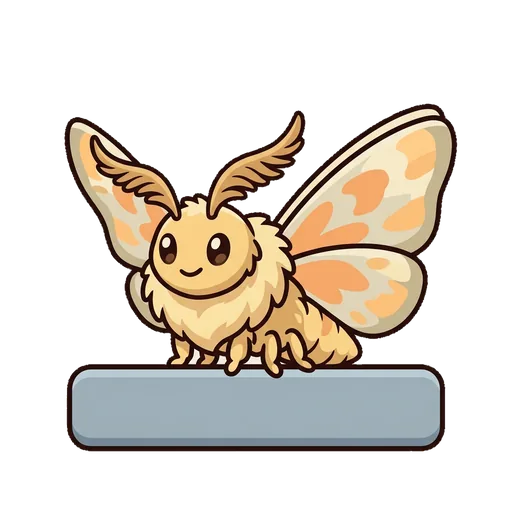 Q Sit on the part we don't know yet, and stay until we find it from BarPals
-
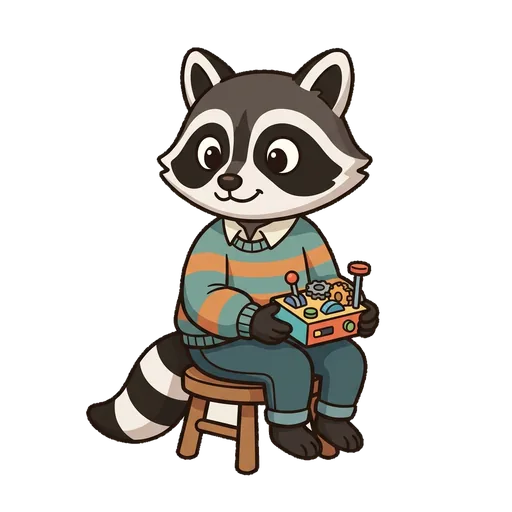 Fiddle You learn what a thing does by trying it — the playing is the learning from AweForge
-
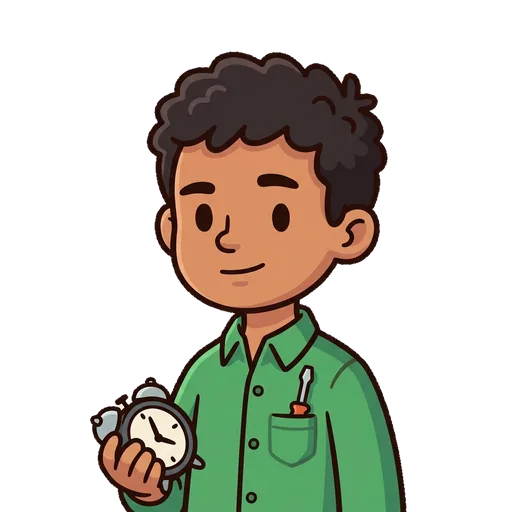 Beto a child of the Green Takes things apart
Every recurring character has a short tune, so you can tell who is on stage before a word is said. The tunes play only when you tap, and the Reading Access sound switch turns them off.
The Honest Page
Which parts of this story are true, stretched or made up?
True
- Halves are two equal parts of one whole. Seven and five make twelve, but they are not halves. Source
- Eight and six make fourteen, two more than twelve. Half of twelve is six.
- Some real bridges are built out from both banks at once and joined in the middle. Source
- From the real world: the crews who dug the Channel Tunnel started from England and from France and met in the middle, under the sea, in 1990. Source
Stretched
- Real bridge builders measure in metres, and they check where the two ends will meet long before they build. What we simplified: Counting planks and knots keeps the numbers small enough to hold in your hands.
Made up
- Halvingford, its two crews and the talking BarPals are made up.