The Arrow Letter
The idea: a language for folds — a dashed line says fold here, an arrow says which way.
Read it
One story, three ways: Sprout for a new reader, Grower in short chapters, Reader as a full chapter book. Same plot, same ending.
Who is in this book
-
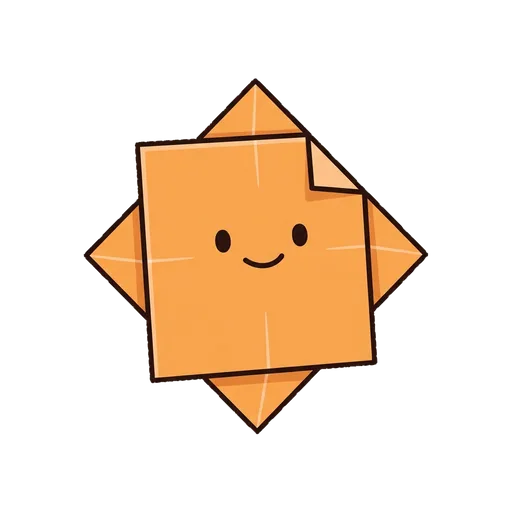 Kami Paper becomes a new shape with every fold, and it only cuts where it is told from CreaseTots
-
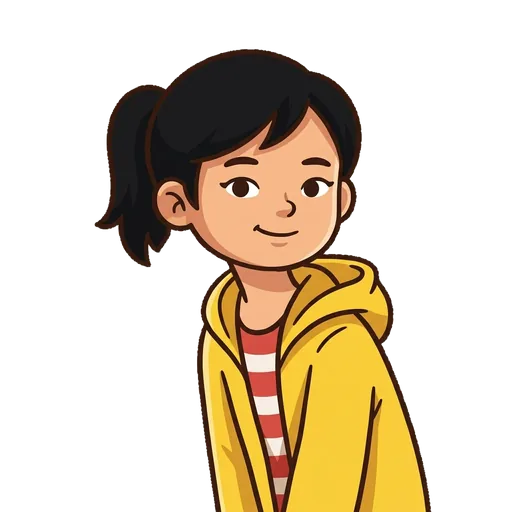 Lan a child of the Green Goes first; makes a friend in a minute
-
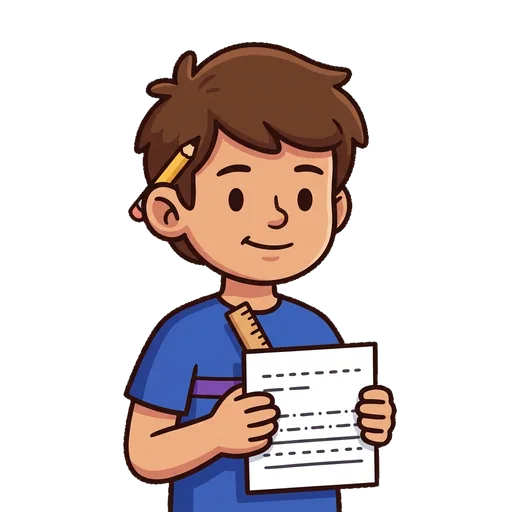 Mark The lines tell you what to do — dashes fold, solid lines cut from CreasePals
-
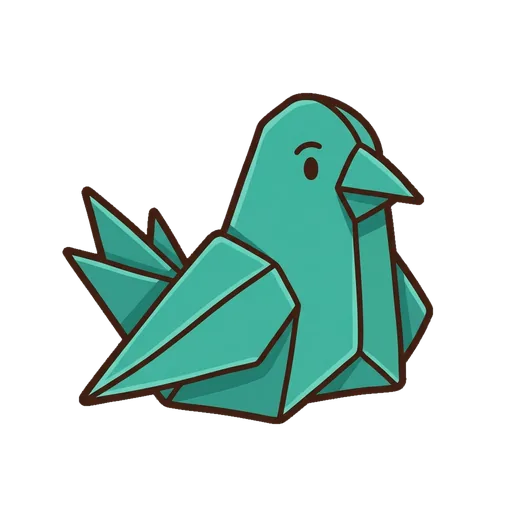 Cornelia Bring one corner to meet the other corner, exactly from CreaseTots
-
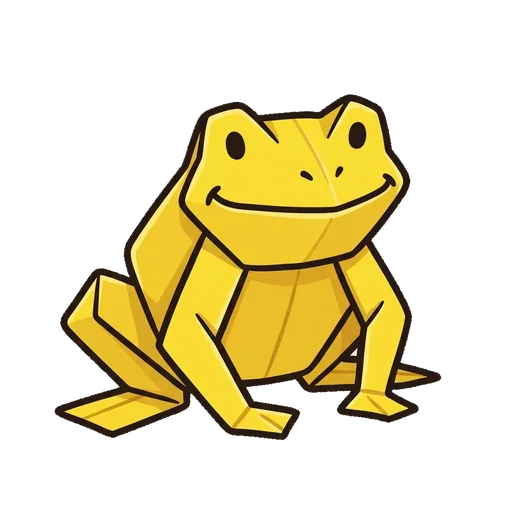 Crinkle Smooth a crooked fold out and try again; the crease remembers from CreaseTots
-
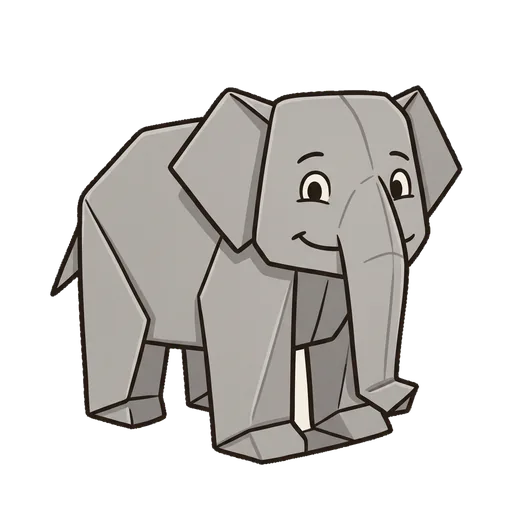 Presso Hold the paper still and press the fold flat so it stays from CreaseTots
-
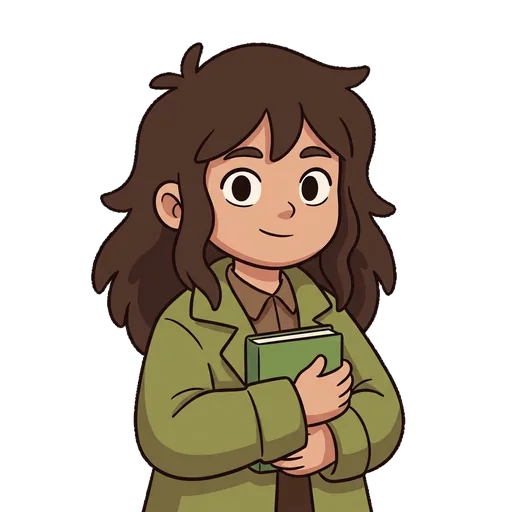 Inkling a child of the Green Names what she notices
Every recurring character has a short tune, so you can tell who is on stage before a word is said. The tunes play only when you tap, and the Reading Access sound switch turns them off.
The Honest Page
Which parts of this story are true, stretched or made up?
True
- In 1954 Akira Yoshizawa, a Japanese paper folder, published his first book, New Origami Art. In it he used a drawing language for folds. Source
- In that language a dashed line means fold the paper in front of itself, and a line of dashes and dots means fold it behind. Arrows show which way the paper moves. Source
- Yoshizawa did not invent every mark. The first book of folding, printed in 1797, already had drawings, but they were hard to follow. Later Samuel Randlett and Robert Harbin added a few marks, and folders all over the world now use the system. Source
- The paper puppy takes four folds. With a picture of the square before the first fold, that makes five pictures.
Stretched
- The man drawing in the next room in our story never says his name. What we simplified: We kept the real Akira Yoshizawa in the background so the children and the cast solve the problem themselves; we do not know which room he drew in, or that he lived next door to anyone called Hana.
- In our story his drying drawings show the dashed line and the arrow. What we simplified: We drew our own simple pictures, not his pages, and the brush he holds is a guess.
Made up
- Hana, her cousin Yuki, the little neighbour and the paper door are made up. Kami, Mark, Cornelia, Presso and Crinkle are our own characters.
Tell it back
Tell the story in your own words: who was there, what went wrong, and what they found out. Then a folded paper puppy and the five little pictures that taught it goes on your belt.
On your belt: a folded paper puppy and the five little pictures that taught it.
Your belt lives on this device. Nothing is sent anywhere.
Ring the hammer for someone
Pick this book for someone younger. The link carries only the book, and it will wait for them on the Green.