The Stretched Page · Reader · ages 9-14
Listen along
Loading audio…
Read by an AI-generated voice. The words on this page are the transcript.
1. The Kite on the Back Page
It had been a stormy week on the Green. The rain came sideways on Tuesday, and on Wednesday night the thunder was so loud that the Whetstone's windows hummed. By Friday the sky had cleared to a hard blue, and every child on the Green was flying a kite.
Danya was not. He was reading the back page.
This week there was a picture of a man in a three-cornered hat, standing in a field in a thunderstorm, holding a kite string. A great zigzag of lightning came down out of the clouds and hit the kite. Sparks flew from a key on the string. Underneath it said:
In 1752 Benjamin Franklin flew a kite in a thunderstorm. Lightning struck the kite, ran down the wet string and made the key at the bottom spark. And that is how Franklin discovered electricity.
And beside it, on the Honest Page, in neat black capitals: TRUE.
"How do we know?" said Danya.
"That's a pin," said Inkling.
She was standing beside him with a kite of her own, a paper diamond with a long tail of knotted ribbons. She was pointing at the picture.
"Says who? No, it isn't," said Danya.
"It's stuck because the lightning is holding it," said Inkling. "Like a pin. I can name it." Then she looked again. "Actually, I don't think it's a pin. I just like saying it."
"It's a lightning strike," said Danya. "Supposedly."
Inkling looked at the picture for a long time. Then she looked up at the sky, where twenty kites were bobbing over the Green.
"I noticed something," she said. "If lightning hit you, wouldn't it hurt?"
Danya opened his notebook. Inside the cover the list of words had grown, one under the other, a word for every story he had checked since the apple. FELL was at the top.
"That's what I want to know," he said.
2. Ordinary Blue
The note was in the box as usual. It was under a list of stall-holders for Saturday's market.
Franklin and the kite. Mark it True. Everyone has seen the picture.
No name. Pencil first, then inked over, every letter.
Inkling held it to the window. Then she held it next to the cutting of last week's correction, which Danya had pinned to the notice board.
"I noticed something," she said. "The ink is the same blue."
Danya looked. She was right. It was the same ordinary blue as the ink in the pen that hung on a string beside the box, for people to write their notes.
"Anyone could have used that pen," he said. "That's what it's there for."
"Anyone," said Inkling. "So that's not a clue."
"It's a little clue," said Danya. "It means it's somebody who comes into the shop."
"That's everybody," said Inkling.
The printer laughed from behind the press.
"Back table," she said. "The big book's at the kite. Somebody's been reading it a lot. The page is soft."
It was. The big leather book lay open at the same picture: the man in the hat, the lightning, the key. Somebody had turned this page so many times that its corner had gone soft and round, like cloth.
Danya bent over it.
3. Thunder in the Corridor
The hammer rang once. A spark jumped off the anvil and did not go out. It waited. They followed.
The spark came in under the door and landed on the key in the picture, and for a second the key in the picture seemed to glint. Then the spark went to the green curtain and waited.
The spark slid under the green curtain into the drying room, and the drying room went back much further than the shop did.
Inkling went first. She always did, and then wished she hadn't. This time she wished it very quickly, because the corridor was dark, and somewhere far down it there was a long low roll of thunder.
"What exactly does it say?" said a voice beside her, and Inkling jumped.
Claim was sitting on her stool under a lamp, red pencil in her paw, pot of glue at her feet. She did not seem worried about the thunder.
"It's only the corridor," she said. "It does sound effects. What exactly does your paper say?"
4. Inkling's Plan
Before Danya could read it out, Inkling had made up her mind.
"I can check this myself," she said. "There's thunder every night this week. I'll take my kite out in the next storm, with a key on the string, and see if the lightning hits it."
"No," said Danya, at once.
"Why not? Beto checked the stones. Lan checked the spoon. It's my turn to check something."
"Who was there?"
An old bear with round glasses and a long blue scarf had come out of the dark, very slowly, with a lamp in one paw.
"Weigh," said Danya. "She wants to fly a kite in a storm."
"Who was there," said Weigh, "the year after Franklin?"
Inkling looked at him. "I don't know."
"Who was there? A man called Georg Richmann," said Weigh. "In Russia. He set up a rod to draw electricity from a storm, the way Franklin had written about. Lightning found it. He was killed."
The corridor was very quiet. Even the thunder had stopped.
"Weigh it," said Weigh, more gently. "Some claims you can check with a pebble, or a spoon in a bowl. This is not one of them. A test that can hurt you is not a test. You check this one in the record. Never with your body."
Inkling looked at her kite. Her hands were shaking a little.
"I didn't know," she said.
"Now you do," said Weigh. "That's the whole point of the corridor. Somebody else already found out, and wrote it down, so that you don't have to."
"Never fly a kite near a storm," said Danya. "Or near power lines. My dad says that every spring."
"Your dad's right," said Weigh. "Write it down."
Danya wrote it on the first line of a clean page, in ink, straight away, with no pencil first.
5. Struck
"Now," said Claim. "What exactly does it say?"
Danya read it out. Claim counted on her claws.
"Say the claim in one sentence," she said.
"I noticed it's four things," said Inkling, who was still holding her kite very tightly. "The kite. The lightning. The key. And discovering electricity."
"Good," said Claim. "Underline the exact words."
Danya wrote them out.
1. In 1752 Franklin flew a kite in a thunderstorm.
2. Lightning struck the kite.
3. The key on the string gave sparks.
4. That is how he discovered electricity.
"What exactly does the picture claim? Which one does it lean on?" said Claim.
"The lightning," said Danya. "The big zigzag. Every picture has the zigzag."
"Fell, or hit? Struck, or something else? Those are different claims," said Claim. "Underline struck twice."
Danya did.
"If it struck him he'd be dead," said Inkling quietly. "Like the man in Russia."
"Say the claim in one sentence, then: struck. That's the claim to check," said Claim. "Go and find Trace. He'll be near the back. He always is."
6. Franklin's Own Letter
They walked a long way, past paintings and cartoons and a stamp with Franklin's face on it. There was a famous painting from about two hundred years ago, of Franklin with lightning crackling all round his outstretched hand, and little children flying round him with wings. Inkling stopped in front of it.
"That's not true," she said. "Those are angels."
"Pictures always add things," said Danya. "Lan worked that out."
Near the back, at a door with a card that said 19 October 1752, Trace was waiting.
"Where did they get it from?" he said. "Here. This is Franklin's own writing. A letter, printed in his newspaper in Philadelphia."
On the stand was an old newspaper page. The card beside it gave the words in plain English. Franklin described how to make a kite from a silk handkerchief and two crossed sticks. How to fix a sharp wire to the top. How to tie a key at the bottom of the string, and a silk ribbon below the key, for your hand. How, when a thunder cloud came over, the loose threads of the string would stand out, and a knuckle held near the key would draw a spark.
"That's it," said Danya. "That's the experiment. In his own words."
"Check the date," said Trace. "And read it again. Does he say he did it?"
Danya read it again. Then a third time.
"He says how to do it," he said slowly. "He says what happens. He never says, 'I did this.'"
"Who wrote it down first?" said Trace. "That's the strange thing. Franklin wrote it down first. But not as a story about himself."
Inkling was reading the part about the kite itself.
"A silk handkerchief," she said. "Not paper. Why silk?"
"Who wrote it down first? He did. Read the next line," said Trace.
Danya read it. Franklin said silk was better because it could bear the wet and the wind of a thunder gust without tearing.
"I noticed something," said Inkling. "Mine is paper. Mine would tear."
"Yours would tear," said Danya. "And you'd be standing in a storm holding a wet string. Both of those are bad."
Inkling looked at her paper diamond. She smoothed one of its ribbons flat.
"I'm not going to," she said. "I promise. I just wanted to know why."
"Why is a good thing to want to know," said Trace. "Franklin wanted to know why too. Look how carefully he wrote it out, so that other people could try. That's what you do when you think you're right but you want somebody else to check."
"So he wanted people to check him," said Danya.
"Every good scientist does," said Trace. "Keep going back, and you find that out about nearly all of them."
Danya read the letter one more time. It was short, and clear, and very careful. It sounded like a man explaining a recipe.
"Then where does the story of him doing it come from?"
Trace pointed to a door further back. No, not further back. He pointed forward, to a door they had passed, with the card 1767.
"Keep going back is the rule," he said. "But sometimes the story comes after the source. Fifteen years after."
7. Fifteen Years and a Son
The 1767 door held a big book: The History and Present State of Electricity, by Joseph Priestley.
"Where did they get it from? Priestley was a scientist," said Trace. "He knew Franklin. Franklin told him the details."
The card said what Priestley wrote. That in June 1752 Franklin went out to a field in a storm, with his son William to help him. That they made a kite. That at first nothing happened. That then the loose threads of the string stood up. And that when Franklin put his knuckle near the key, he got a spark.
"There's no lightning strike," said Inkling. "Not even here. Just threads standing up, and a spark."
"Who was there?" said Weigh. He had come along the corridor with his lamp.
"Franklin," said Danya. "And his son, William."
"How long after did they say it?"
1767 take away 1752. "Fifteen years," said Danya. "And the person who wrote it down wasn't there. Franklin told him."
"How old was Franklin?"
Trace had it ready. "Born 1706."
1752 take away 1706. "Forty-six," said Danya.
"Weigh the man. A man of forty-six," said Weigh, "telling a friend, fifteen years later, about a day with his son. Weigh it. Don't count it. It isn't bad. It isn't two hundred years. But it's one telling, from the man himself, long after."
"And the lightning?" said Inkling.
"A good witness can still be a long way off, but on this he is clear: the lightning never touched the kite," said Weigh. "If it had, he would probably have died. The storm clouds were full of electric charge. Some of it crept down the wet string. Enough to lift the threads. Enough for a small spark at the key. Small, and still dangerous."
"So the picture's wrong," said Inkling.
"Weigh it, don't count it: the picture is stretched," said Weigh. "A small spark from a key does not make a good picture. A great zigzag does."
8. The Month Before
"Keep going back, but there's a side door," said Trace. "Check the date. You'll want this one."
The card said May 1752.
"May," said Danya. "That's before June."
Inside was a French book and a drawing of a tall iron rod standing in a garden, with a man holding a wire near it.
"Thomas-François Dalibard," said Trace. "In France. He read Franklin's earlier letters about lightning, and he set up a tall iron rod to catch electricity from a storm. In May 1752. He got sparks."
"A month before Franklin's kite," said Danya.
"Check the date: before the kite, if the kite was in June," said Trace. "Keep going back, and keep going sideways too. It was Franklin's idea. But other people were testing it too."
"And Richmann was the year after," said Inkling. "The one who died."
1753 take away 1752. "One year," said Danya.
Inkling was quiet for a moment.
Danya looked at the drawing of the iron rod in the garden.
"So Franklin wasn't the first to get sparks from a storm," he said.
"Check the date," said Trace. "If the kite was in June, then no. Dalibard was first, using Franklin's own idea. Franklin had written that a tall rod might do it. Dalibard built the rod."
"Did Franklin mind?"
"Who was there? We don't have a witness to his face when he heard," said Weigh. "Weigh it. But he wrote about the French experiments later, and he sounded pleased. It meant his idea was right."
Inkling was looking at the rod in the drawing too. Then she looked back towards the 1753 door, the one with no picture on the card.
"So lots of people were trying it," she said. "Some of them got hurt."
"How long after did they say it? Soon, and that's why we write things down," said Weigh. "So the next person doesn't have to try."
9. Already Known
Danya sat on a bench outside the 1767 room and looked at his four claims.
1. In 1752 Franklin flew a kite in a thunderstorm.
Priestley said so, fifteen years later, from Franklin. Franklin's own letter described how, but didn't say he did it. Probably he did. Nobody knows exactly.
2. Lightning struck the kite.
No. Charge from the clouds. Stretched, a long way.
3. The key on the string gave sparks.
Yes. Both Franklin and Priestley say so.
4. That is how he discovered electricity.
"Claim," he said, "did Franklin discover electricity?"
"What exactly does that mean?" said Claim, who had come to sit with them. "Discover what?"
"Electricity. That it exists."
"Did people know about electricity before 1752?" said Weigh.
Trace answered. "Yes. People were already rubbing glass and making sparks. They had special jars to store charge. Franklin had been doing electrical experiments for years."
"Special jars?" said Inkling.
"Keep going back and you find them: glass jars lined with metal foil," said Trace. "Check the date: people had been using them for a few years before the kite. You could fill one with charge from rubbed glass and get a spark out of it later. Franklin had some. In his letter he says the key could fill one of those jars from the storm."
"So he caught some of the storm in a jar," said Inkling.
"Where did they get it from? From the clouds, a little bit of it," said Trace. "And when he tried the charge from the storm against the charge from rubbed glass, it behaved the same way. Same sparks. Same everything."
"I noticed something. Wait, I can name it," said Inkling slowly. "It's like the stones. Beto's stones. It's checking that two things are the same."
"Weigh it. Yes," said Weigh. "Only this time the checking had to be done very carefully, by grown-ups, a long time ago. And now it's in the record, where you can check it safely."
"So what did the kite show?" said Danya.
"That lightning is electricity," said Trace. "The same stuff as the sparks from rubbed glass. That was the new part."
"Then number four is stretched too," said Danya. "He didn't discover electricity. He showed lightning was made of it."
"Underline the exact words," said Claim, satisfied.
Inkling had been holding her kite on her knees all this time.
"Were they lying?" she said. "The people who drew the lightning?"
"Did they think it was true?" said Weigh.
"Probably."
"Then they weren't lying. People like a better story. A great zigzag is a better story than a few threads standing up."
"Stretching is honest," said Trace, "when you say that you did it."
10. The Line, Fixed
Danya wrote the correction.
From the Real World — a correction.
Franklin flew a kite in a storm in June 1752, with his son William. NOBODY KNOWS EXACTLY. Franklin's own letter of October 1752 tells how to do it but not that he did. The story of him doing it comes from Joseph Priestley, fifteen years later, who heard it from Franklin.
Lightning struck the kite. STRETCHED. It did not. A strike would probably have killed him. Electric charge from the storm clouds lifted the string's threads and made the key spark.
The kite showed that lightning is electricity. TRUE.
That is how he discovered electricity. STRETCHED. People already knew about electricity. The kite showed that lightning is made of it.
And then, at the bottom, in capitals, in ink, with no pencil first:
NEVER FLY A KITE NEAR A STORM OR POWER LINES. In 1753 a scientist was killed trying an experiment like this.
He showed it to Claim. She underlined nobody knows exactly and did not.
He showed it to Trace. Trace checked the dates, all four, and said, "That's right. And you went forward to find the story, not back. That was clever."
He showed it to Weigh.
"Weighed," said the old bear. "Not counted. And you put the warning in. That counts most."
Inkling read it last.
"Can I put my kite in?" she said.
"It isn't in the story."
"I mean in the Back on the Green part," said Inkling. "On a sunny day."
"That's not my part," said Danya. "That's yours."
He wrote another word inside the cover, under the others: KITE. Then he looked at the slip from the box again, the one in pencil, inked over. And then, for the first time, at the cover of his own notebook, where every word was in pencil, gone over in ink.
He looked at it for a long moment. Lots of people did that. It didn't mean anything.
He closed the notebook.
The spark slid back under the curtain, and the drying room was just a cupboard again.
The big book was open at the picture with the zigzag. Inkling looked at it, and then took a pencil from the table and, very small, in the margin, wrote: stretched.
"You can't write in the big book," said Danya.
"It's in pencil," said Inkling. "Pencil means I'm not sure yet. Right?"
The printer read the correction twice and put a box round the warning.
"That goes in big," she said. "On the front, not the back."
The spark dimmed to a warm dot and settled back on the anvil. The Green was just the Green again.
Back on the Green
The sky over the Green was clear and bright, with a steady breeze, and not a cloud anywhere. Inkling flew her paper diamond from the top of the little hill, with its knotted tail streaming out behind.
"This is the safe kind," she told Tí, who was holding the bottom of the string with both hands. "A sunny day. Nowhere near the wires."
"Again!" said Tí, every time the kite dipped and rose.
Danya lay in the grass and watched it.
"Franklin's kite was made of a silk handkerchief," he said. "So it wouldn't tear in the rain."
"Mine is made of paper," said Inkling. "So it can only go up on nice days."
"That's a good rule," said Danya.
"It's the best rule," said Inkling. "I noticed it myself."
Beto came up the hill with his own kite under his arm, a box kite he had built out of garden canes and an old shirt.
"How does it work?" he said, looking at Inkling's diamond. "Why does the tail matter?"
"It keeps it pointing the right way," said Inkling. "I think. I'm not sure yet. That's a pencil thing."
"I could take it apart," said Beto, "and find out."
"You could take your own apart," said Inkling. "Mine stays together."
Lan was sitting on the grass with a daisy chain and listening.
"Did the lightning really hit it?" she said. "Franklin's kite? I heard it did."
"No," said Inkling and Danya together.
Danya let Inkling tell it. She told it well. She told about the silk, and the wet string, and the threads standing up like the hair on your arm, and the spark from the key, small and blue. She left out the zigzag. She put in the man in Russia, quietly, at the end.
"So never in a storm," said Lan.
"Never in a storm," said Inkling. "Only on days like this."
The kite went up and up, a small bright diamond, with the whole blue sky behind it and nothing in it but wind.
Saved. The next chapter will be here whenever you come back.
Who you met
-
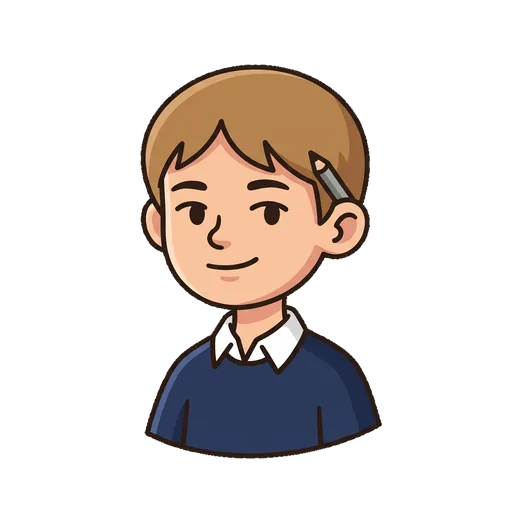 Danya a child of the Green Asks "how do we know?"
-
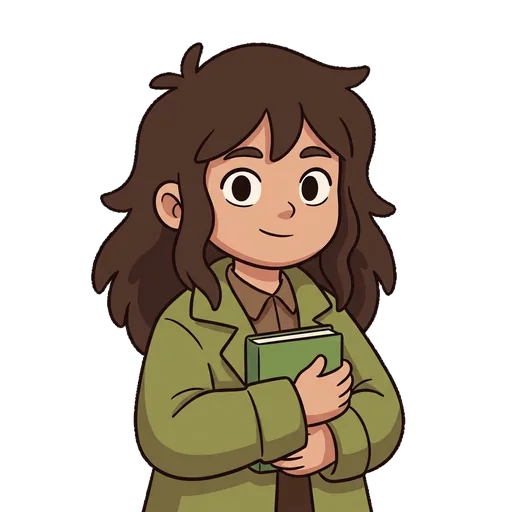 Inkling a child of the Green Names what she notices
-
 Claim Before you check a story, say exactly what it claims from TruthQuest
-
 Weigh Ask who was in a position to know, and when they said it from TruthQuest
-
 Trace Follow a story back to where it started; copies are not sources from TruthQuest
-
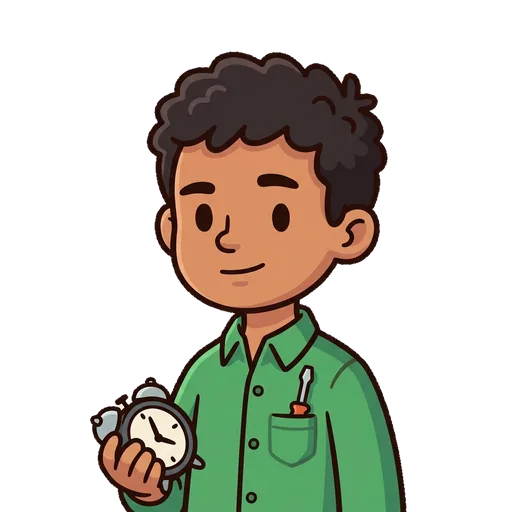 Beto a child of the Green Takes things apart
-
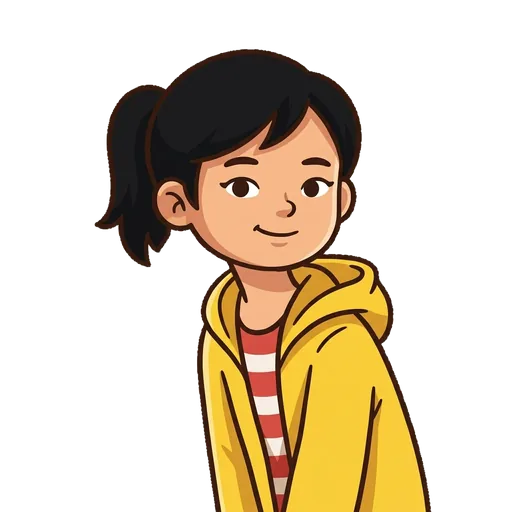 Lan a child of the Green Goes first; makes a friend in a minute
- Tara a child of the Green Listens longest, speaks last
Every recurring character has a short tune, so you can tell who is on stage before a word is said. The tunes play only when you tap, and the Reading Access sound switch turns them off.
The Honest Page
Which parts are true, stretched or made up — and what does nobody know?
True
- Benjamin Franklin described the kite experiment in the Pennsylvania Gazette on 19 October 1752. He did not say there that he had done it himself. Source
- In 1767 Joseph Priestley, who had the details from Franklin, wrote that Franklin did it in June 1752 with his son William, a hemp string, a silk cord and a metal key. Source
- The kite was not struck by lightning, which would probably have killed him. Charge gathered from the storm clouds; the string's loose threads stood apart, and the key gave sparks. Source
- In May 1752 Thomas-François Dalibard drew electricity from a storm in France. In 1753 Georg Wilhelm Richmann was killed trying a similar experiment. Source
- Franklin was born in 1706, so he was forty-six in 1752. Priestley's account came fifteen years later.
Stretched
- Lightning struck Franklin's kite. What we simplified: The pictures show a strike because it is dramatic. The real experiment drew a small charge from the clouds.
- Franklin discovered electricity. What we simplified: People already studied electricity. The kite helped show that lightning is electricity.
Made up
- The drying room, the corridor of doors, Claim, Trace and Weigh as people in it, the Friday Paper and the notes in the box are made up. Franklin, William, Priestley, Dalibard, Richmann and their dates are real.
Nobody knows
- Exactly what happened that day in June 1752. Franklin's own letter does not say he did it; the full story comes from Priestley fifteen years later. Source