Nine Out of Ten
The idea: a number is only as good as who was asked; a fair sample gives everyone the same chance.
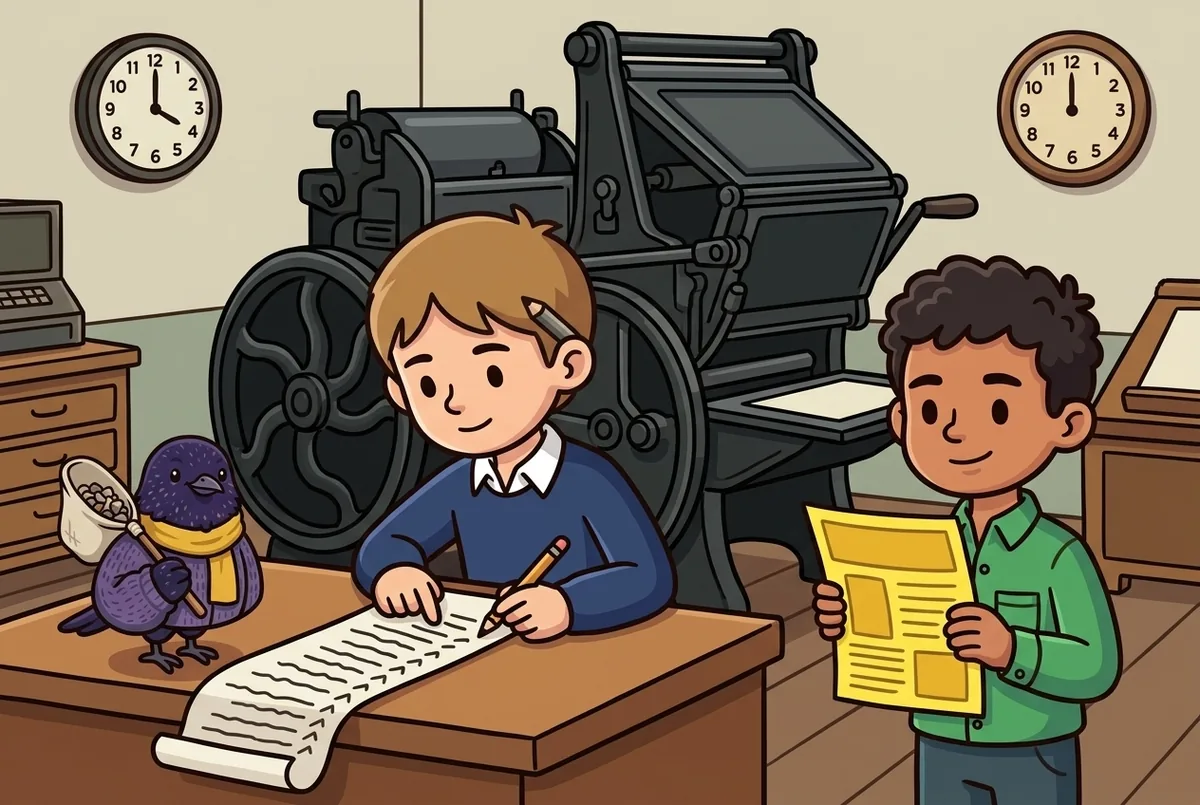
Read it
Who is in this book
-
 Bandwagon Bran Truth by popularity (the friendly, flawed source) from LogicQuest
-
 Beto a child of the Green Takes things apart
-
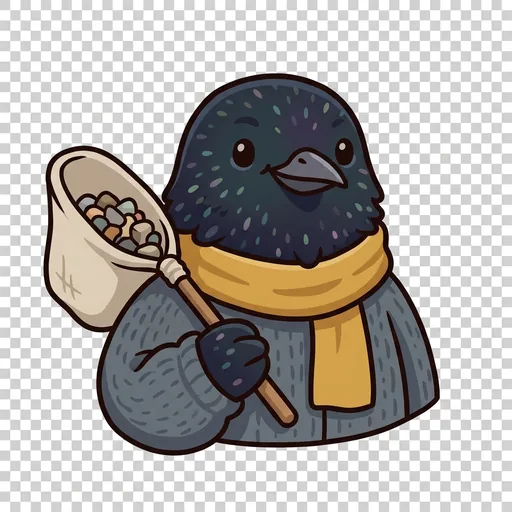 Cull A sample tells you about everyone only if everyone had the same chance to be in it from DataForge
-
 Danya a child of the Green Asks "how do we know?"
-
 Source Who would actually know this, and how many people really said it first? from NewsForge
Every recurring character has a short tune, so you can tell who is on stage before a word is said. The tunes play only when you tap, and the Reading Access sound switch turns them off.
The Honest Page
Which parts of this story are true, stretched or made up?
True
- Nine out of ten is 90 per cent; eighteen out of thirty is 60 per cent; every tenth name on a list of 300 gives 30 names.
- A sample where people pick themselves, or where only friends are asked, can give a very wrong answer about everyone. Pollsters call this selection bias. Source
- Picking every tenth name from a full list is a real method, called systematic sampling. Source
Stretched
- Asking thirty pupils tells you exactly what the whole school thinks. What we simplified: A fair sample of thirty gives a good guess, not an exact answer; a different thirty might say 16 or 20.
Made up
- Brightfield School's lunch menu and the survey are made up. Source comes from NewsForge, Cull from DataForge, and Bandwagon Bran from LogicQuest.
Tell it back
Tell the story in your own words: who was there, what went wrong, and what they found out. Then the survey sheet with thirty names, pinned to the newsroom wall goes on your belt.
On your belt: the survey sheet with thirty names, pinned to the newsroom wall.
Your belt lives on this device. Nothing is sent anywhere.
Ring the hammer for someone
Pick this book for someone younger. The link carries only the book, and it will wait for them on the Green.