The Game Nobody Could Finish
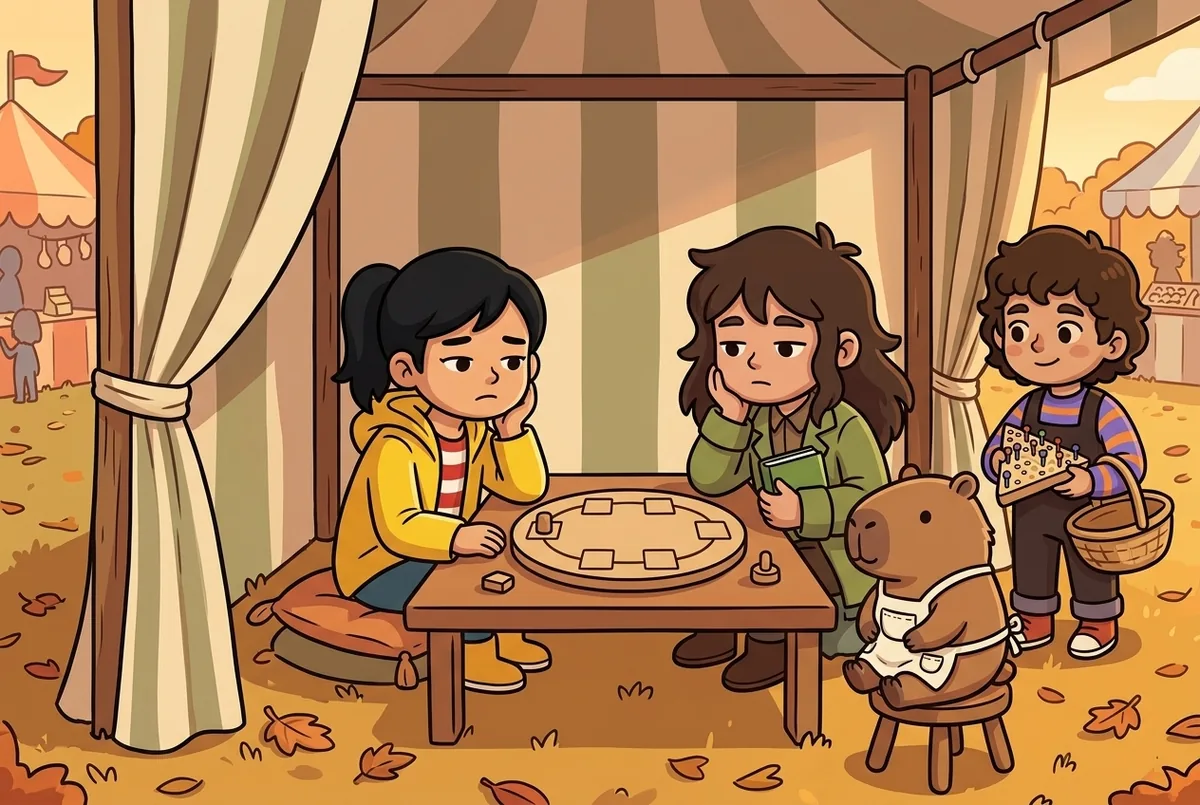
The idea: a game needs a way to end.
Read it
One story, three ways: Sprout for a new reader, Grower in short chapters, Reader as a full chapter book. Same plot, same ending.
Who is in this book
-
 Trial Watch what players do, not what they say from TableForge
-
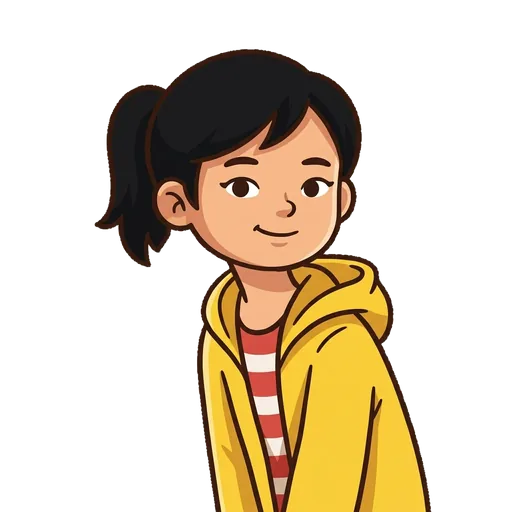 Lan a child of the Green Goes first; makes a friend in a minute
-
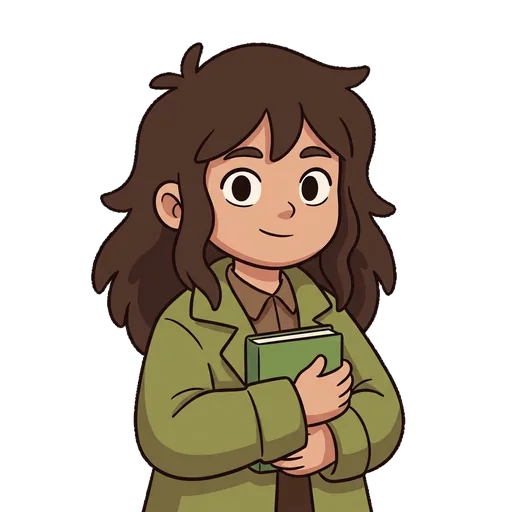 Inkling a child of the Green Names what she notices
-
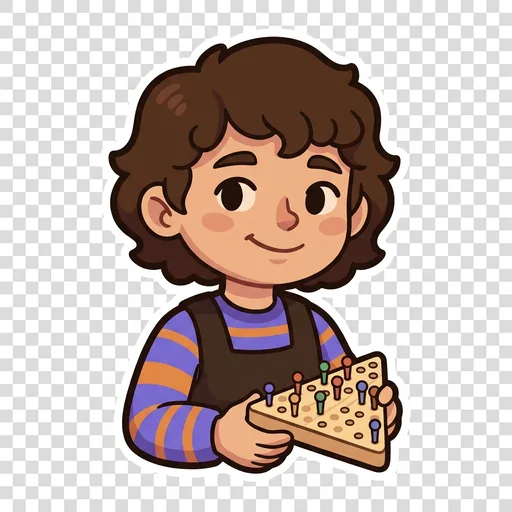 Vault If every move takes something away, the game has to end from PuzzleForge
Every recurring character has a short tune, so you can tell who is on stage before a word is said. The tunes play only when you tap, and the Reading Access sound switch turns them off.
The Honest Page
Which parts of this story are true, stretched or made up?
True
- In the triangle peg game every jump takes one peg off the board, so fourteen pegs can make at most thirteen jumps. The game always ends.
- A peg solitaire board shaped like a triangle with fifteen holes is a real, old puzzle. You start with one hole empty. Source
Stretched
- Calling the game when the bell rings does not end it. It only stops it. What we simplified: Plenty of real games do end on a clock, and that works when the players agree to it before they start. The point is that the ending should be part of the game, not a surprise.
Made up
- The wishing booth, the loop game, the acorn basket and the fair's stall-keepers are made up.
Tell it back
Tell the story in your own words: who was there, what went wrong, and what they found out. Then a polished acorn from the empty basket, the third piece in Lan's pocket goes on your belt.
On your belt: a polished acorn from the empty basket, the third piece in Lan's pocket.
Your belt lives on this device. Nothing is sent anywhere.
Ring the hammer for someone
Pick this book for someone younger. The link carries only the book, and it will wait for them on the Green.