How are you feeling?
How the lab works
- 🔮 Predict first. Pick which rule you think wins more deals — before you look.
- 👯 A fair test. Every deal is played BOTH ways, so the only difference is the rule.
- 🔍 A solver that never lies. Each deal is proven won, proven lost, or marked not sure yet when the search runs out of time.
- 📏 How sure are we? You get an “at least … at most …” range and a 95% interval — more deals make it narrower.
Cast, stories & more
😄 Brain break
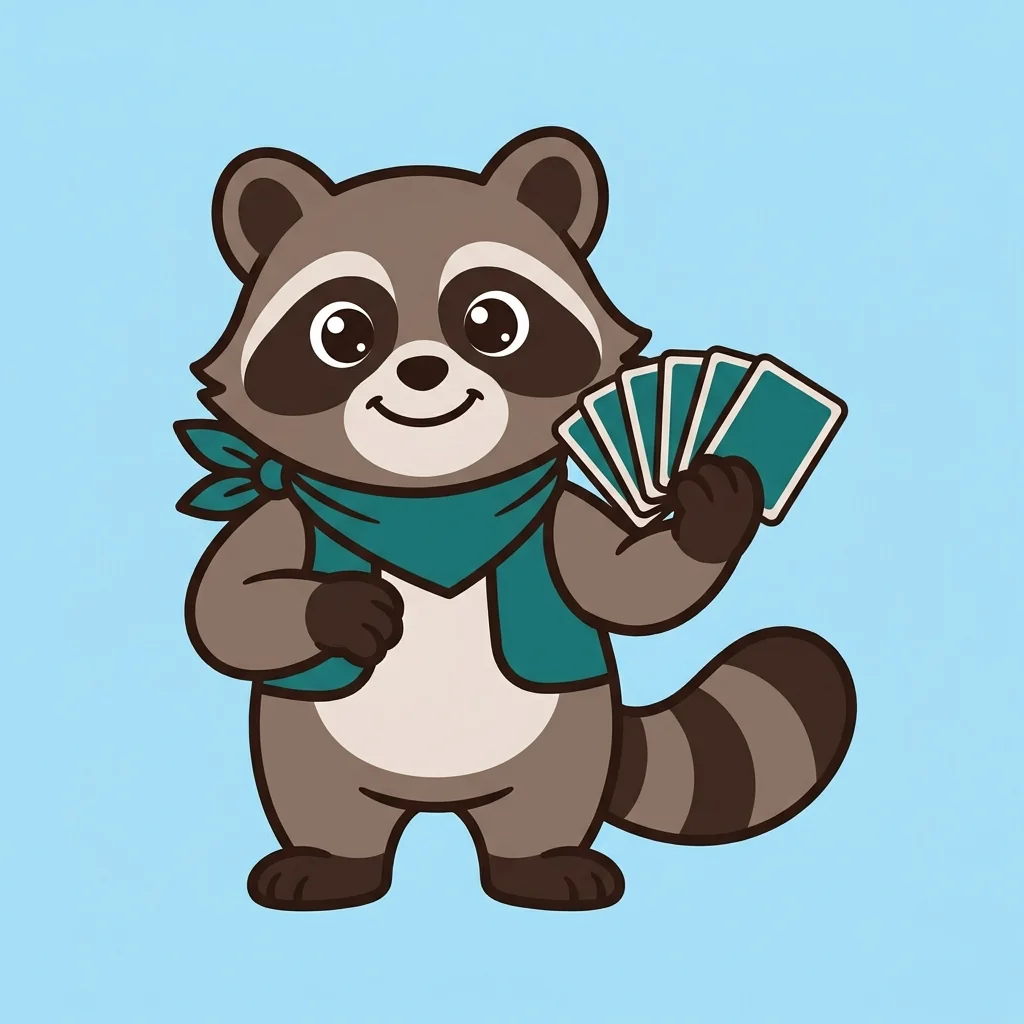
Meet the cast — the characters who teach this
-
 Dealia asks what you predicted BEFORE you look at the data
-
 Twinnie Deals every hand twice
-
 Hedgeworth Never says more than the data can
-
 Maybelle Knows an unknown is a maybe, not a no - the search ran out of time
-
 Bigsby Knows more deals make the answer sharper - the interval gets narrower
-
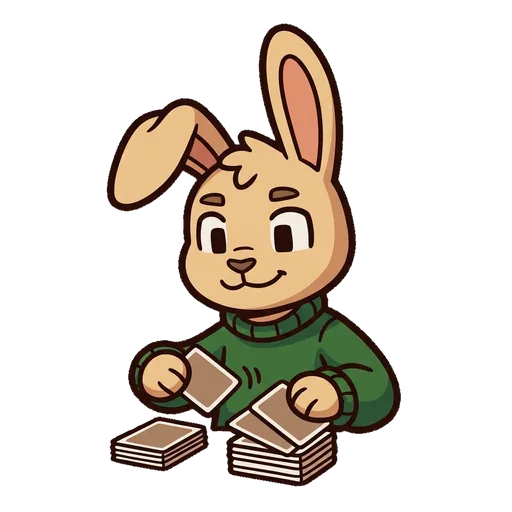 Lopsy Counts the deals where only ONE rule won - those odd pairs are the whole story
-
 Lanternby Knows the measuring tool is part of the result - a bigger search proves more wins of the SAME deals
-
 Glassby Knows FreeCell hides nothing, so a 'lost' there is a proof about the deal itself
-
 Tiebelle Calls it a tie when the two ranges overlap
-
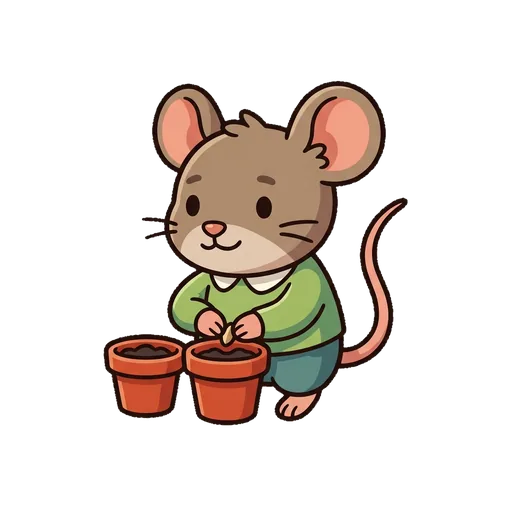 Seedwick Knows the same run seed rebuilds the same deals, so anyone can re-check your test
-
 Tabitha Keeps one row per deal in the CSV so you can draw the chart yourself
-
 Addison Knows a rule that only ADDS moves can never truly win less - reason before you run
Ensemble stories — the cast together
What next? Pick a door
- More like this CrowdForge Which lever makes the park fairer? SextantForge Where are we, by the stars? CreaseForge Where does the fold send this point?
- A bit harder VectorForge Where will this matrix send the point? OddsForge How surprising is this streak, really? PrimeDojo Why is un-multiplying so hard?
- Something different TypeForge Why does this font look bigger? CharacterForge How do you show it, not tell it? ScriptQuest What will this tiny program do?
Where this game comes from· McNemar, 1947
Patience (solitaire)
The oldest description we know of is in a German book of card games from 1788. Patience was popular across Europe by the 1800s, and the first English book of patience games was Lady Adelaide Cadogan’s, around 1870.
One thing to hold: In 1990 Windows 3.0 came with a Solitaire game written by Wes Cherry, a student working there for the summer. It was often said to have taught a generation to drag with a mouse.
Why it matters: Most patience games are about planning several moves ahead with cards you can only partly see.
What we don’t know: Nobody knows who invented patience, or where. The story that Napoleon played it in exile is a legend.
The paired test (McNemar, 1947)
In 1947 the psychologist Quinn McNemar showed how to compare two percentages measured on the same people, or the same things, twice. Only the cases where the two answers differ tell you anything.
One thing to hold: The lab plays every deal under both rules. A deal both rules win, or both lose, says nothing about which rule is better; the test counts only the deals where they split.
Why it matters: Comparing the same deals both ways cancels out lucky and unlucky deals, so a smaller experiment can show a real difference.