Lens
PERSPECTIVE-TAKING — the practice of *asking and listening*, never *mind-reading.* The first ally-move: you cannot BE someone else; you can ASK what their experience is like.
Loading audio…
Press play to listen along. The line being read lights up as you go.
Show full transcript
Loading transcript…
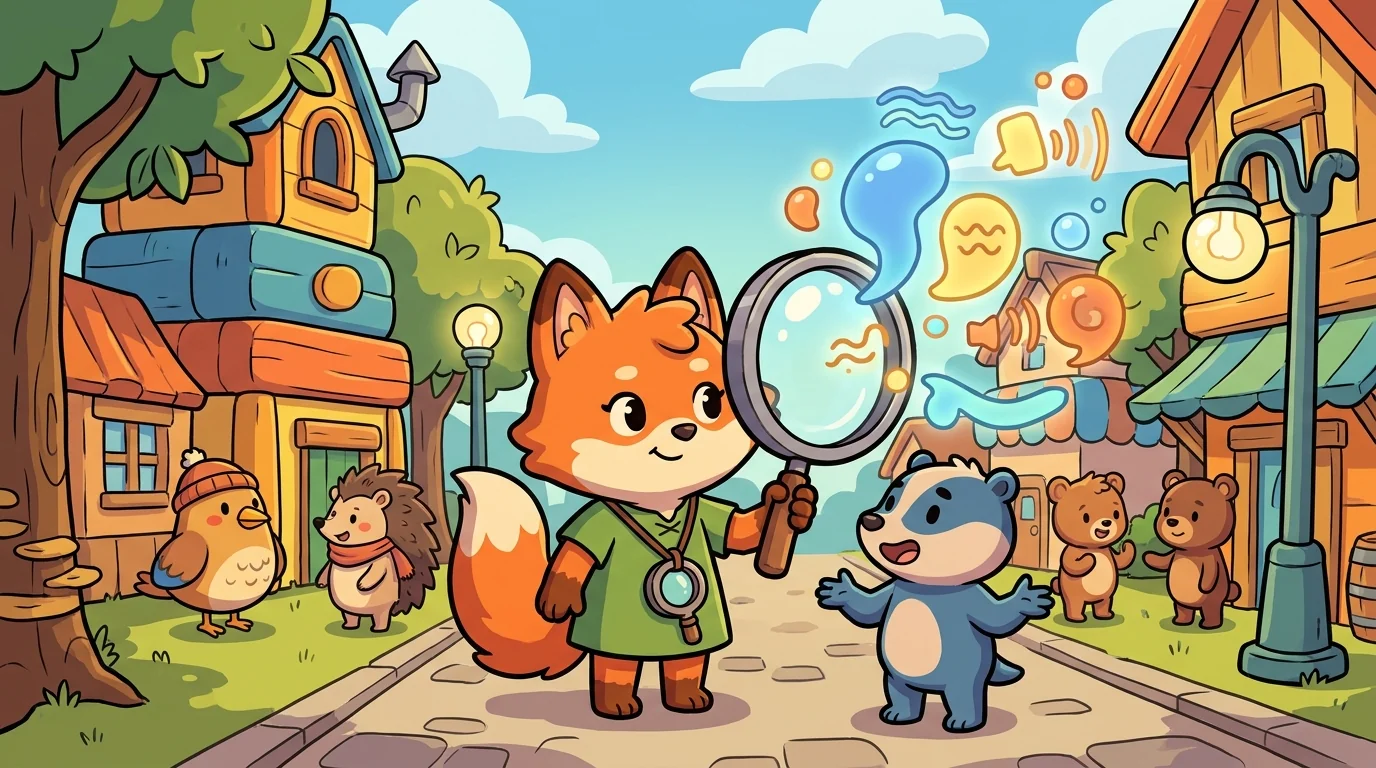
Lens is an animal-tween who carries a small magnifying-glass on a leather thong around her neck. But it's an unusual magnifying-glass — it doesn't make people look bigger. It makes words bigger. When Lens looks through it, the things people say grow large and easy to pay attention to.
The lens can't show her how someone feels inside. It can't tell her what another person's life is like. It's only good for one thing: helping her really hear the answer once she's asked. Because asking is the real work. "I can't BE you," Lens likes to say, holding up the glass. "But I can ASK what it's like." That's her whole practice — perspective-taking. She never guesses what someone else feels, never assumes they feel just like her. She asks, and then she makes room for the other person to tell their own story.
Lens grew up in a small village, in a family of map-makers, and by the time she was six she'd learned a big secret about maps: a map shows a place, but it isn't the place. A map of a forest is not the forest. It can help you find your way through the woods — but it can't tell you how it feels to stand under the wet trees in the rain. Only standing there yourself can do that.
Her grandmother said it best. "Maps are tools," she'd say, rolling one up. "They are not experiences. To know what something is like, you have to ask the person who has lived it. The map can help you find the village. But only the person can tell you what living there is like." Lens took that to heart and practiced it every day, until by twelve she never simply guessed at anyone's experience — and she'd become wonderfully good at asking in a way that made it easy for someone to answer.
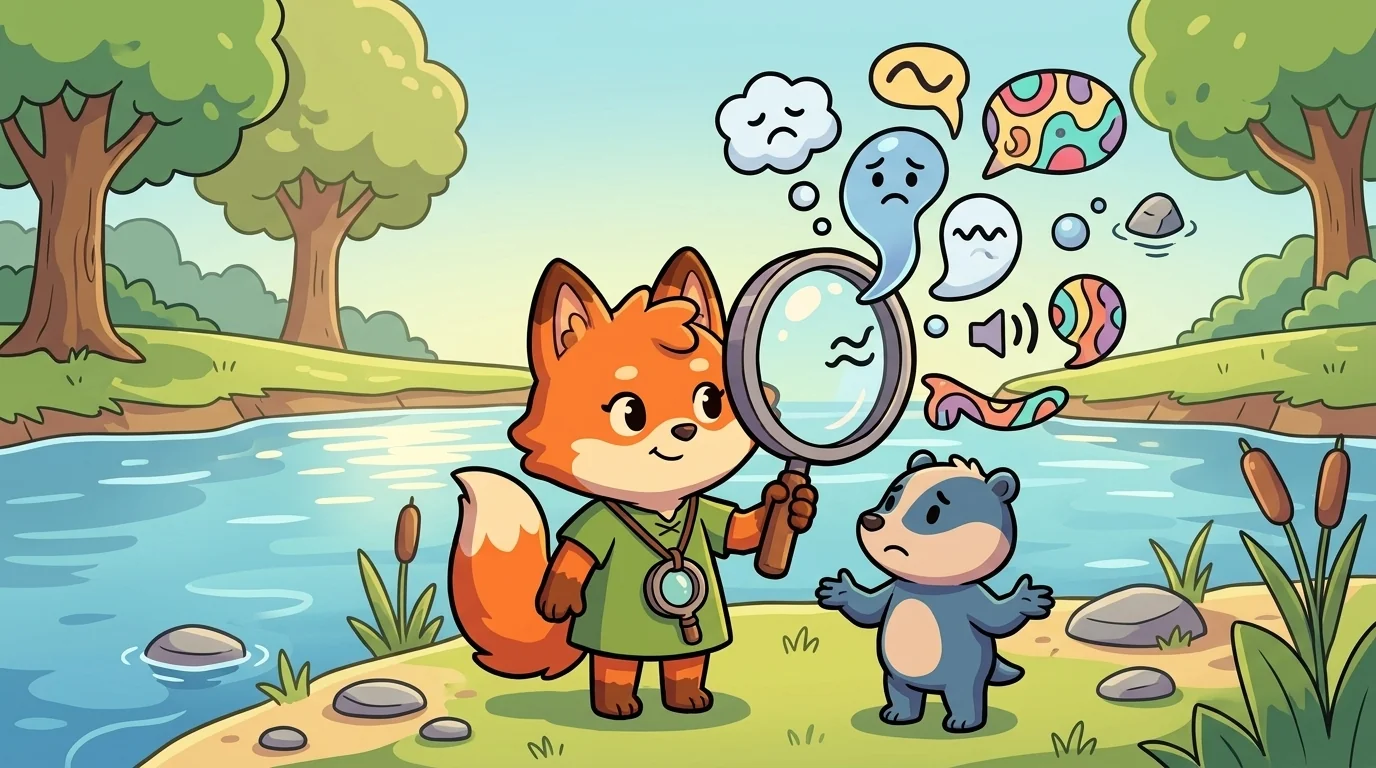
One sunny afternoon she was by the river when her friend Pip, skipping stones, went quiet and sad. "What's up, Pip?" she asked. Pip shrugged. "My favorite skipping stone sank." Lens didn't say oh, I know how you feel, and she didn't say that's silly, just find another. She remembered her grandmother. "What does that feel like for you?" she asked softly. Pip stopped and looked at the water. "It feels like... a little bit of my day just disappeared. Like a bit of magic went away." Lens nodded. It hadn't been about a stone at all. It had been about a feeling — and only Pip could have told her that.
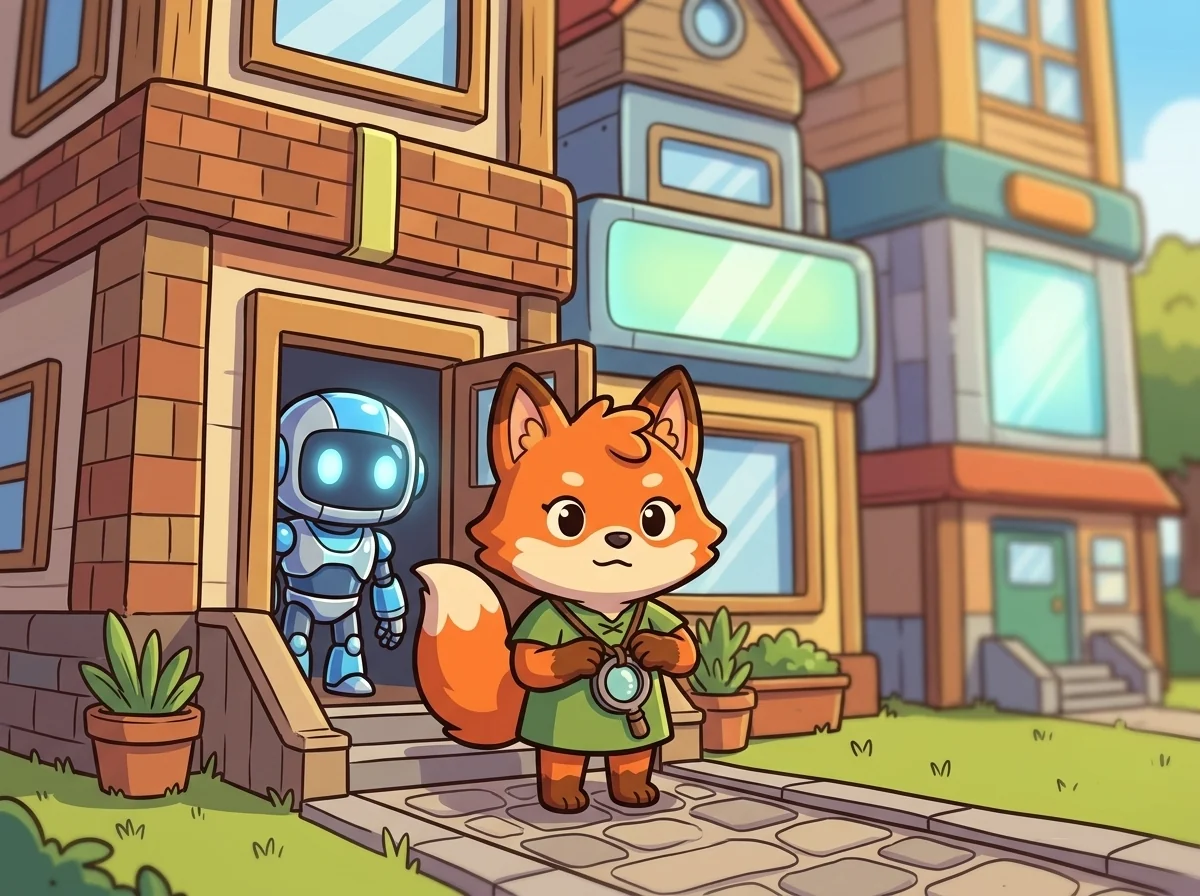
Grown, Lens walked to the InclusionForge academy — a big, tall building — where Beacon, the robot mentor with shiny plates and glowing blue eyes, met her at the door.
"What is perspective-taking?" Beacon asked, its voice smooth and calm.
Lens touched her magnifying-glass. "It's asking and listening. I can't BE you, but I can ASK what it's like. It's not guessing what someone thinks — it's making space for them to tell their own story, and then really listening to what they say."
Beacon's blue eyes glowed brighter. "You are appointed."
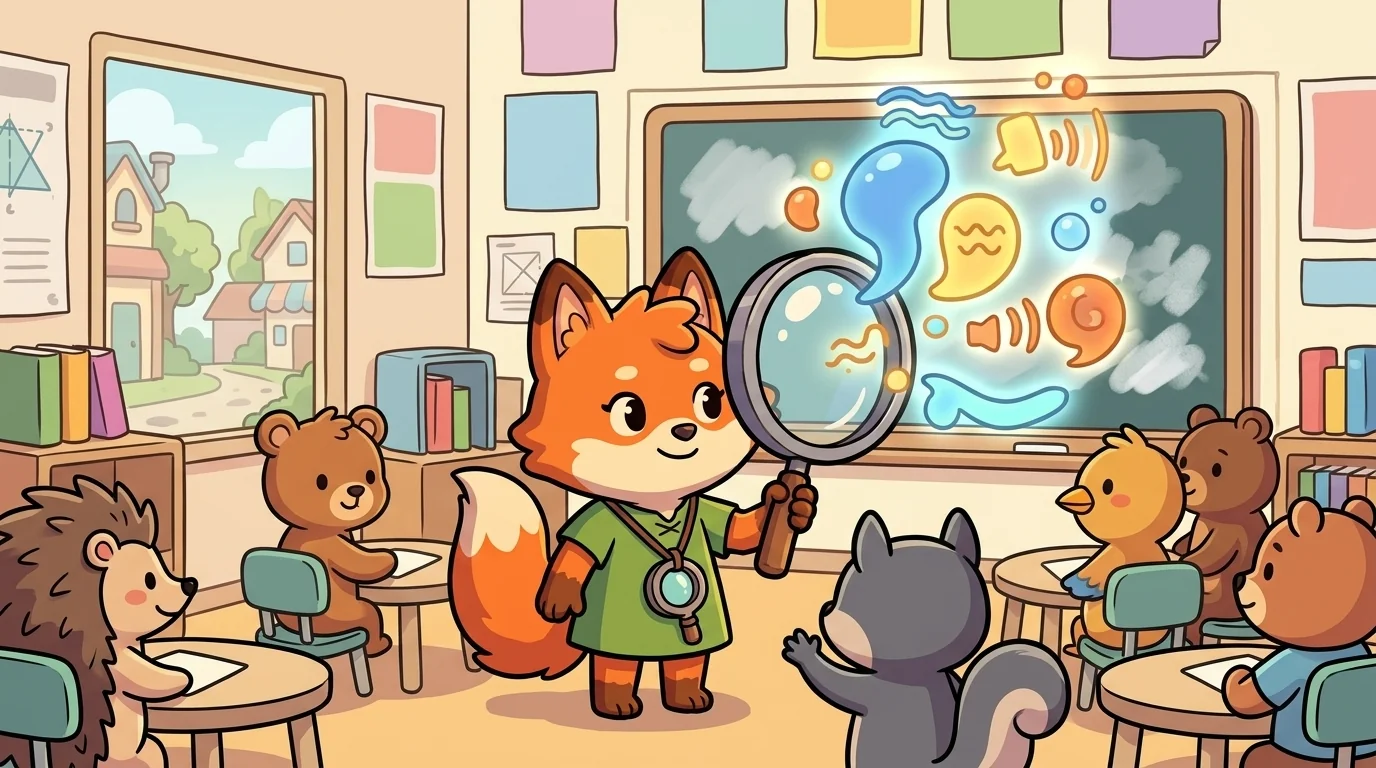
In her bright classroom, Lens starts every first day by holding up her magnifying-glass. "I am Lens. My job is asking and listening. This lens makes words bigger — not people. Remember my rule: I can't BE you, but I can ASK what it's like." Then she shares the ways to practice. Ask, don't assume — instead of "I know how you feel," try "What does that feel like for you?" Ask open questions — instead of "Are you sad?" try "How are you feeling about this?" Listen for what they actually say, not for what you expected. Don't swap in your own story — let theirs be its own. And when you don't know, ask — never just guess.
A small squirrel named Nutmeg raised her hand. "What if someone says something really weird?" Lens smiled. "Then you listen even harder. Your job is to ask so they feel safe talking — and then to listen. No one else can tell you what their experience is like. Only they can."
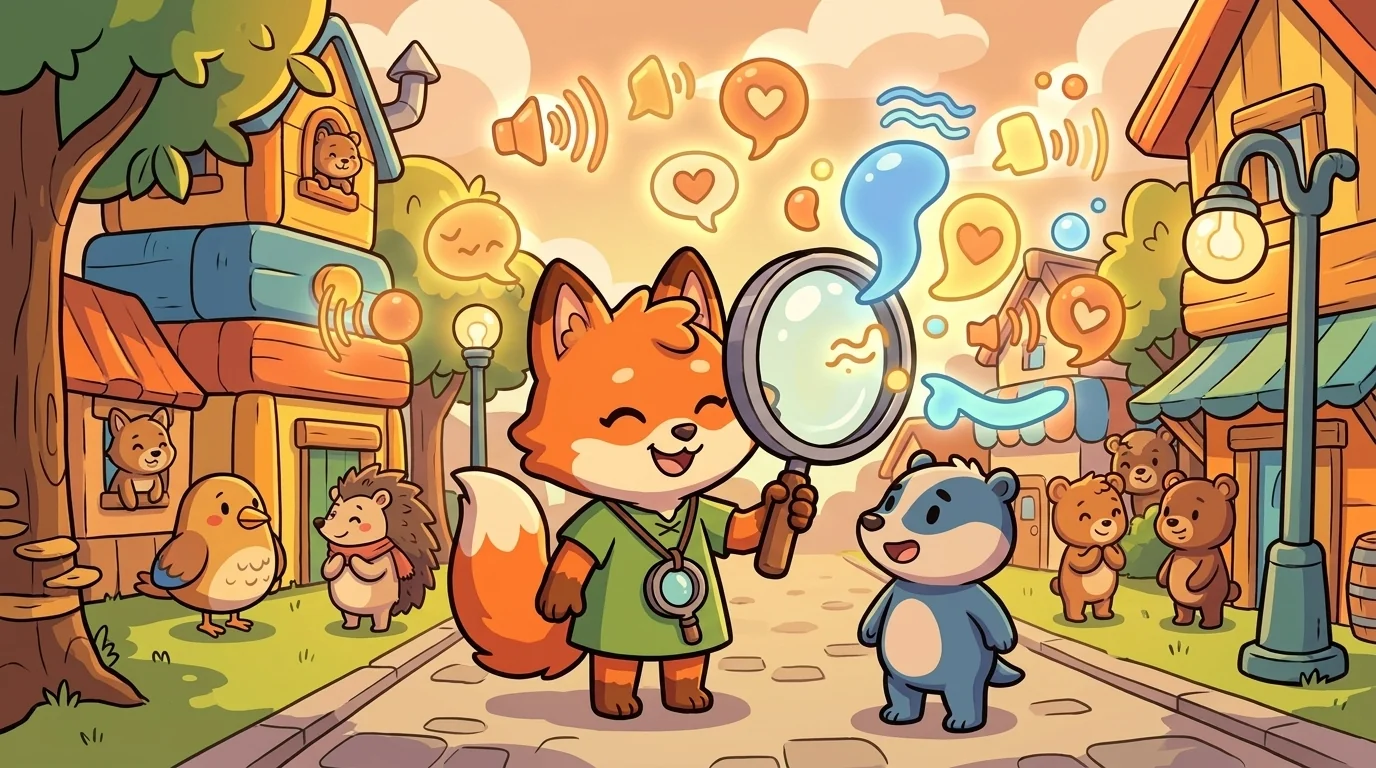
"Is perspective-taking hard?" a student asked her once. Lens gave her steady answer. "It isn't hard. It's asking and listening. I can't BE you, but I can ASK what it's like — then I really hear your answer. It's a small thing to do. But it gets bigger the more you do it."
She held up the lens, asked her question, and listened — really listened — the way she had by the river with Pip. And she felt it again, the thing that kept her doing this work: that warm, settled gladness that rises in your chest when someone who was guessed-about, or talked-over, or unseen, finally gets asked — and gets to be, in their own words, exactly who they are. It was, Lens thought, the best feeling she knew: the quiet joy of making room for someone else to be heard.
The InclusionForge ensemble
Lens is part of InclusionForge's distributed-narrative cast. Each character embodies a different curricular primitive; together they teach the full subject.
-

Notice
Barrier-identification — barriers as PROPERTIES OF SPACES never PROPERTIES OF PEOPLE; 'It's not the wheel. It's the stair.'
-

Ask
Ask-don't-assume + amplify — makes SPACE for voices, never replaces them; 'What would feel right TO YOU? I'll listen.'
-

Design
Universal Design — multi-modal solutions; never one-size-fits-most; 'Three doors. Different doors. All doors.'
-

Repair
Repair-and-reflect — mistakes as PART OF the work; never self-flagellating (renamed from Mend — MendMates mentor collision)
-

Abide
Believe / take-it-seriously — takes someone at their word about their own experience, no proof required; 'You weren't supposed to know. You were supposed to believe.'
-
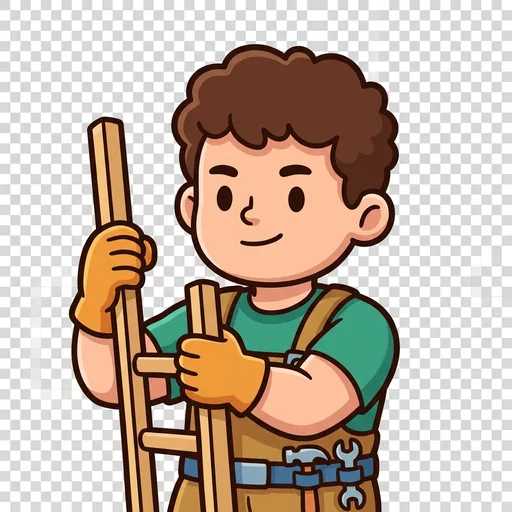
Bolster
With-not-for — follows the lead of those most affected, backs their plan instead of taking over; 'Hold the ladder; don't grab the beam.'
-

Rally
Upstander — steps in when exclusion happens, joining beside not rescuing; 'I didn't have to fix the whole world. I just had to not stand there.'
-

Uphold
Follow-through — keeps access working after it's built; 'Belonging isn't a thing you finish. It's a promise you keep.'
-

Uplift
Asset-not-deficit — celebrates what someone brings, not only what's in their way; 'Belonging isn't only the absence of walls. It's the presence of glad.'