Marsh & Silt
NEW GROUND — the broken-down and the newly-arrived make soil together; then life moves in.
A story read by Marsh & Silt
Loading audio…
Press play to listen along. The line being read lights up as you go.
Show full transcript
Loading transcript…
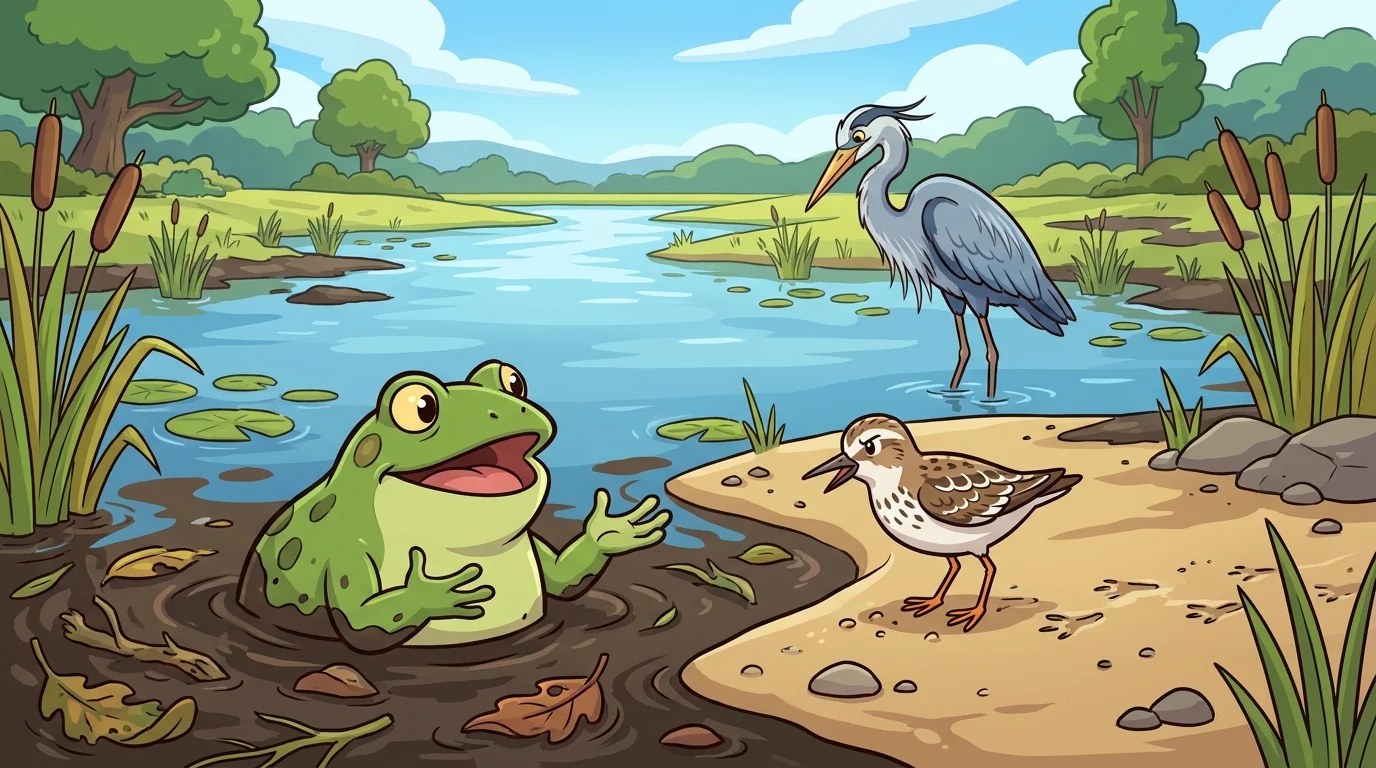
At the place where the slow river fanned out into the wetland, Marsh the bullfrog and Silt the sandpiper had been arguing all morning — gently, the way old friends argue — about which of them actually made the good black earth that everything grew in.
"It's the muck," Marsh said, half-sunk in her warm ooze. "The rich dark stuff comes from things breaking down — leaves, reeds, all of it returning. I make the earth."
"It's the grains," Silt shot back, stitching tracks across the fresh flats. "The river carries down sand and silt and drops it here. Without new grains there's no new land at all. I make the earth."
An old heron, wading nearby, cleared his throat. "You're both wrong," he said, "and you're both right, and you'd know it if you ever stopped arguing long enough to look down."
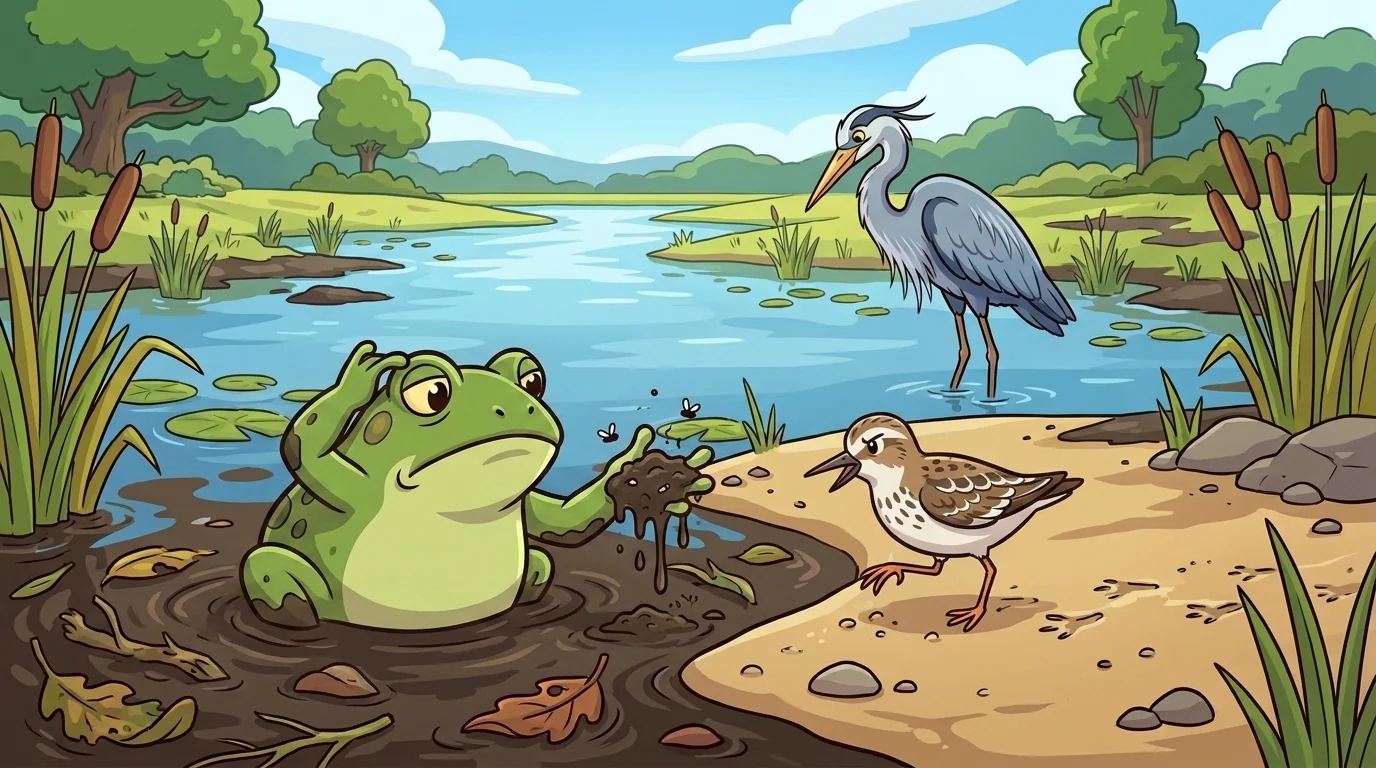
Marsh climbed grumpily out of her muck to prove her point. She scooped up a pawful of pure decomposed matter — dark, soft, rich-smelling, alive with tiny creatures — and held it out. "See? This is what feeds everything. Broken-down leaves, returned to the world. All the goodness is in here." But when she tried to pat it into ground a seed could grow in, it just… slumped. Soupy. Loose. It wouldn't hold a shape, wouldn't hold a root. "Huh," Marsh said, frowning at the rich dark soup dripping through her webbed fingers. "It's full of food, but it won't… stay."
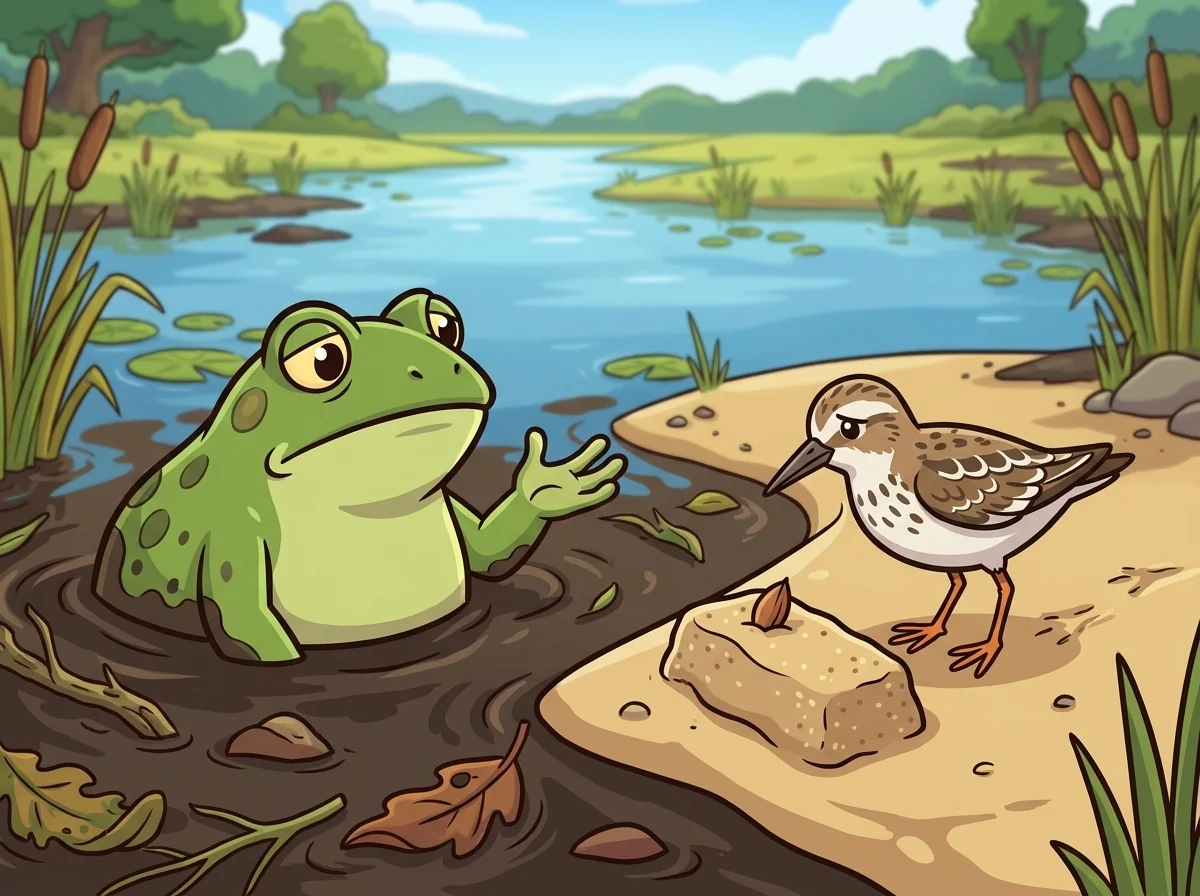
Silt hopped over, curious, and scooped up a beakful of her own material — clean mineral grains, fresh from the river, firm and packed. "Mine holds," she said, pressing it into a neat little bar of solid ground. "See? Structure. It stays put. A root could hold onto this." But when she poked a seed into the pure packed sediment and waited, nothing happened. The grains were clean — too clean. No food in them at all. "Oh," Silt said quietly, looking at the bare, firm, lifeless little bar. "Mine holds its shape, but there's… nothing in it to eat. My ground is solid and starving."
The two of them looked at each other — the frog with her rich soup that wouldn't stay, the sandpiper with her firm grains that had no food.
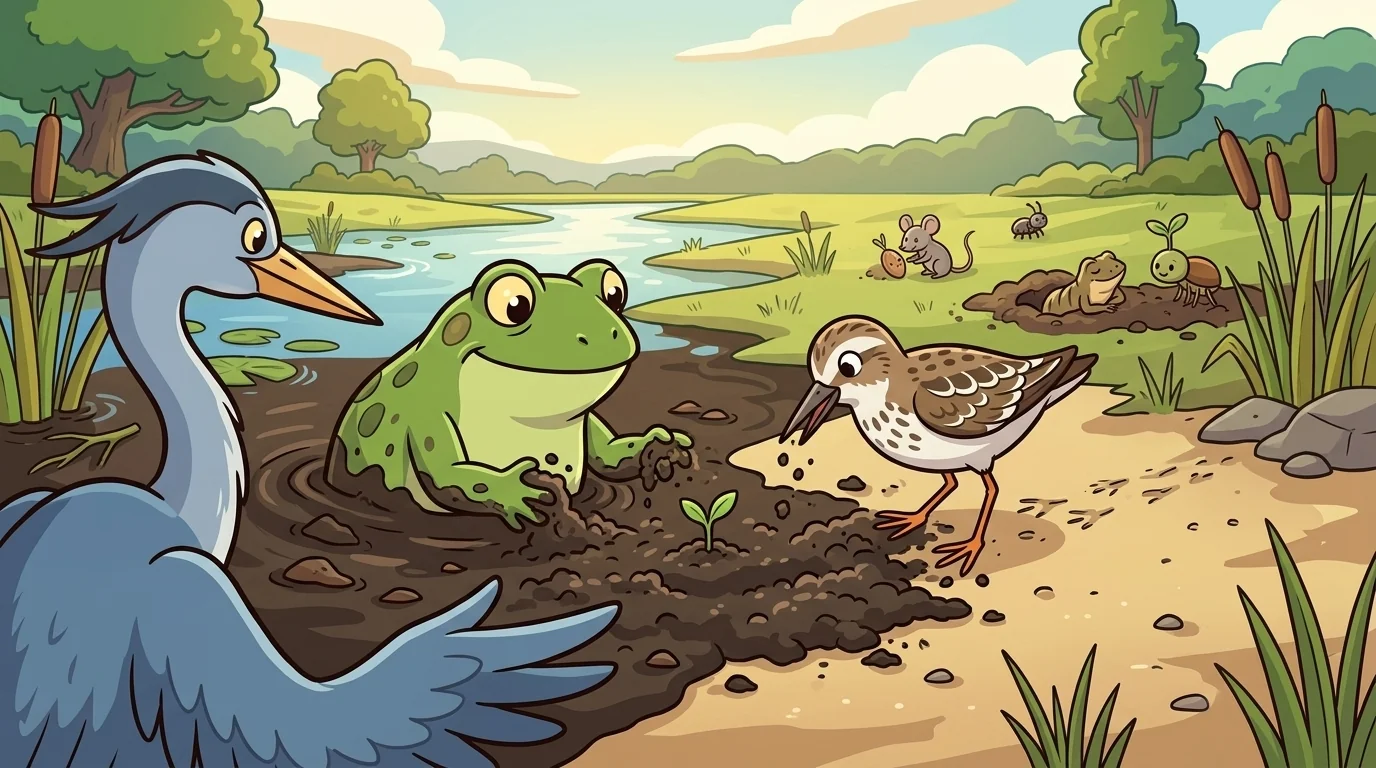
The old heron waded closer. "Now put them together," he said.
Marsh mixed her dark, food-rich decomposed muck into Silt's firm mineral grains — and something changed under their hands. The grains gave the muck structure, something to hold onto; the muck gave the grains food. What had been soupy nothing and firm nothing became, together, dark crumbly soil — soil that held its shape and held a feast. Silt poked her seed in again. This time, in a few quiet days, a tiny green thread rose up. "That's new ground," the heron said. "Real soil is the broken-down and the newly-arrived, married together. Decomposers return the food; sediment brings the frame. Neither one is soil alone. But where a river's grains meet a wetland's rot —" he gestured at the whole rich delta around them "— you get the most fertile ground on Earth, and life comes running." And it belongs to everyone, he added — every fertile field, every rich delta, every good black garden bed is this same marriage, made by countless small creatures and countless small grains, over and over. People all over the world have farmed the fertile deltas where rivers drop their silt into rotting wetlands — the Nile, the Mekong, the Mississippi — because that meeting-place makes the richest earth there is.
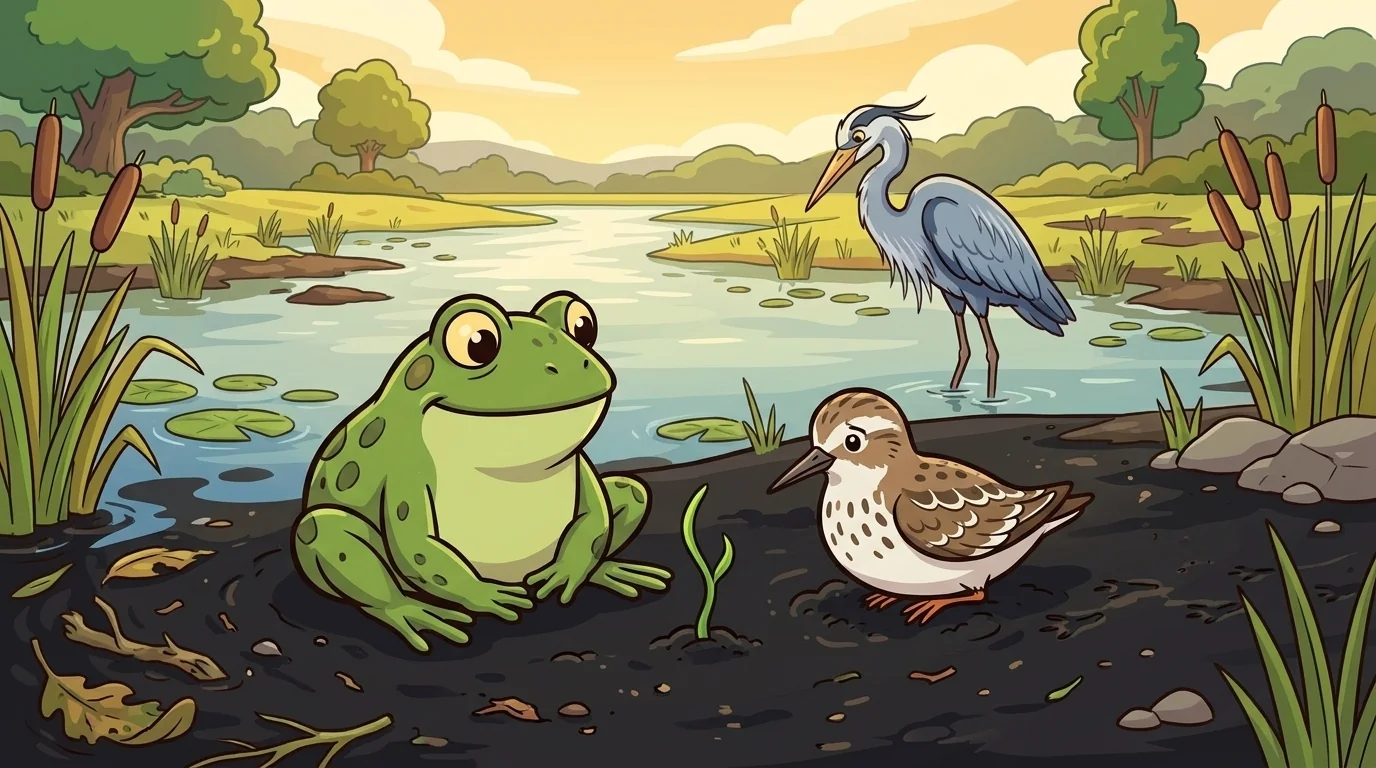
Marsh and Silt sat together on the new fertile ground they'd made, the frog and the sandpiper, a little dazed, watching the green thread grow.
"I always thought I made the earth by myself," Marsh said. "Turns out my rich stuff is just soup without your grains to hold it."
"And my grains are just dead sand without your muck to feed them," Silt said. "We weren't rivals. We were halves."
A warm, joined, we-fit-together feeling settled over them both — the frog who returned things and the sandpiper who built things, discovering they'd been making one thing all along. It felt good, that click of oh, my piece was never meant to work alone — better and steadier than winning the argument ever could have. That warm, glad, we-made-this-together feeling — two friends whose different gifts turned out to be one gift — was, to the old heron watching from the shallows, the most fertile thing the whole delta could grow.
The BiomeForge ensemble
Marsh & Silt is part of BiomeForge's distributed-narrative cast. Each character embodies a different curricular primitive; together they teach the full subject.
-
Canopy
Forest biomes (temperate, tropical, taiga)
-
Dune
Desert biomes (hot, cold, semi-arid)
-
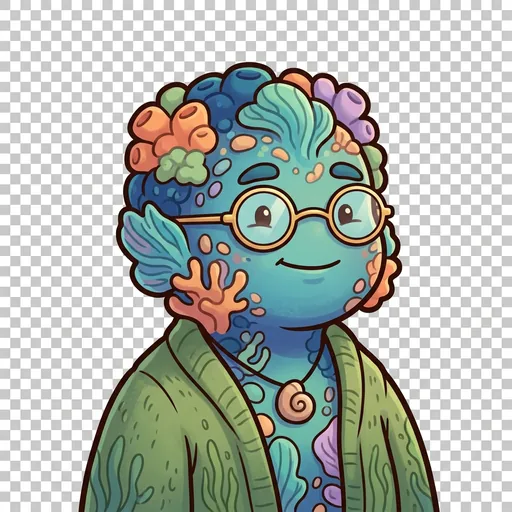
Reef
Aquatic biomes (coral reef, freshwater, marine)
-
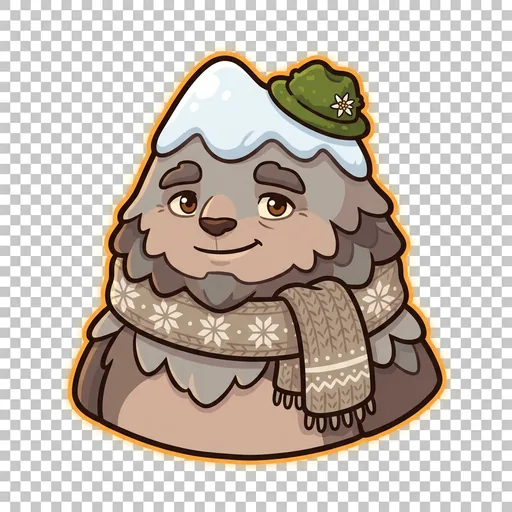
Ridge
Mountain / alpine / vertical-zonation biomes
-

Flux
Climate-biome mapping (where biomes shift with climate)
-

Burrow
Ecosystem engineers — some animals build homes for a hundred others; dig, and the neighborhood moves in
-
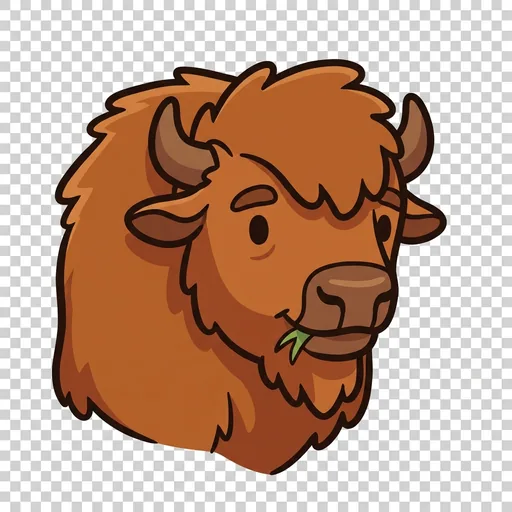
Graze
Keystone herbivores + grasslands — a grassland needs its grazers; eat, move on, keep the prairie alive
-

Kelp
Keystone species + trophic cascades — one keystone holds up a whole forest; pull it and everything topples
-

Marsh
Decomposition + nutrient cycling — nothing is wasted; the dead feed the living, the water remembers
-
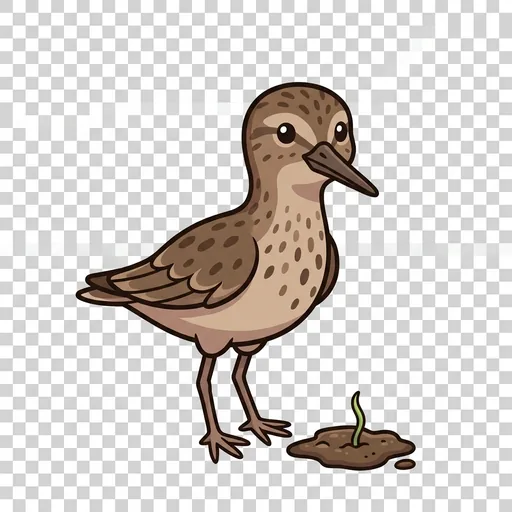
Silt
Sediment + ecological succession — new land is built one grain at a time; life moves in the moment it's ready