Graze
GRAZE — a grassland needs its grazers. eat, move on, and the whole prairie stays alive.
Loading audio…
Press play to listen along. The line being read lights up as you go.
Show full transcript
Loading transcript…
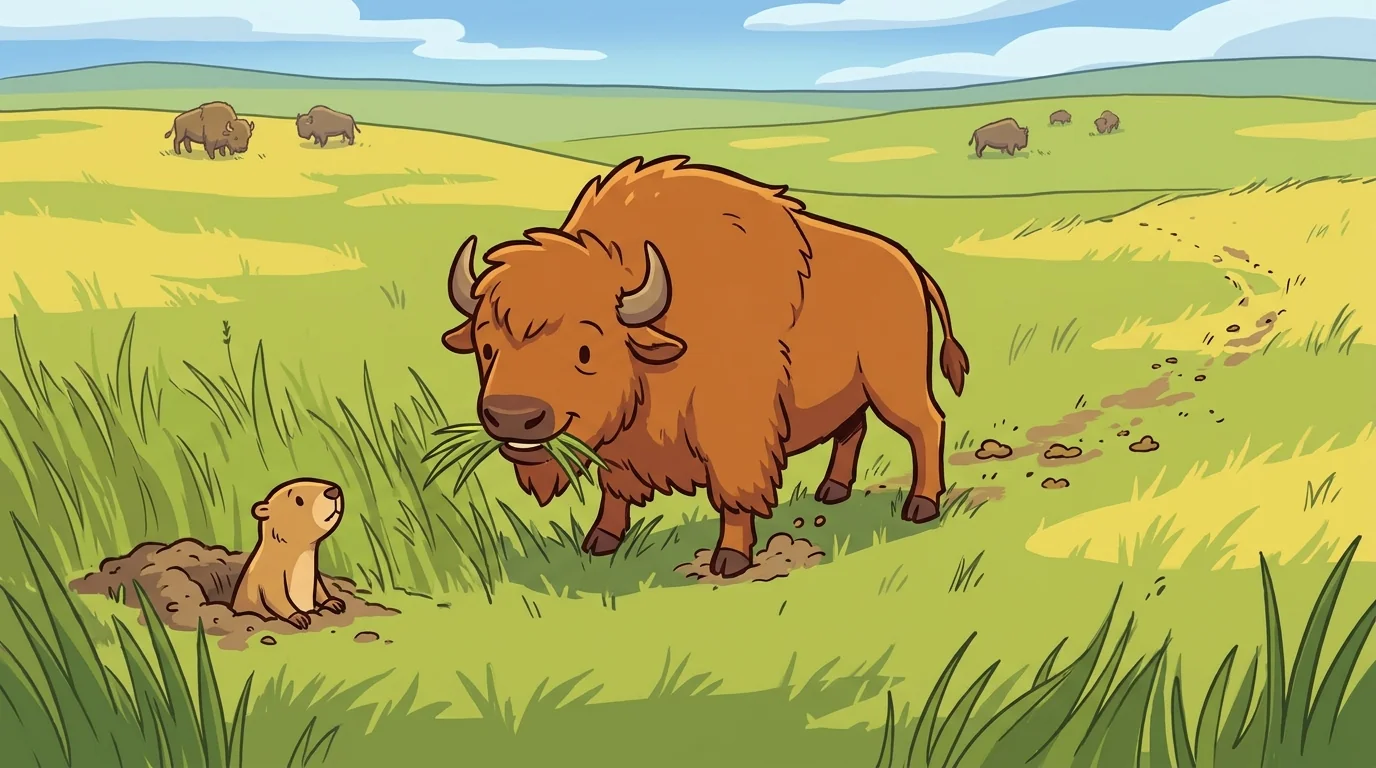
Graze moved slowly across the tall grass, cropping a mouthful here, a mouthful there, and never staying in one spot too long — because a grassland, she knew, was not a garden you left untouched. It was a place that stayed alive by being eaten.
She was a bison-tween, broad and shaggy and warm-brown, with a gentle face and a slow, steady walk. A younger prairie-dog-kid popped up from a burrow and squeaked at her. "You're eating the prairie. Isn't that bad? Shouldn't we leave it alone so it can grow?"
"Grass wants to be grazed," Graze said, chewing. "It grows back thicker from the bottom when the top is cropped — that's its whole trick. And when I move on instead of eating one patch to the dirt, I leave that patch to recover while I feed a new one. My hooves stir the soil for seeds. My… well —" she glanced back "— what I leave behind fertilizes it." She ambled forward. "A prairie with no grazers grows tall and tangled and choked, and then it burns hot and hard. A prairie with grazers moving through stays open, and rich, and alive. The eating is the tending."
The prairie-dog stared at the wide sea of grass and, for the first time, saw the big shaggy grazers not as destroyers but as gardeners who happened to garden with their mouths.
Graze had not always understood her own place.
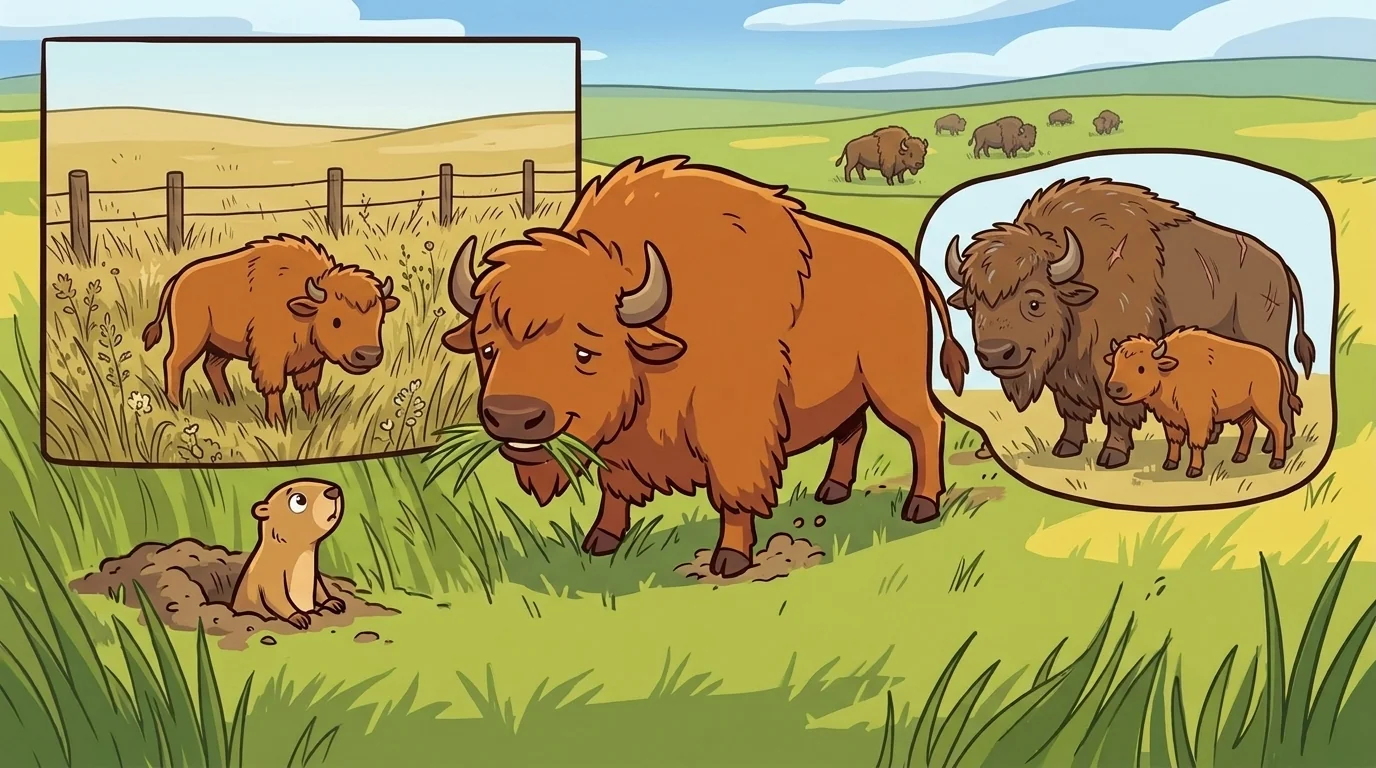
When she was small, she'd wandered from the herd into a fenced meadow where no large animals had grazed for years, and she'd thought it looked perfect — lush, tall, untouched. Then she'd watched it through a dry season: the ungrazed grass grew rank and thatchy, smothering the little wildflowers, and when a spark came it went up in a fierce, fast blaze that scorched the soil itself.
An old bull, scarred and wise, had found her mourning the burned meadow. "That's what 'left alone' looks like, sometimes," he said quietly. "Grasslands and grazers grew up together, over ages. Take the grazers away and the grass doesn't thank you — it chokes on itself. The herd isn't a guest on the prairie, little one. The herd is part of how the prairie works. Your grandmothers' hooves shaped this land as surely as the rain did."
Graze had looked at her own broad hooves, and at the shaggy herd on the horizon, and felt something settle. She wasn't a visitor taking from the grass. She was a thread in the grass — one the whole living braid had been counting on all along.
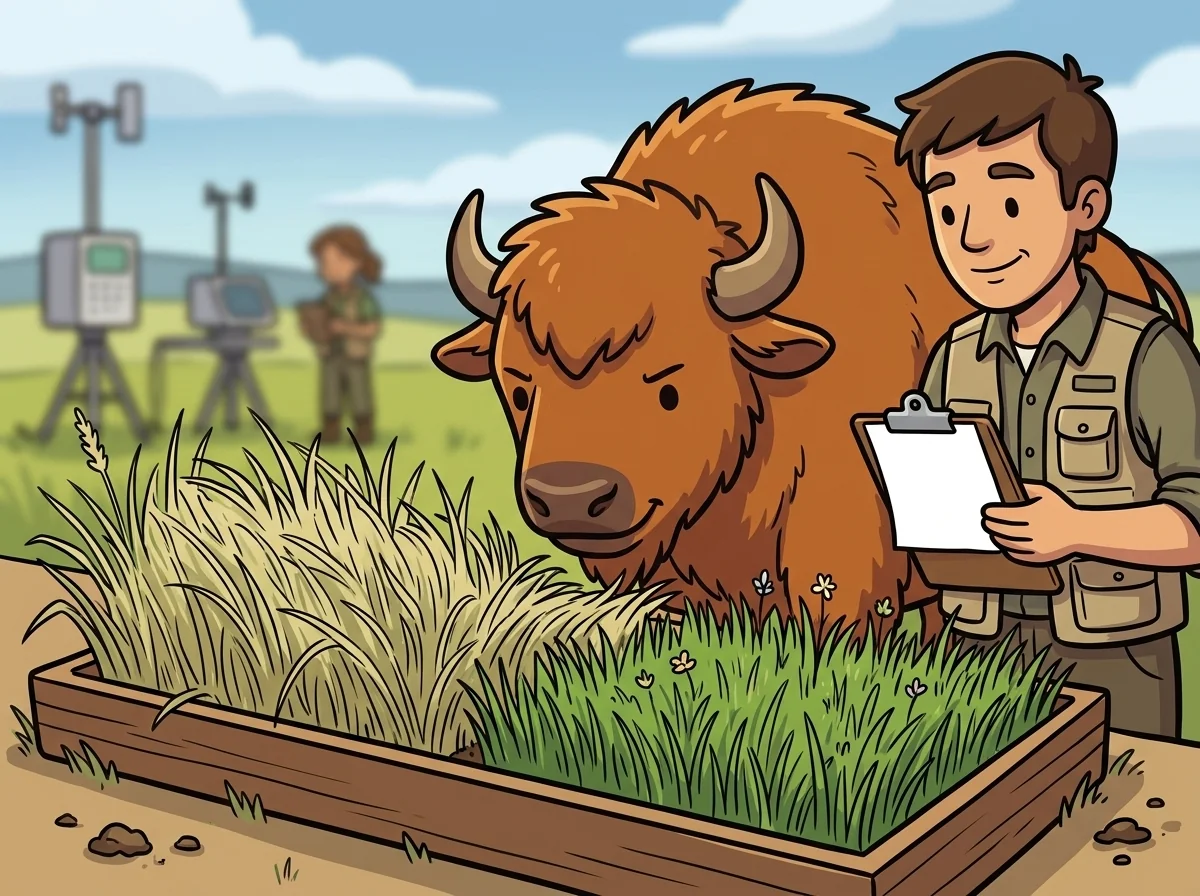
She came to the field-station at Biomeforge at twelve, because a place that studied living systems ought to understand the ones where the animals and the land had shaped each other for ages.
The naturalist met her by a tray of grass — half of it trimmed short, half grown tall and tangled. "Which half is healthier?"
Most kids picked the tall half. Graze looked closely — at the trimmed half, thick and green at the base, tiny flowers peeking through; at the tall half, pale and thatchy underneath, choking. "The short one," she said. "It's been grazed, so it's growing back thick from the roots, and the little plants have room and light. The tall one looks lusher, but underneath it's smothering itself." She looked up. "Healthy grassland isn't grass nobody touches. It's grass that's part of a cycle — eaten, moved on from, grown back."
The naturalist nodded slowly. "Most people pick the tall grass. You saw the cycle. You belong here."
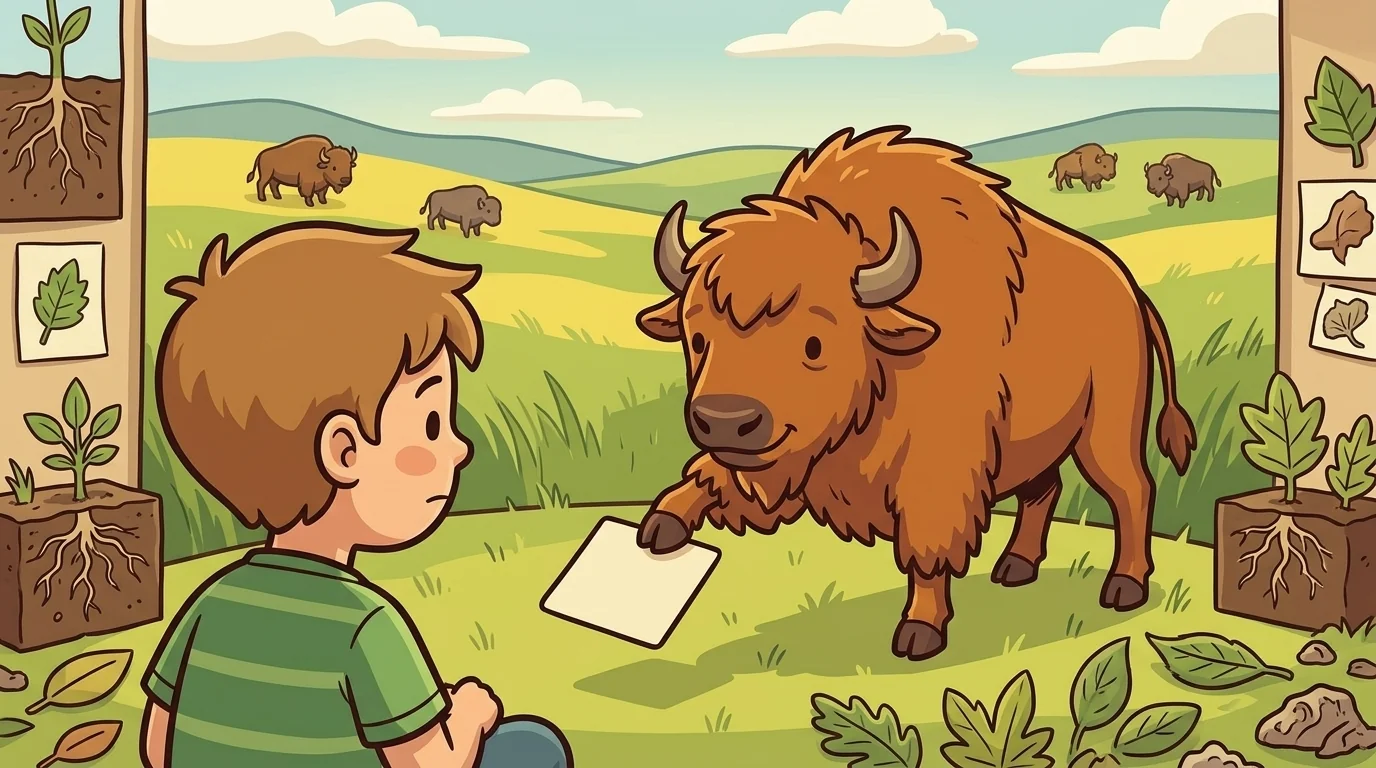
Graze's corner filled up with kids who thought protecting nature always meant hands-off, fences-up, leave-it-alone.
A boy came in troubled. He'd heard grasslands were disappearing and grazing animals were vanishing, and he'd also heard that animals eating plants was "bad for the environment," and the two ideas had tangled him up. "So is grazing good or bad?" he asked. "Should we get rid of the grazers to save the grass, or not?"
Graze knew that tangle. She'd felt it at the perfect, doomed meadow.
"It's a real knot, and you're smart to feel it," she said. "Here's the untangle: grasslands and their grazers need each other. Well-managed grazing keeps grasslands open and healthy, and healthy grasslands store huge amounts of carbon down in their deep roots, safe underground. Losing the grazers and losing the grasslands are both losses." She nudged a card over. "You can't manage a whole prairie. But you can learn that 'leave it alone' isn't always the kindest thing — that some living systems need us to take part, carefully, not just stand back. You can support the people restoring grasslands and their herds." Her gentle eyes warmed. "Caring for the prairie sometimes looks like joining it, not fencing it off."
The boy's frown eased into thought.
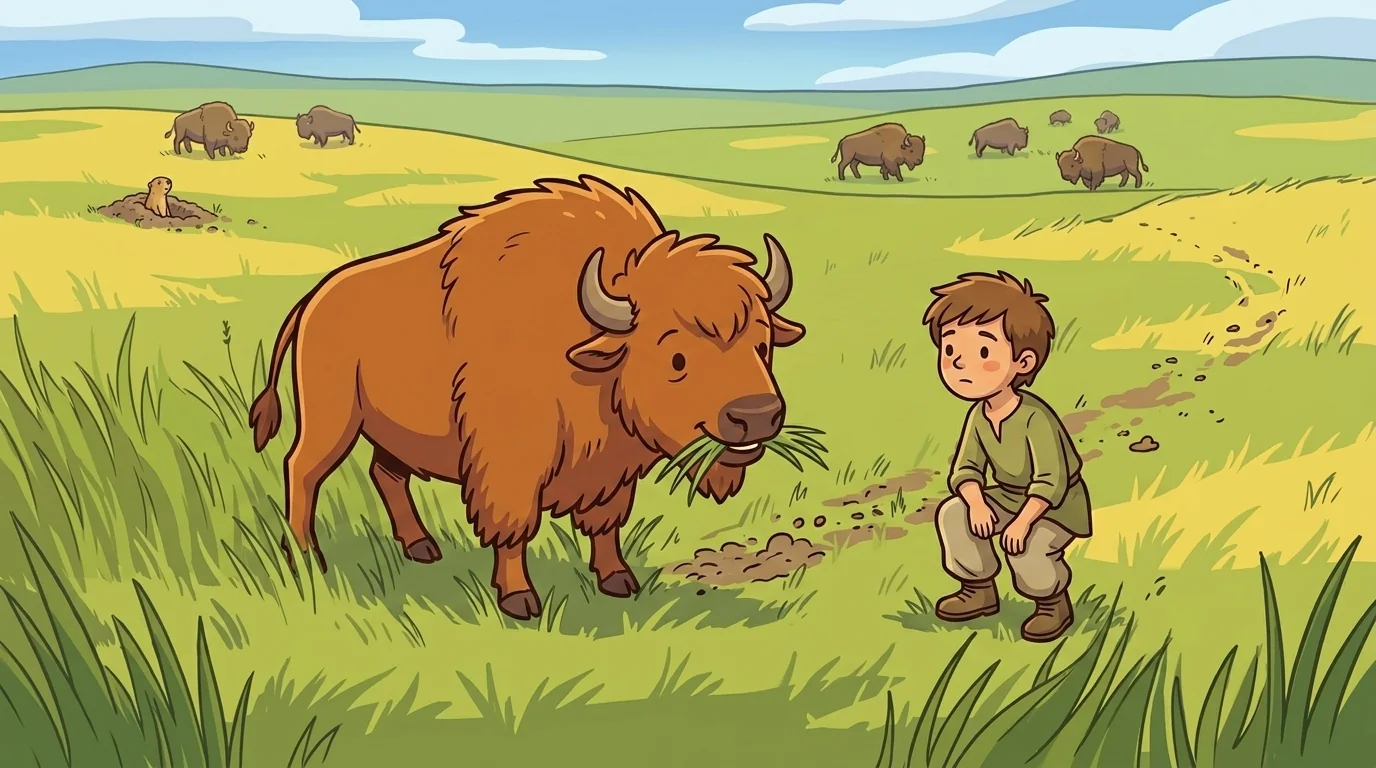
Later he came back, quieter. "When taking part might do harm," he said, "and standing back might also do harm — how do you know how to care for something right?"
Graze thought about the burned meadow, and the scarred old bull, and being a thread in the grass.
"You learn how the whole braid works, and you find your right-sized part in it," she said. "That's the honest answer. Not too much, not nothing — your part." She cropped one slow, thoughtful mouthful. "When I move across this grassland the way the herd always has — eating, moving on, letting each patch recover — I don't feel like I'm using up the prairie. I feel like I'm keeping it alive, the way it kept my grandmothers alive. Caring isn't always stepping back. Sometimes it's stepping in, gently, and doing your part of the work the land's been counting on."
The boy nodded slowly, and Graze watched the tangle loosen in him — the way tight grass loosens and breathes once the herd has moved through.
The BiomeForge ensemble
Graze is part of BiomeForge's distributed-narrative cast. Each character embodies a different curricular primitive; together they teach the full subject.
-
Canopy
Forest biomes (temperate, tropical, taiga)
-
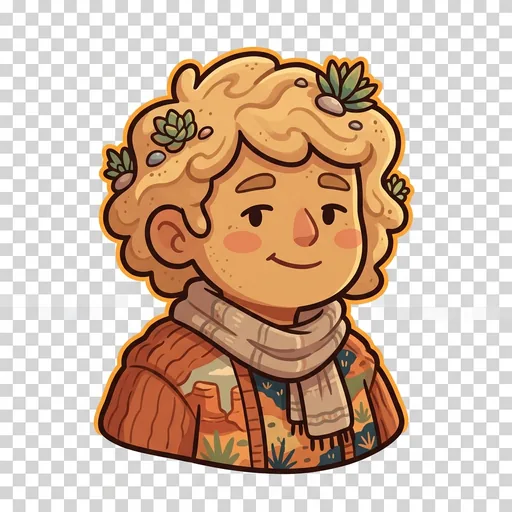
Dune
Desert biomes (hot, cold, semi-arid)
-
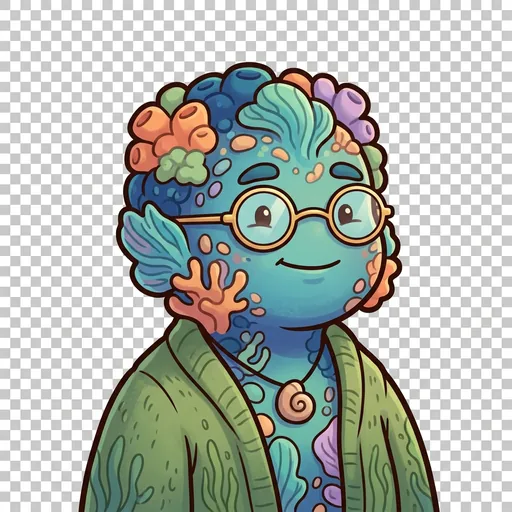
Reef
Aquatic biomes (coral reef, freshwater, marine)
-
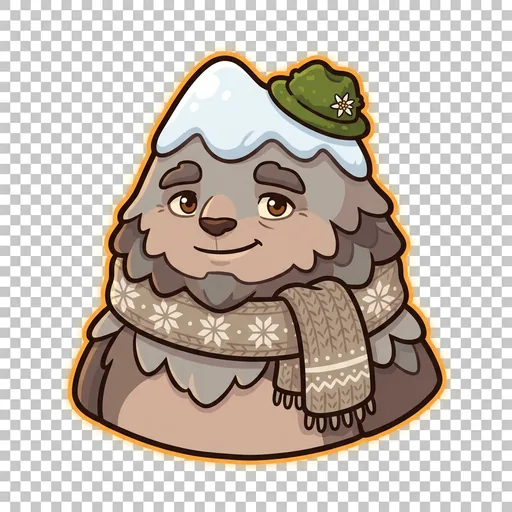
Ridge
Mountain / alpine / vertical-zonation biomes
-
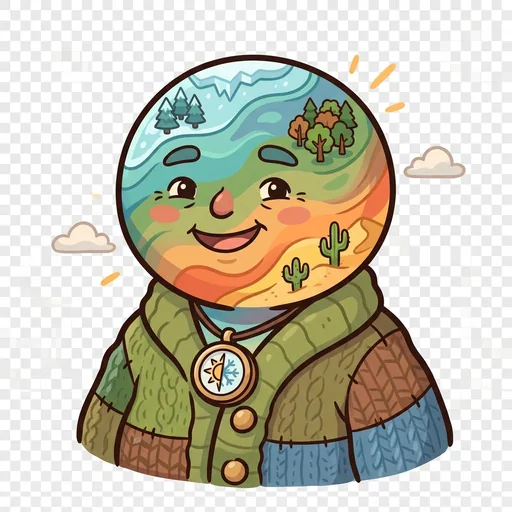
Flux
Climate-biome mapping (where biomes shift with climate)
-
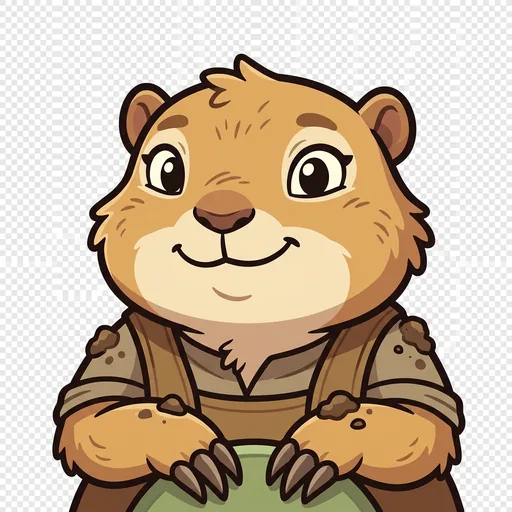
Burrow
Ecosystem engineers — some animals build homes for a hundred others; dig, and the neighborhood moves in
-
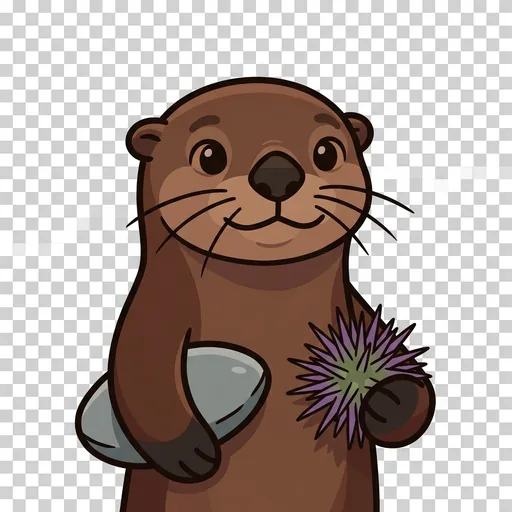
Kelp
Keystone species + trophic cascades — one keystone holds up a whole forest; pull it and everything topples
-
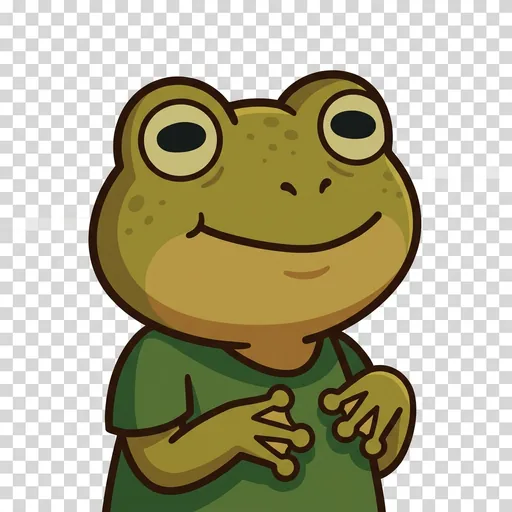
Marsh
Decomposition + nutrient cycling — nothing is wasted; the dead feed the living, the water remembers
-
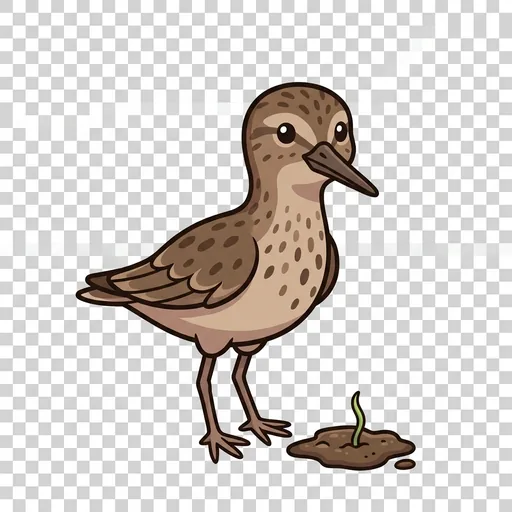
Silt
Sediment + ecological succession — new land is built one grain at a time; life moves in the moment it's ready