Marsh
MARSH — nothing is wasted. the dead feed the living, and the water remembers.
Loading audio…
Press play to listen along. The line being read lights up as you go.
Show full transcript
Loading transcript…
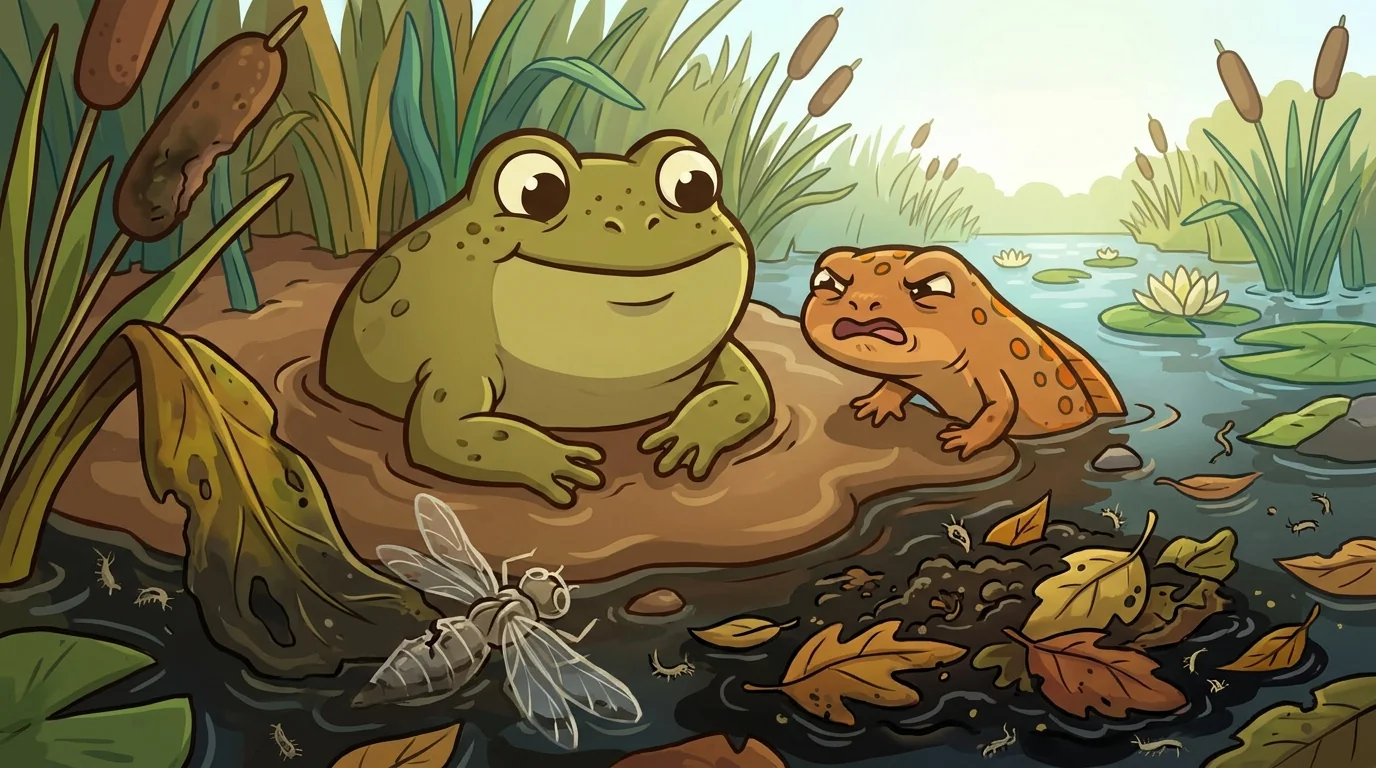
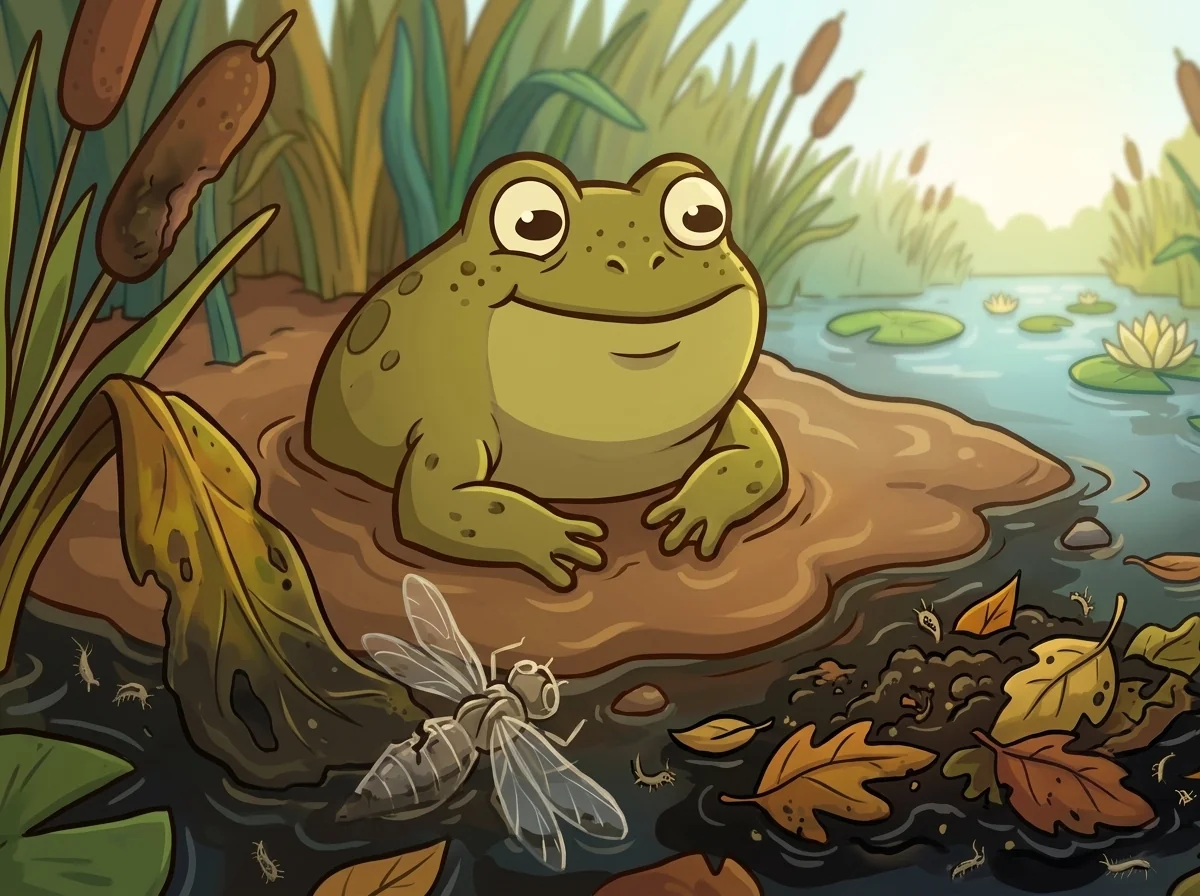
Marsh sat half-sunk in the soft brown ooze at the edge of the reeds and did not mind one bit, because the muck was not dirt to her — it was the busiest kitchen in the whole wetland.
She was a bullfrog-tween, olive-green and freckled, with wide calm eyes that blinked slowly. Around her, a fallen cattail leaf was going soft and dark, and a dragonfly husk was breaking down into the water, and last autumn's whole drift of leaves was quietly turning into the richest black soup you ever smelled. A younger newt-kid wrinkled his nose beside her.
"It stinks here. And everything's rotting. It's gross."
"It's not rotting," Marsh said, without moving. "It's returning." She watched a leaf dissolve into the dark water, feeding a cloud of tiny creatures too small to name. "That cattail fed a beetle last summer. Now it's feeding the water, and the water will feed a new cattail in spring. Nothing here is wasted. It just changes hands." She let one webbed foot sink deeper into the warm muck, content. "The dead feed the living. That's not gross. That's the whole trick of staying alive."
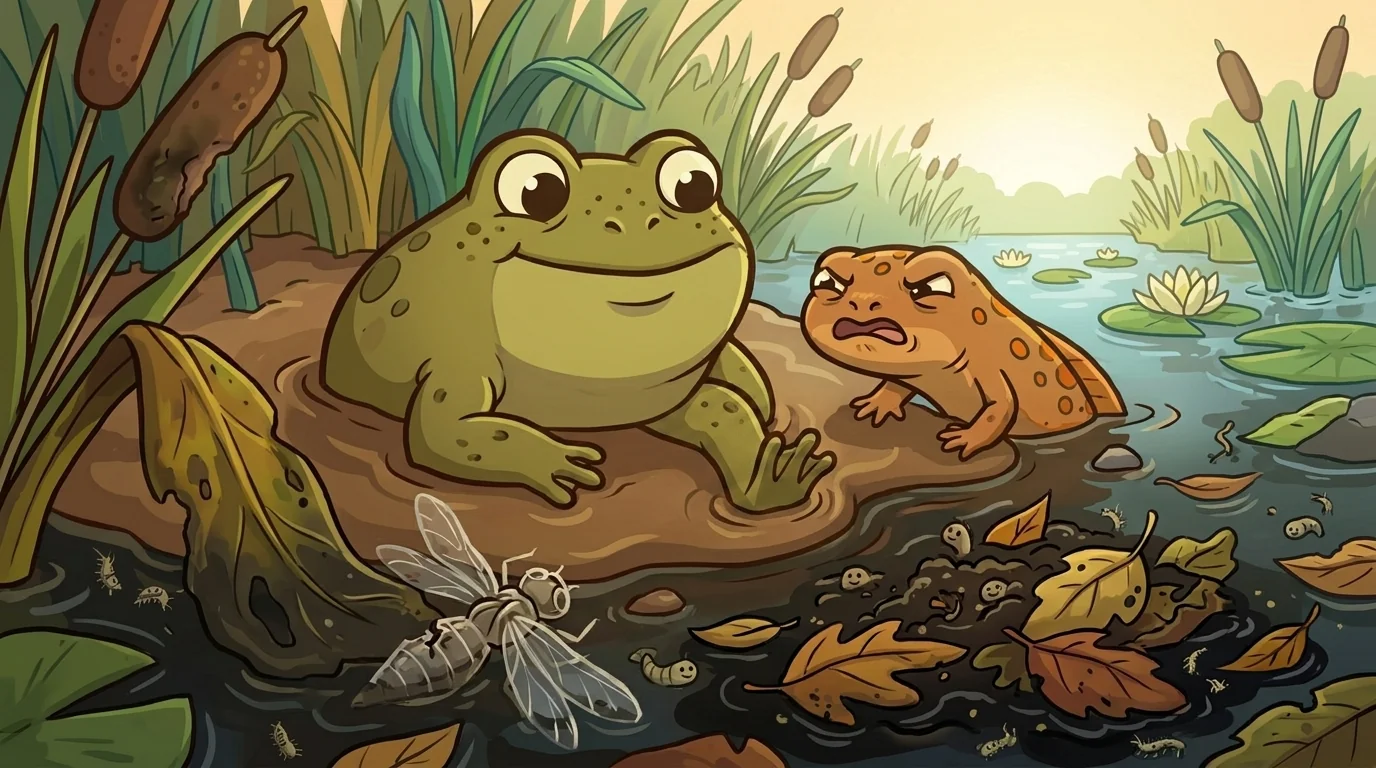
Marsh had not always found the muck beautiful.
When she was small, she'd lived in a tidy pond with clean-swept edges, and she'd thought decay was something to be ashamed of — the messy part, the part you hid. Then a drought summer came, and the tidy pond went stale and lifeless, its clean edges baked to cracked mud, because nothing was left to feed anything else.
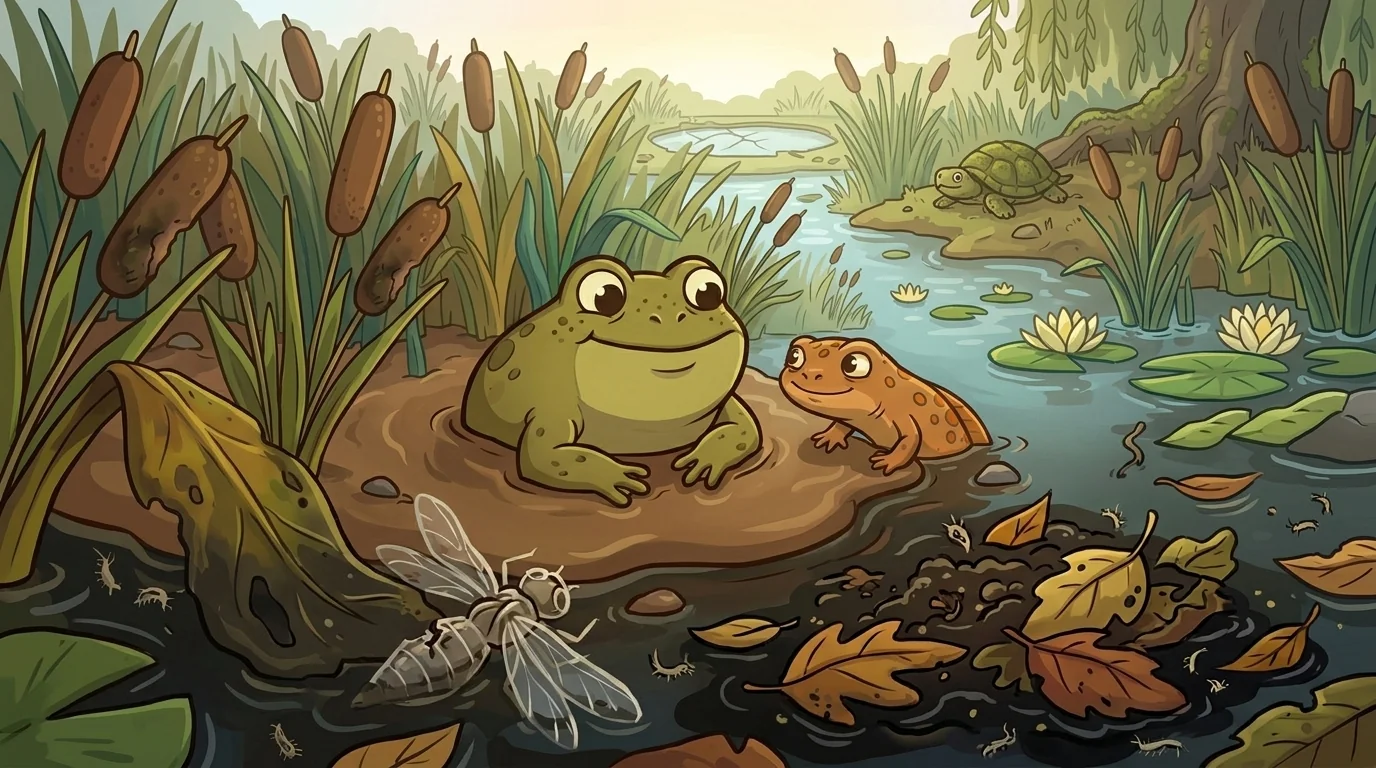
An old snapping turtle, mossy and slow, had watched Marsh mourn the empty pond. "Too clean, that place," he rumbled. "No fallen leaves, no soft muck, no rot. So when the hard time came, there was nothing stored up to feed the next thing. A wetland that lets things break down keeps a pantry. A wetland that's scrubbed bare starves."
Marsh had looked at the mucky marsh he lived in — the very mess she'd been taught to scorn — with new eyes. It wasn't filth. It was a full pantry. It was the wetland taking care of its own future, one fallen leaf at a time. The shame she'd carried about the messy, breaking-down part of the world quietly loosened its grip.
She came to the field-station at Biomeforge at twelve, because a place that studied living systems ought to understand the ones that did their work out of sight — the slow, unglamorous, absolutely essential ones.
The naturalist who tended the vivarium tanks met her at the door and pointed to a jar of dark, murky pond-water that looked, to anyone else, like something to pour out. "What's in there?"
Marsh pressed close. "A whole crew," she said. "Bacteria and fungi taking apart the dead leaves. Tiny worms eating what they leave. It looks like dirty water, but it's a cleanup team working double shifts. Give it a month and that murk turns into food for a whole new little world." She looked up. "It only looks like waste. It's really the wetland's memory — everything that lived here, saved up to grow the next thing."
The naturalist smiled. "Most people pour that jar out. You saw the crew. You belong here."
Marsh's corner of the station filled up with kids who thought wetlands were just soggy wasteland.
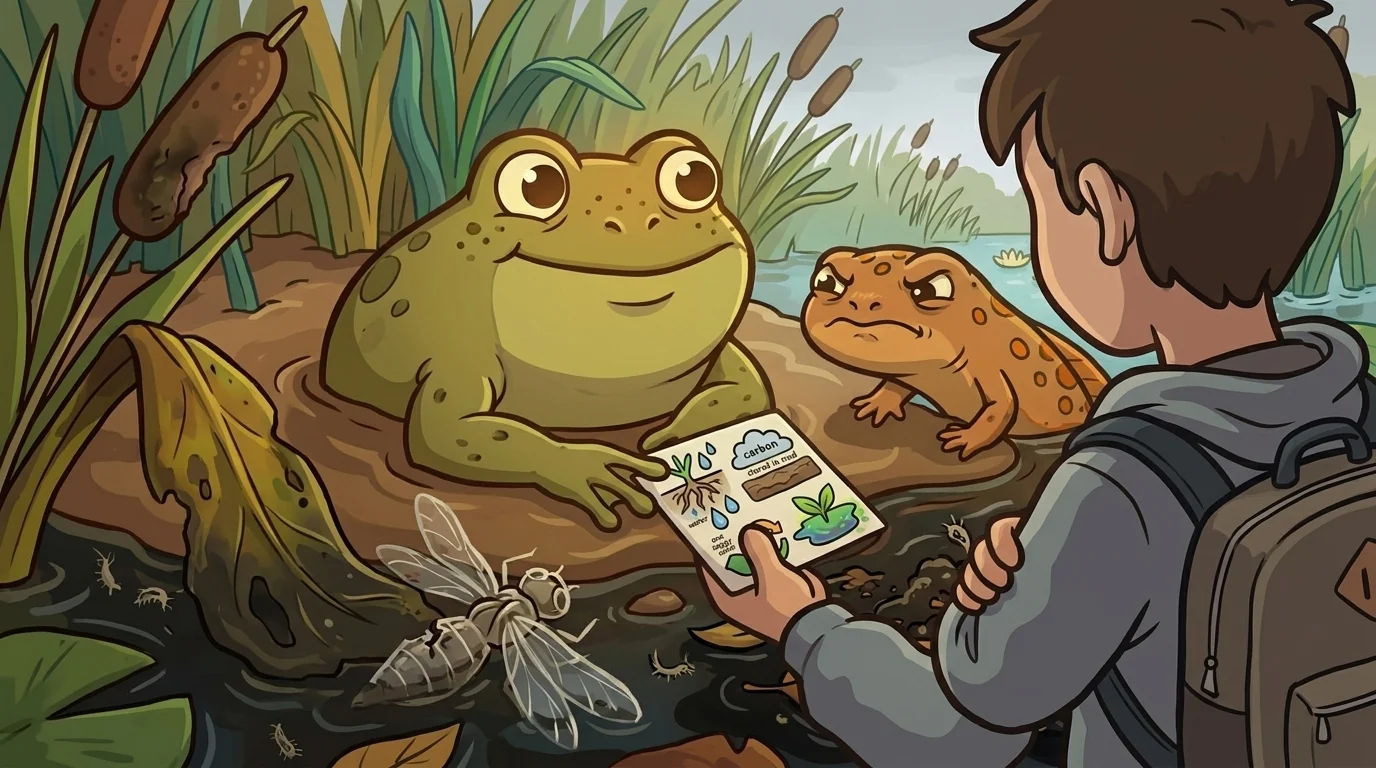
A boy came in one grey afternoon, upset. He'd read that people drain marshes and swamps to build things, and that the world was losing its wetlands fast. "So they're just going away," he said. "And they're not even pretty, so nobody cares. What's the point of learning about mud that's disappearing anyway?"
Marsh knew that heavy feeling. She'd felt it at the empty, cracked pond.
"You're right that we're losing them, and you're right that's worth being upset about," she said. "Wetlands soak up floods, and they clean dirty water for free, and — here's the part the headlines skip — the muck stores carbon, tons of it, locked in the mud where it can't warm the sky. A drained marsh lets all that back out. So they matter more than they look." She nudged a card toward him. "You can't save every wetland. But you can learn how one works. You can tell one person a swamp isn't a wasteland. You can help keep one soggy corner soggy." Her wide eyes warmed. "The muck's been quietly saving the future this whole time. You just get to be one more thing that helps it keep going."
The boy uncrossed his arms and looked at the murky jar like it had turned into treasure.
Later, when the room had cleared, the boy came back with a smaller question.
"When something looks ruined," he said, "or wasted, or ugly — how do you not just write it off?"
Marsh thought about the cracked, tidy pond, and the mossy old turtle, and the pantry hiding in the mess.
"You remember that breaking-down is how things come back," she said. "That's the honest swap. 'Ruined' is what you call it when you forget the muck is a kitchen." She settled deeper into the warm ooze, content and unhurried. "When I sit here and let myself feel how everything that ever lived in this marsh is still here — changed, folded back in, feeding what comes next — I don't feel like I'm sitting in waste. I feel like I'm sitting in a promise. Nothing's really lost. It's just getting ready to be something again."
The boy was quiet. Then he grinned, and Marsh watched the tightness leave his shoulders — soft and slow, the way a leaf lets go and drifts down into the good dark water.
The BiomeForge ensemble
Marsh is part of BiomeForge's distributed-narrative cast. Each character embodies a different curricular primitive; together they teach the full subject.
-
Canopy
Forest biomes (temperate, tropical, taiga)
-
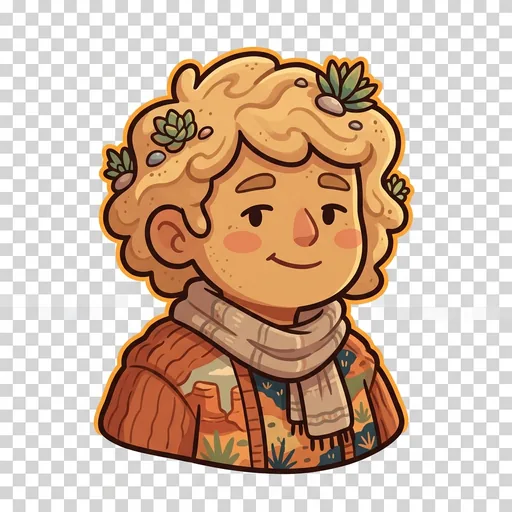
Dune
Desert biomes (hot, cold, semi-arid)
-
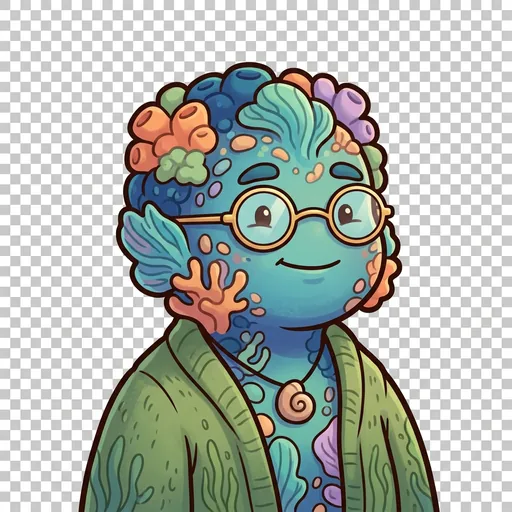
Reef
Aquatic biomes (coral reef, freshwater, marine)
-
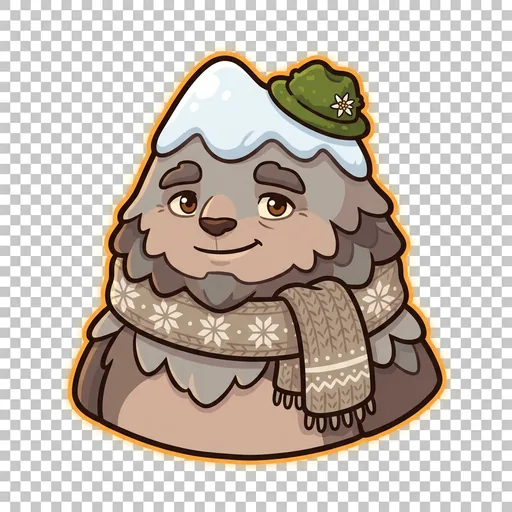
Ridge
Mountain / alpine / vertical-zonation biomes
-

Flux
Climate-biome mapping (where biomes shift with climate)
-
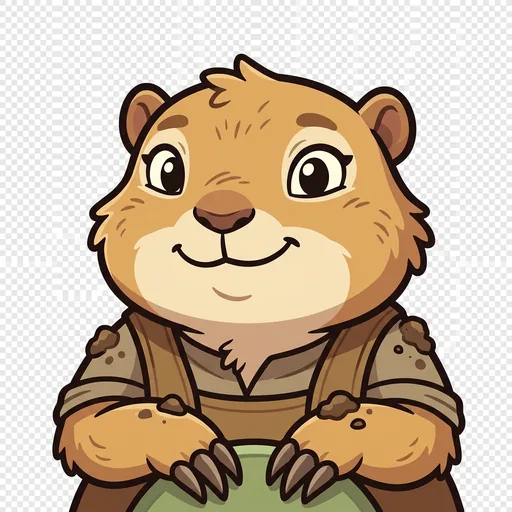
Burrow
Ecosystem engineers — some animals build homes for a hundred others; dig, and the neighborhood moves in
-
Graze
Keystone herbivores + grasslands — a grassland needs its grazers; eat, move on, keep the prairie alive
-

Kelp
Keystone species + trophic cascades — one keystone holds up a whole forest; pull it and everything topples
-
Silt
Sediment + ecological succession — new land is built one grain at a time; life moves in the moment it's ready