Kick
KICK — *five different parts of the foot, five different kicks. choose the foot-part for the job.*
Loading audio…
Press play to listen along. The line being read lights up as you go.
Show full transcript
Loading transcript…
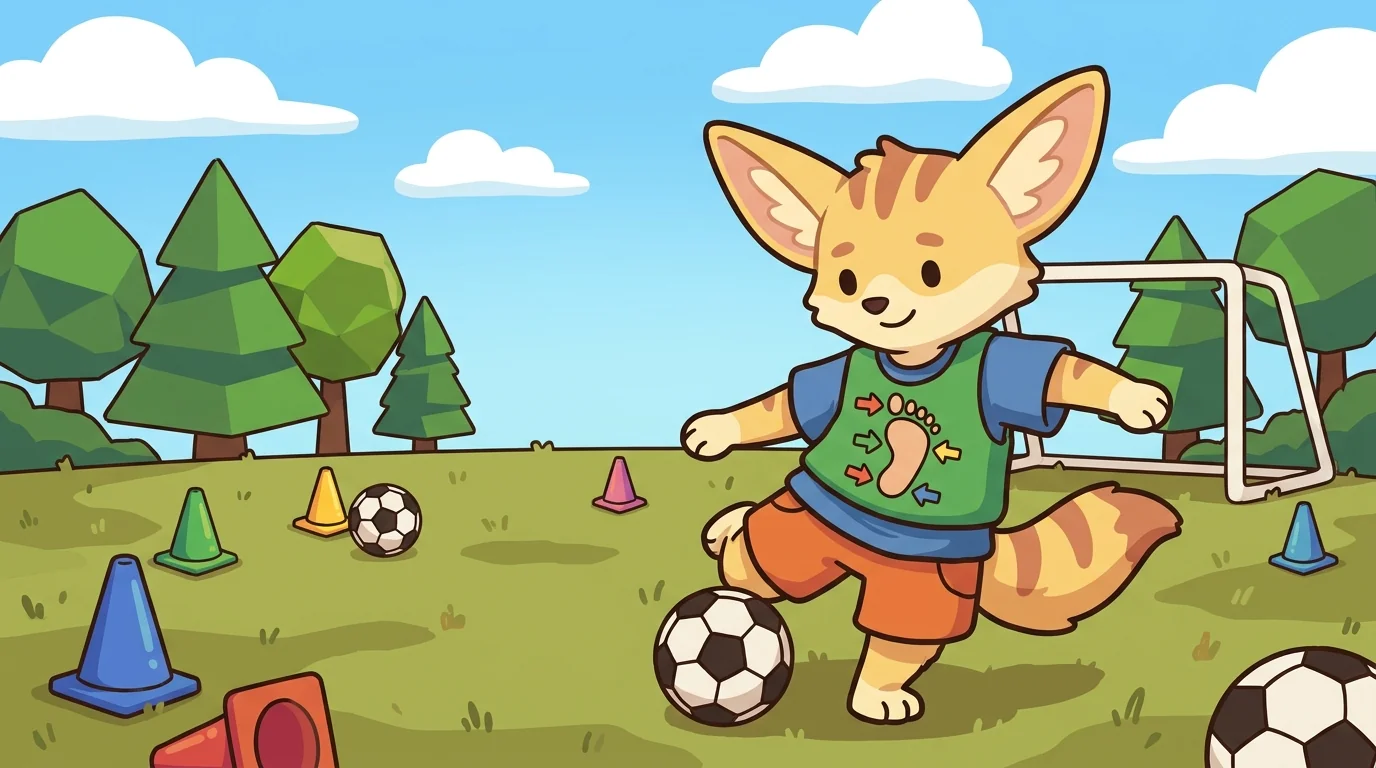
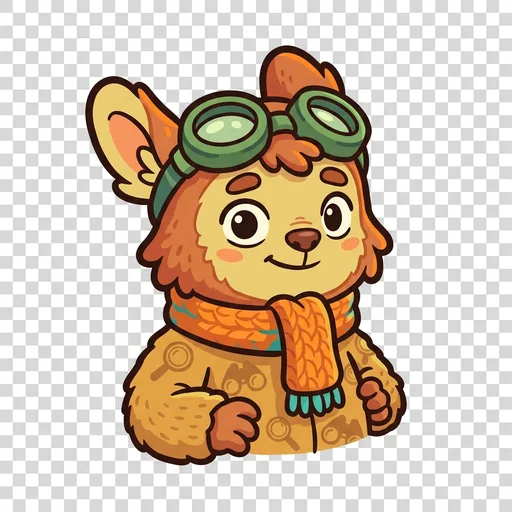
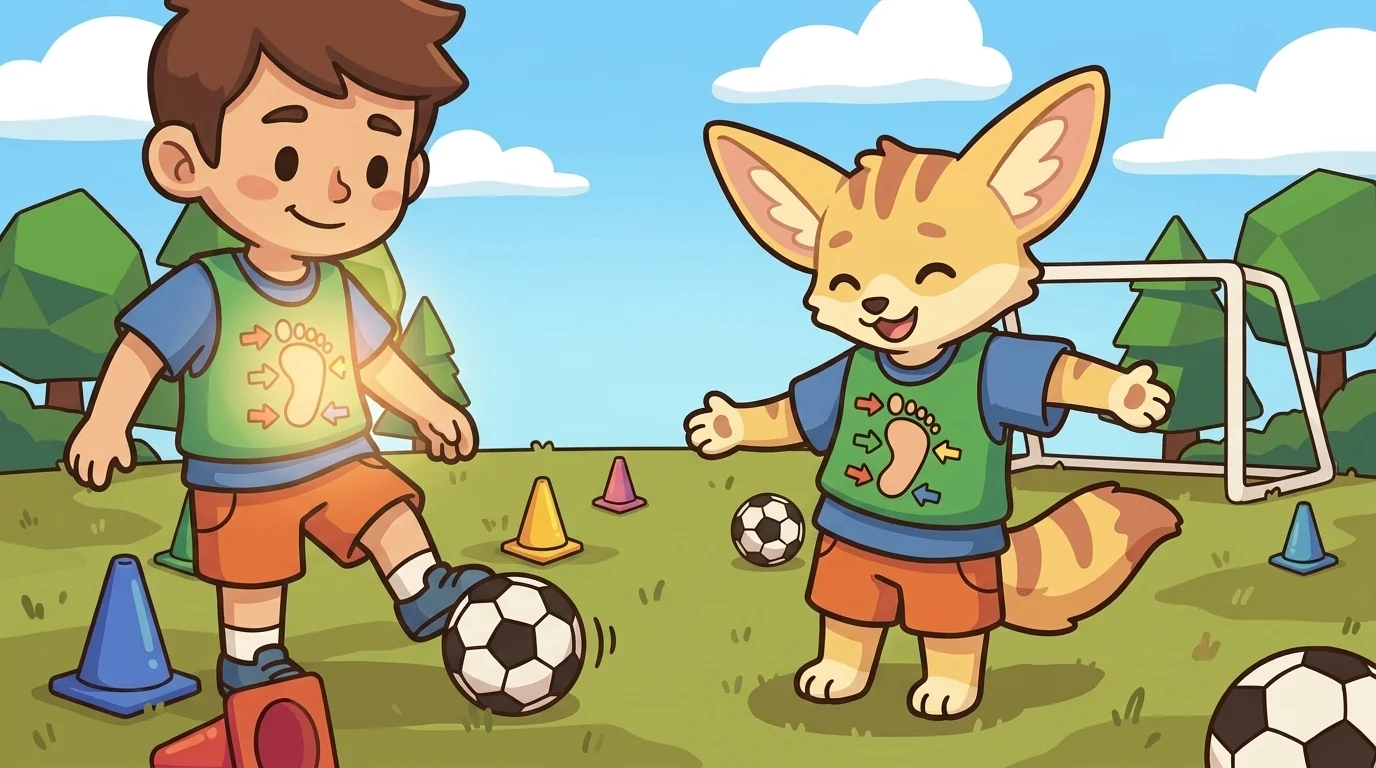
Kick is a fennec fox-kid — small and careful, warm sand-yellow with soft russet stripes — in loose comfy clothes and a chunky practice vest. On the vest is a little picture of a foot, marked with tiny arrows pointing to different spots: her impact-tracker, showing exactly where your foot should meet the ball.
Kick watches feet closely, always choosing the right part of her own foot for every kick. "Five different parts of the foot, five different kicks," she says. "Choose the foot-part for the job." She teaches foot-language — the idea that your foot isn't one big hammer, it's a toolbox with five surfaces: the flat inside for a gentle pass; the outside to make the ball curve; the instep (the laces) for a powerful shot; the toe for a quick poke; the heel to send it backward. "The right part of the foot for the right kick," she says. "It's about being exact, not just strong."
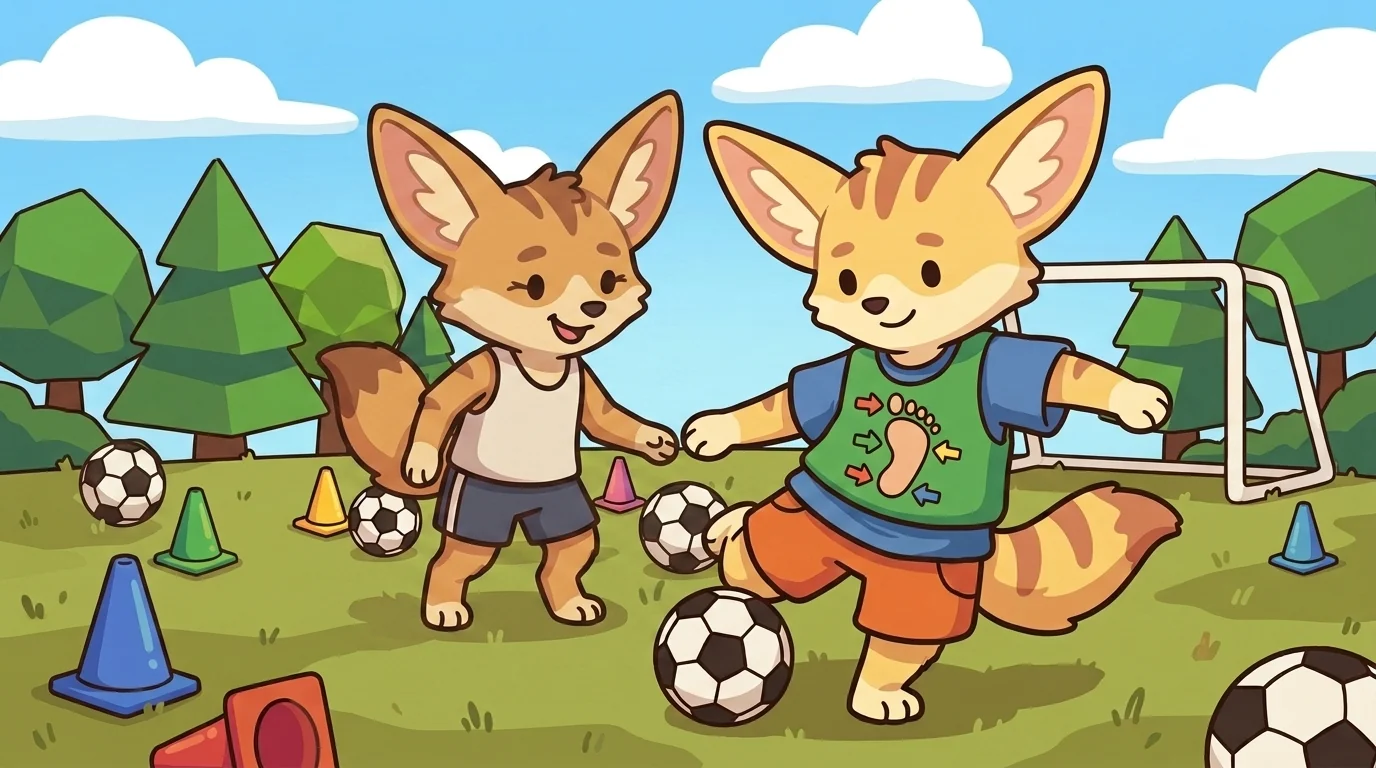
Kick discovered foot-language after a whole season of sore toes.
"When I was little," she says, "I kicked everything with my toe — as hard as I could. And the ball flew wild, and my toe hurt, and I figured I was just bad at soccer." She'd started to believe some kids were "natural" players and she wasn't one of them.
Then an older fox showed her something that changed everything. She turned her foot sideways and passed the ball with the flat inside — and it rolled clean and true, exactly where she aimed, with no effort and no pain at all. "I was stunned," Kick says. "It wasn't that I was bad — it was that nobody had ever shown me my foot had five tools, not one. The toe is just the loudest — it's the one that hurts when you kick wrong, so everybody learns it first. The quiet tools you have to be shown." That was the day Kick decided her job would be to show people — because foot-language, she'd learned, isn't a gift some kids are born with. It's a toolbox every kid already has.
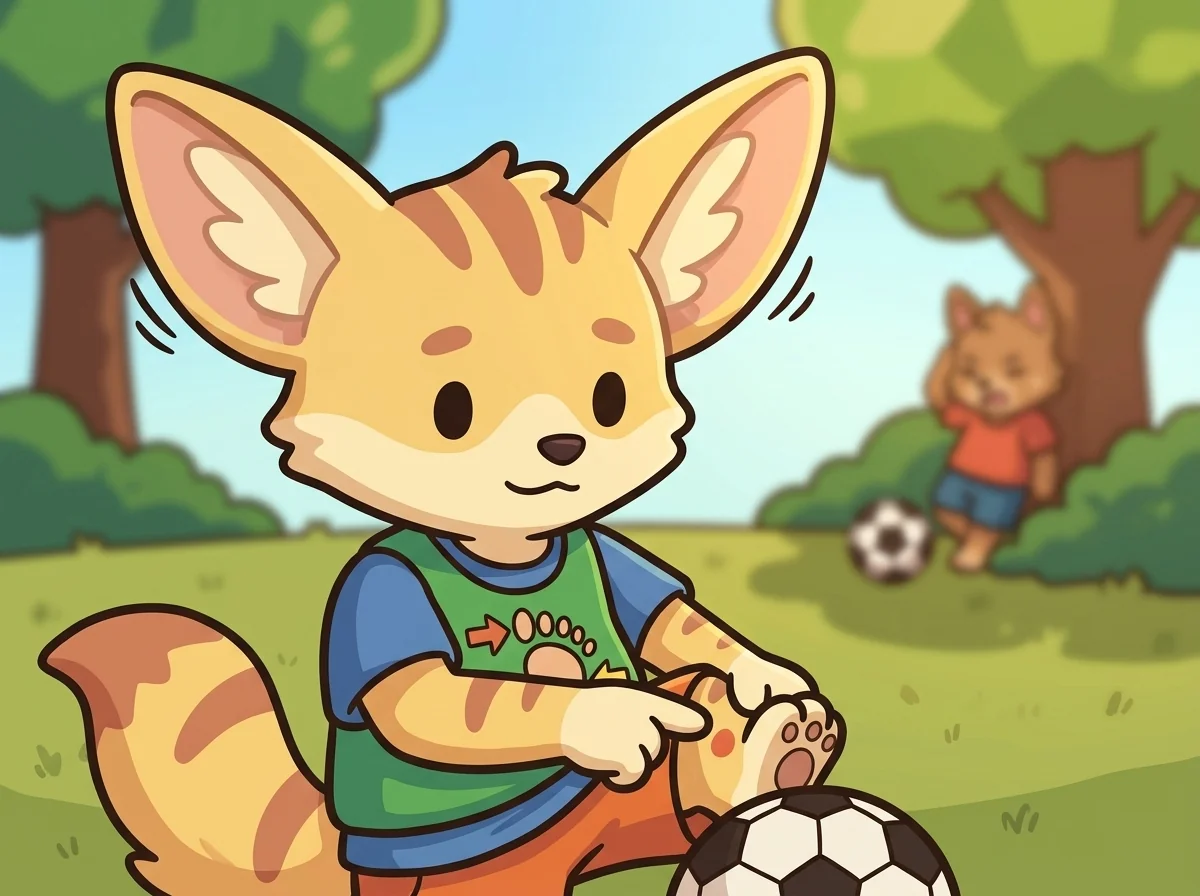
One sunny afternoon the whole cast was playing soccer in the backyard, and Dodge was trying to pass to Throw — but the ball kept flying wild. "It won't go where I want!" Dodge yelled. He kicked again; the ball bounced off a tree and rolled into the bushes. He threw up his hands and groaned.
Kick had been watching his feet, her big fennec ears twitching. She walked over, calm and clear. "You're using your toe," she said. "Toes are for poking — the ball squirts wherever your toe points."
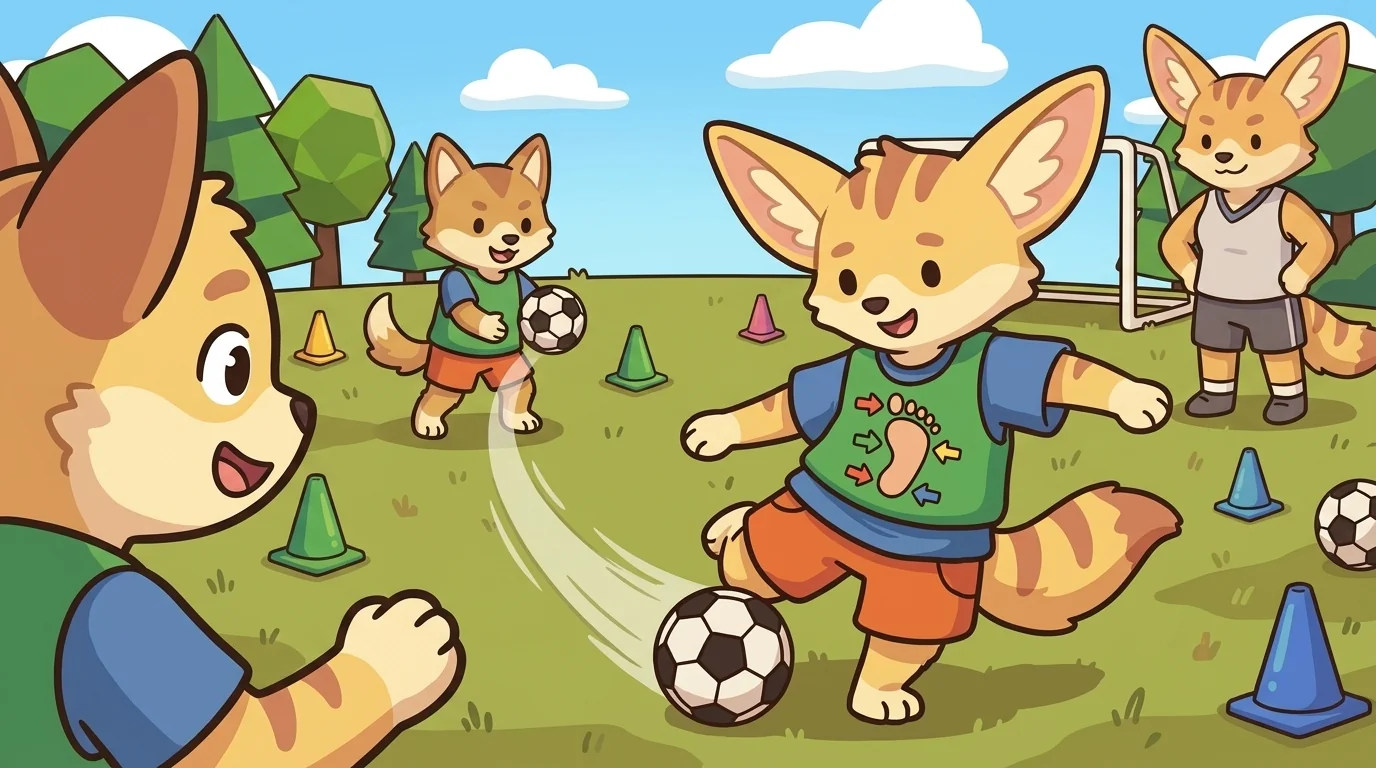
Dodge looked down, surprised — he hadn't even thought about it, he'd just kicked. "Try the inside of your foot," Kick said, and stepped up to show him: she turned her foot sideways, met the ball with the wide flat inside, and it rolled cleanly, straight to the target, stopping right where she wanted. It looked so easy. Dodge set the ball down, focused hard, turned his foot sideways, and hit it with the inside — and it rolled perfectly, right to Throw, who caught it easily. Dodge's eyes went wide and he laughed out loud: "I never knew! It actually worked!" "Most kids don't know," Kick shrugged. "The toe is the loudest teacher — it's the one that hurts. The inside is the quietest teacher; it just works. So everybody learns toe-kicking first, and nobody learns inside-passing until someone shows them. I'm just showing you." Coach Echo nodded from the sidelines: "Foot-language — a whole toolkit, hiding in a body part everyone already has." And it's for everyone, Kick made sure to say — every kid has the same five foot-surfaces, so it's never about being a "natural"; it's about being shown and practicing. People all over the world speak foot-language their own way: sepak takraw in Southeast Asia uses the inside and the instep; capoeira in Brazil weaves in sweeping kicks. All different, all good.
"So I'm not bad at soccer?" Dodge asked, grinning. "You just didn't know the toolbox yet," Kick said warmly. "Nobody's bad. Some kids just got shown sooner."
Dodge tapped the ball with the inside of his foot one more time, just to feel it roll clean and true — and a warm, glad feeling spread through his chest. It wasn't about being the strongest anymore, or a "natural," or the biggest kid on the field. It felt good — quiet and sure and capable — to finally know which part of his foot to trust. That quiet, sure, I-can-do-this feeling — surprise turning into confidence — was, to Kick, the very best part of the game to give away.
The ActiveForge ensemble
Kick is part of ActiveForge's distributed-narrative cast. Each character embodies a different curricular primitive; together they teach the full subject.
-
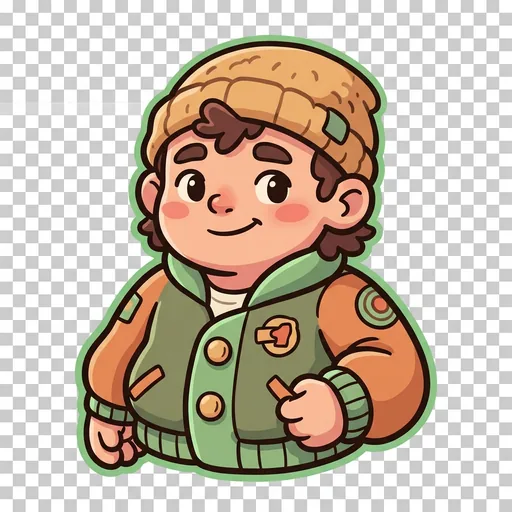
Throw
Overhand-projection motor pattern — targeted-force-at-distance trained-through-practice never-aptitude-test
-
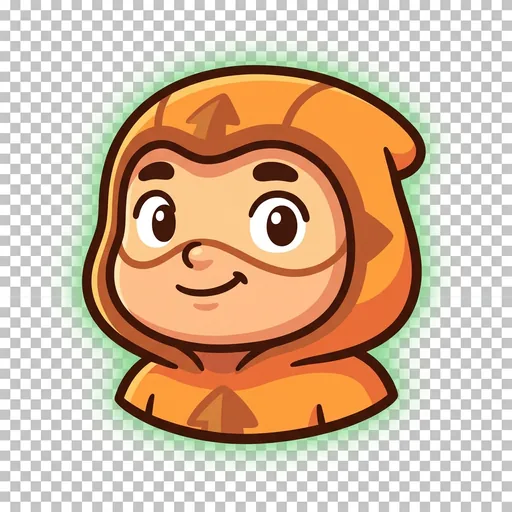
Dodge
Spatial-perception + agility — read-the-space-and-move-EARLIER not-faster; perception-game not speed-game
-
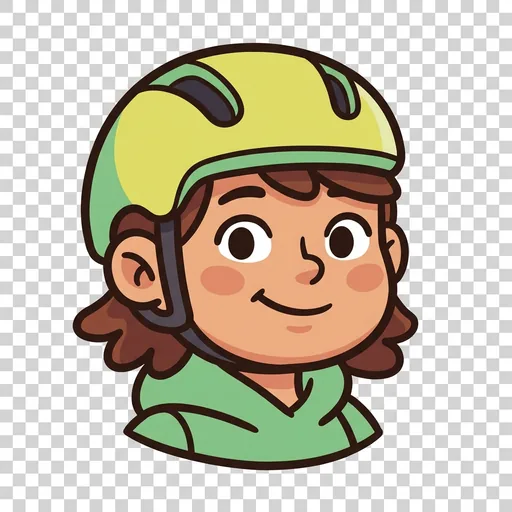
Roll
Tumbling + safe-fall + parkour-shoulder-roll — visible adaptive-PE helmet signals all-bodies-belong
-
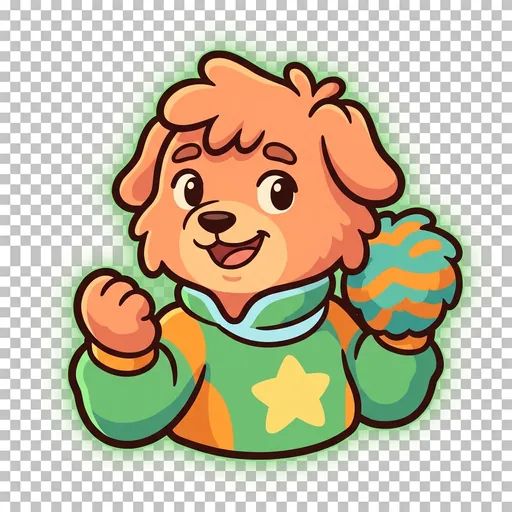
Cheer
Sportsmanship + bystander-presence-in-play — learnable-skill not personality-trait
-
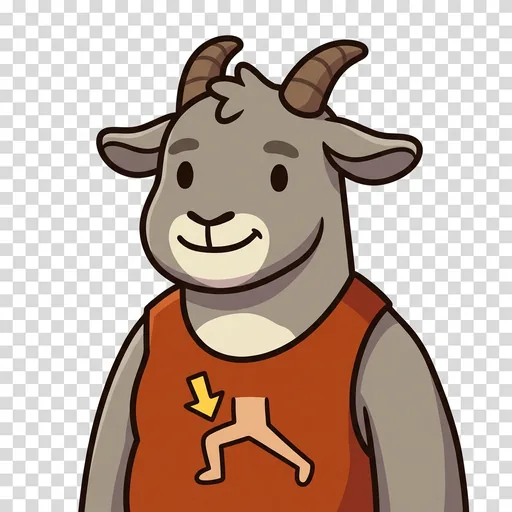
Lunge
Lunge — power lives low: sink the hips, load the back leg, then rise
-
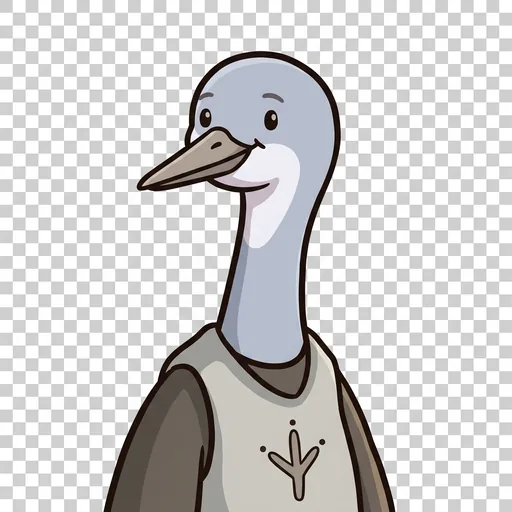
Poise
Poise — stillness is a move: find the base, then you can go anywhere
-
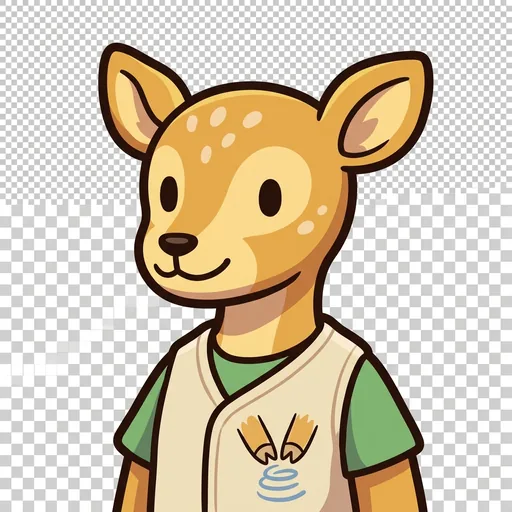
Prance
Prance — land light, spring high; heavy feet can't fly
-
Rally
Rally — the second wind is real: spend, recover, spend again
-
Swing
Swing — let the limb fall and rise like a rope; momentum is free power