Dodge
DODGE — *read the space and move EARLIER, not faster.*
Loading audio…
Press play to listen along. The line being read lights up as you go.
Show full transcript
Loading transcript…
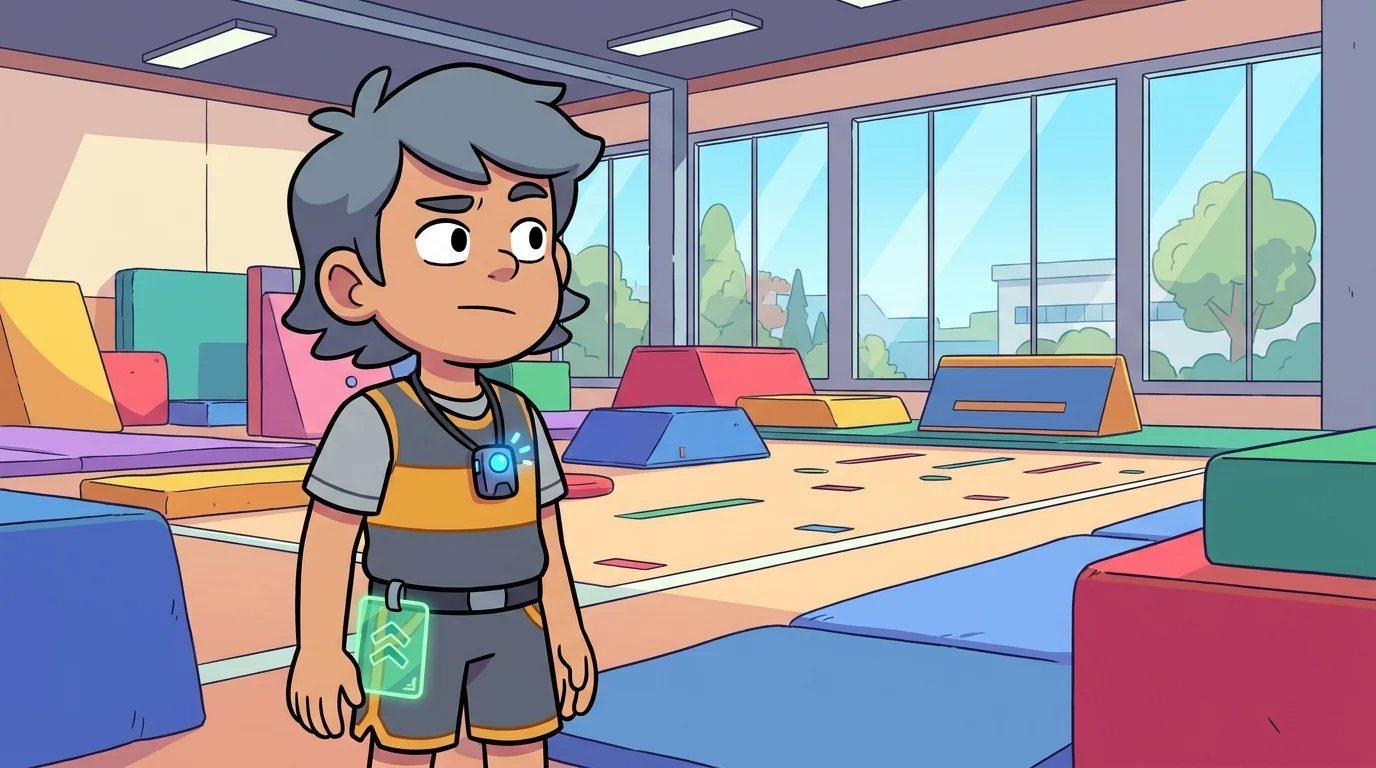
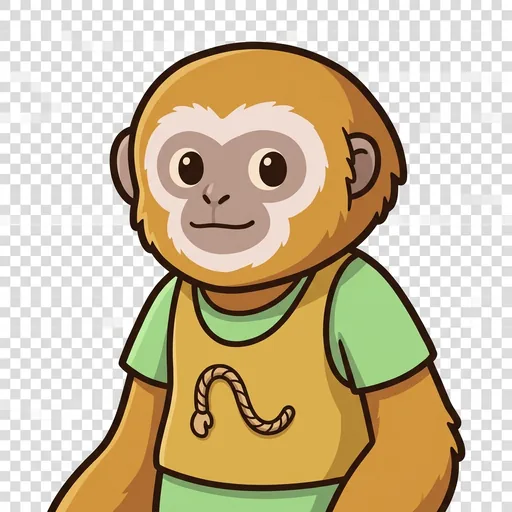
The best players aren't always the fastest. Sometimes they're just the ones who watch the most. That's Dodge — a blur of cool storm-grey with amber stripes flashing on their practice vest. Dodge isn't the biggest kid, and definitely isn't the fastest. But Dodge always seems to know things.
On the vest, a little space-tracker blinks — a soft, happy beep whenever Dodge spots something important — and a thin, clear read-card clipped to their belt glows faint green, lighting up with arrows: where a chaser might go, the best spot to move. Dodge's whole skill is spatial perception: seeing the space, reading how things move in it, and shifting before the chaser even decides. "Read the space," Dodge always says. "Move EARLIER, not faster. Earlier beats faster. Always."
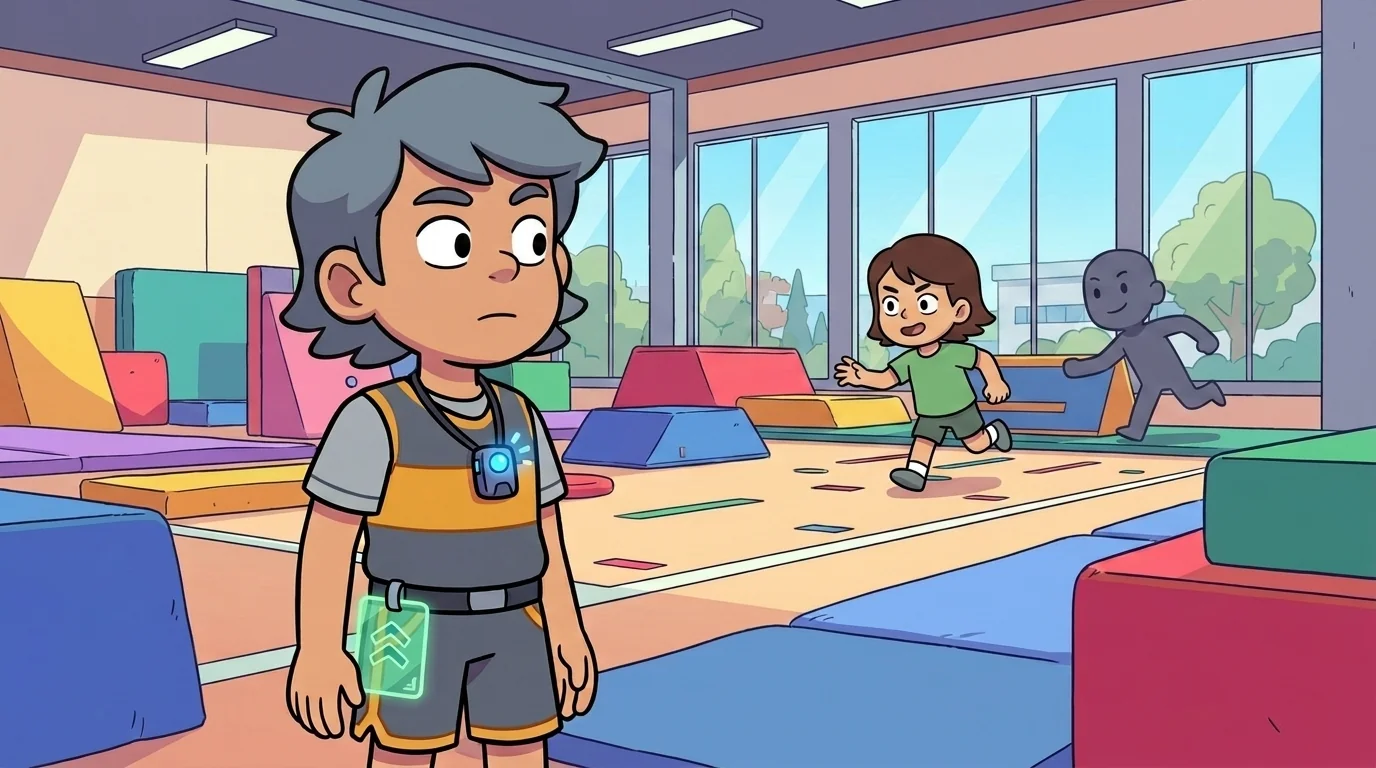
Dodge learned to watch instead of race on a day they simply couldn't win by running.
"When I was little," Dodge says, "I was one of the slower kids, and in tag I got caught every time. I ran as hard as I could — and it never mattered." It stung. Dodge started to think they just weren't a "sporty" kid, that some kids had it and some didn't.
Then, tired of losing, Dodge stopped trying to out-run everyone and started to watch. And a whole hidden world opened up: the chaser's shoulders dropping a half-second before they turned, their hips twisting before their feet moved. "I couldn't run faster," Dodge says, eyes bright. "But I could see sooner. And seeing sooner let me be somewhere new before the chaser even got there." That was the day Dodge learned the secret: getting away isn't about fast legs. It's about early eyes.
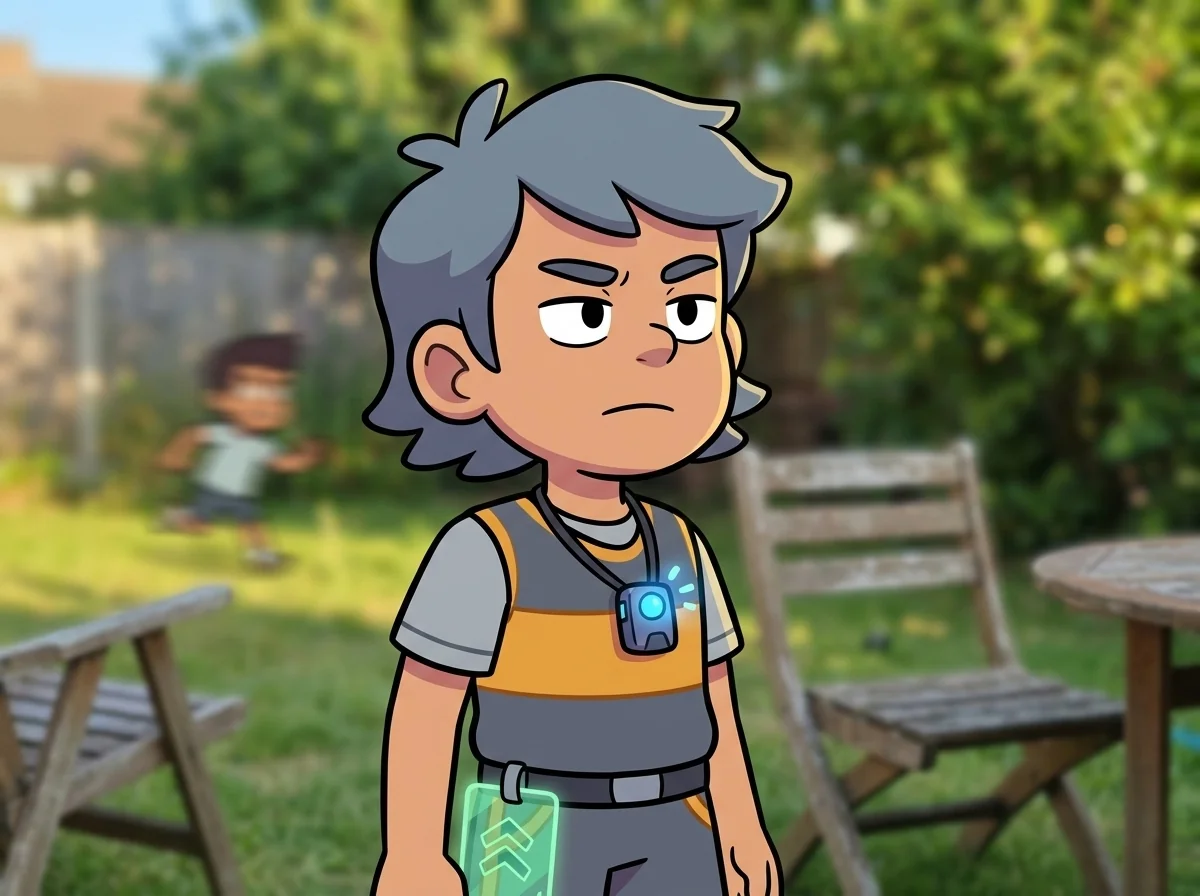
One afternoon the group was playing tag in the backyard, and Throw — a fast runner who loved being "it" — was chasing. He went for Cheer first. Cheer was quick too, legs pumping, but she ran in long straight lines a little too long. Throw closed in, lunged, and tagged her arm. "Gotcha!" "You're too fast, Throw!" Cheer sighed. "I can't get away."
Then it was Dodge's turn to be chased. Dodge wasn't faster than Throw — not even close, and Dodge knew it. But Dodge was watching.
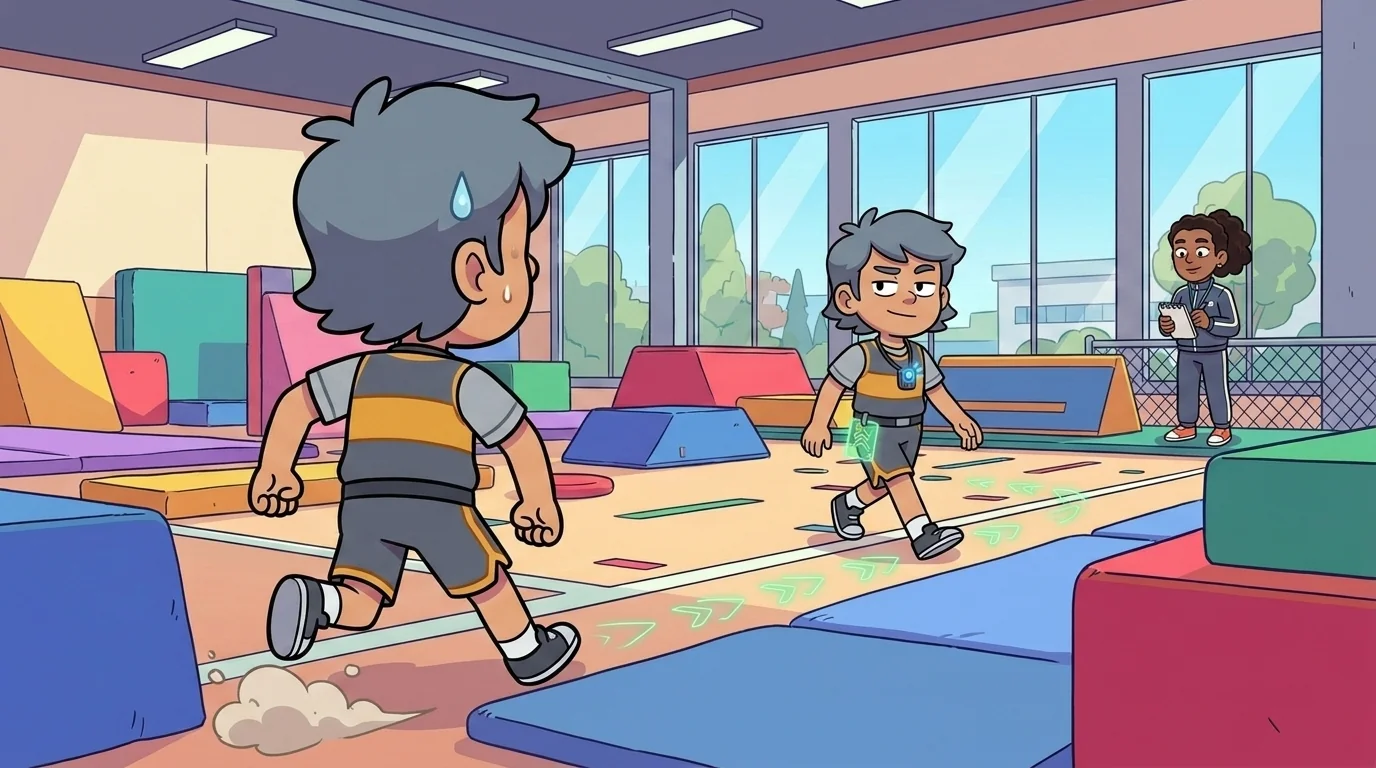
Throw grinned and ran straight at Dodge, sure he had them. Dodge kept a steady, flowing pace — no sprint — and let him get close. Then Dodge saw it: Throw's shoulders dropped a hair, his hips began to twist left — a tiny shift, before his foot even pushed off. Dodge didn't wait and didn't even think. Their body just cut hard to the right — one quick step — while Throw's feet hadn't yet landed for his left turn. Now Throw had to stop, turn his whole body around, and start over; he'd lost precious seconds, and Dodge had gained space, all at the same speed. Throw chased; Dodge dodged; Dodge never got caught, not once — not because their legs were special, but because their eyes were. Coach Echo watched from the fence, notebook in hand, and nodded slowly. "That's spatial perception," she said calmly. "And it's not a magic gift — nobody's born with it. It's a skill, learned like riding a bike. You practice watching: really watching, looking for the little clues, guessing the next move. Those guesses are the dodge — your body just follows what your eyes already saw." (And Echo was careful to add: it's got nothing to do with being the fastest or the biggest. Every kid can learn to read the space, in whatever body they've got.)
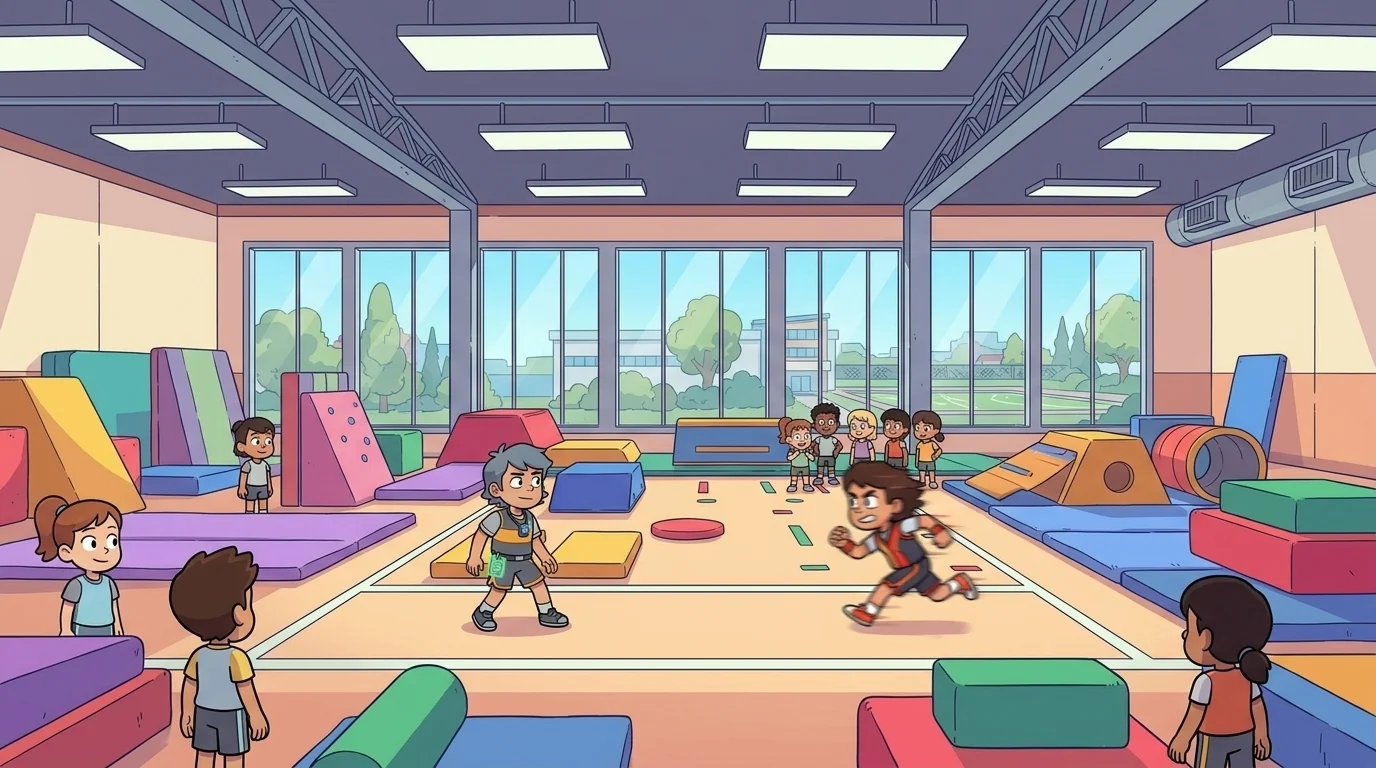
"So I can learn it, even though I'm slow?" a kid asked, hopeful. Dodge grinned. "Especially if you're slow. That's how I learned. Watch first — your feet will catch up."
Dodge cut one more quick step, easy and sure, and felt their shoulders go loose and light. Because here was the surprising thing about reading the game: when you really see it, you stop feeling rushed. The panicky, can't-get-away feeling from the slow-kid days was gone. In its place was a calm, quick, sure-of-yourself feeling — steady, unhurried, like you had all the time in the world, even with a fast kid bearing down on you. That calm, early-eyed, all-the-time-in-the-world feeling — no longer the slowest, just the one who saw first — was, to Dodge, the very best part of the game.
The ActiveForge ensemble
Dodge is part of ActiveForge's distributed-narrative cast. Each character embodies a different curricular primitive; together they teach the full subject.
-

Throw
Overhand-projection motor pattern — targeted-force-at-distance trained-through-practice never-aptitude-test
-

Kick
Lower-body projection — foot-language with five-different-parts-of-foot for different kicks
-
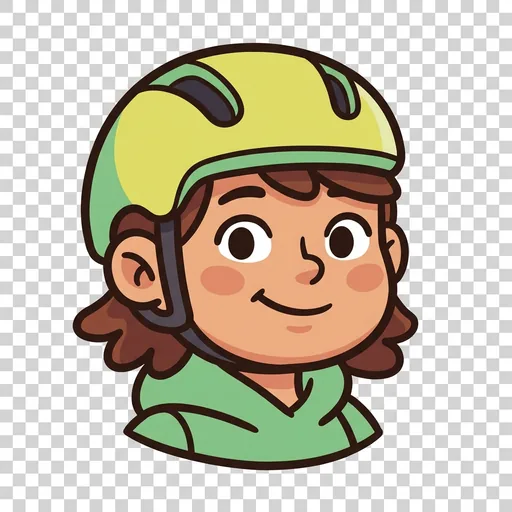
Roll
Tumbling + safe-fall + parkour-shoulder-roll — visible adaptive-PE helmet signals all-bodies-belong
-
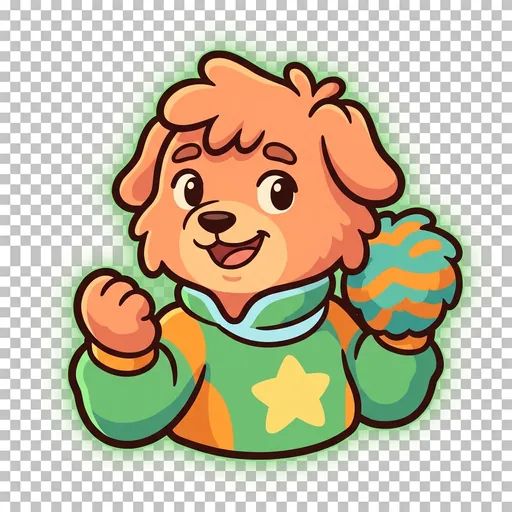
Cheer
Sportsmanship + bystander-presence-in-play — learnable-skill not personality-trait
-

Lunge
Lunge — power lives low: sink the hips, load the back leg, then rise
-
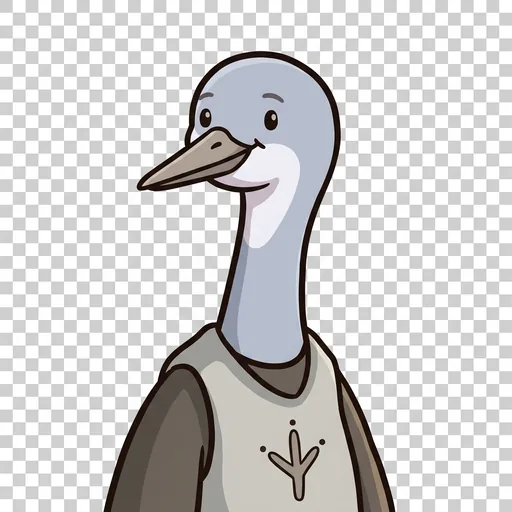
Poise
Poise — stillness is a move: find the base, then you can go anywhere
-
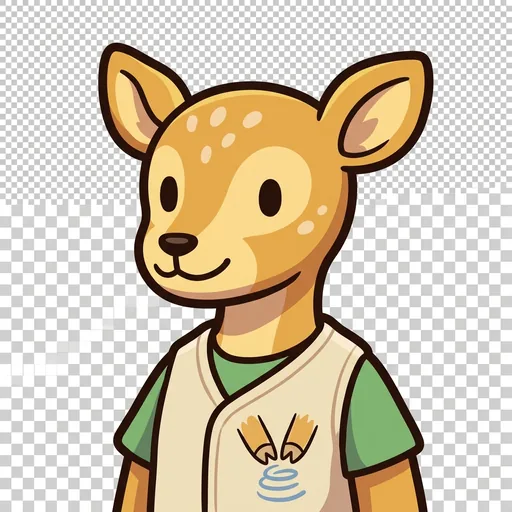
Prance
Prance — land light, spring high; heavy feet can't fly
-

Rally
Rally — the second wind is real: spend, recover, spend again
-
Swing
Swing — let the limb fall and rise like a rope; momentum is free power