FlipbookForge
How are you feeling?
Where this idea comes from
The flipbook
In 1868 John Barnes Linnett, a printer in Birmingham, patented the kineograph: a little book of pictures, each a bit different from the last, that seemed to move when you flicked the pages with your thumb. Ten years later, in 1878, Eadweard Muybridge photographed a galloping horse in a row of quick pictures and showed that all four hooves leave the ground.
One thing to hold: A stack of pages, the same place on each one, and a thumb to flick them.
Why it matters: A flipbook only works if each page follows the rules of the world: a ball that hits the wall comes back, a cat that walks behind a box is still there. A machine that only guesses the next picture from the last two does not know those rules, and its flipbook slowly goes wrong.
What we don’t know: Do babies know that a hidden thing is still there? Jean Piaget (1937) saw babies start to search for a hidden toy at about eight months, and thought the full idea came later still. In 1985 Renée Baillargeon and colleagues found that five-month-olds looked longer when a screen seemed to swing right through the place where a hidden box was. Other researchers argue that longer looking may only mean the babies noticed something new. The debate goes on.
Dates:
- 1868 Linnett patents the kineograph.
- 1878 Muybridge’s galloping horse, picture by picture.
- 1937 Piaget writes about hidden objects and babies.
- 1985 Baillargeon: babies look longer when a screen seems to pass through a hidden box.
Meet the cast — the characters who teach this
-
 Pencilla draws each frame by the rules of the world: the ball bounces, the door stays, the cat is still there behind the box
-
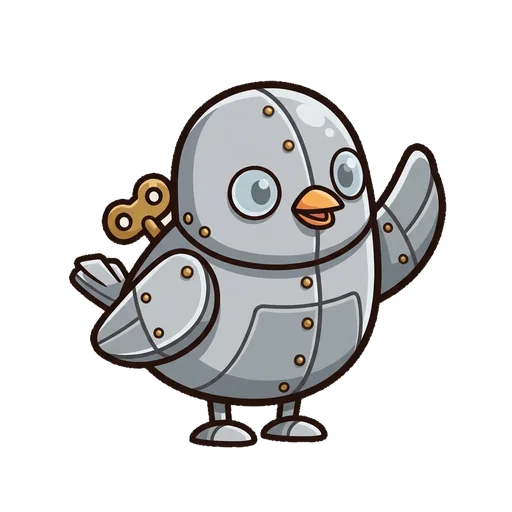 Guessit A tin bird that predicts - looks only at the last two pictures and keeps going the same way, so it is right for a while and then drifts
-
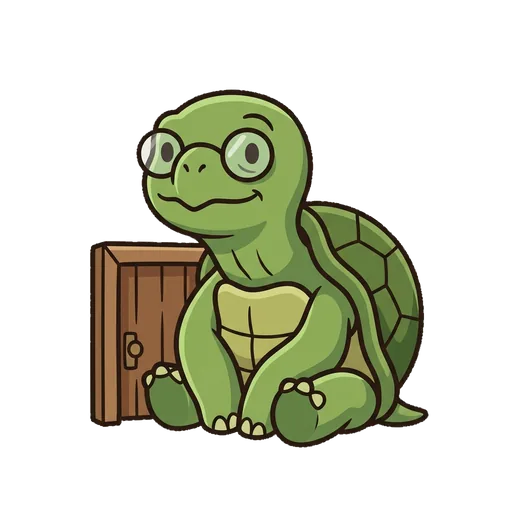 Stayput A tortoise who does not move unless something moves it - a door or a wall stays where it is, frame after frame
-
 Smudger A raccoon who keeps the hidden things in mind - a cat behind a box is still there, even when you cannot see it
-
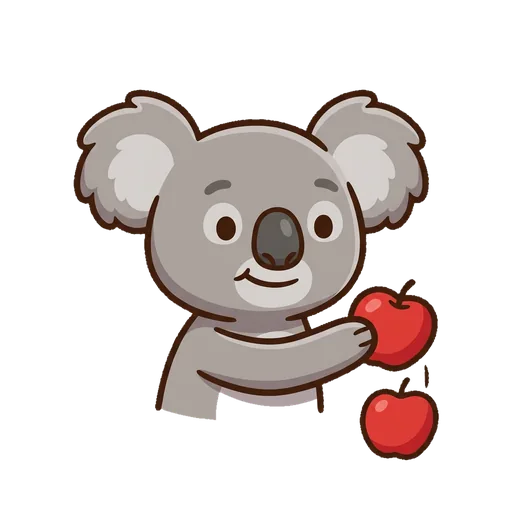 Dropsy A koala who lets things go to watch them fall - things fall down unless something holds them up
-
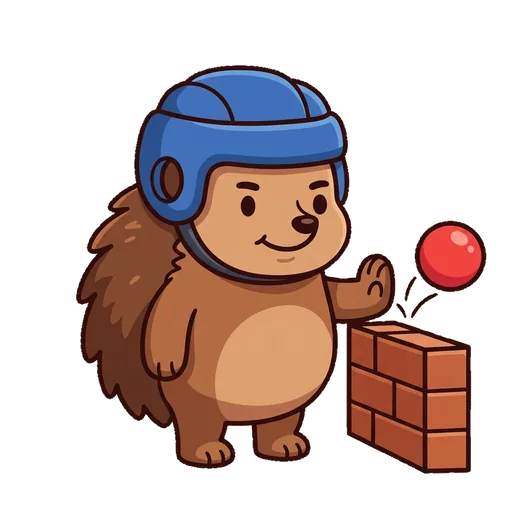 Bumper A hedgehog in a little helmet - two solid things cannot pass through each other, so a ball stops or bounces at a wall
-
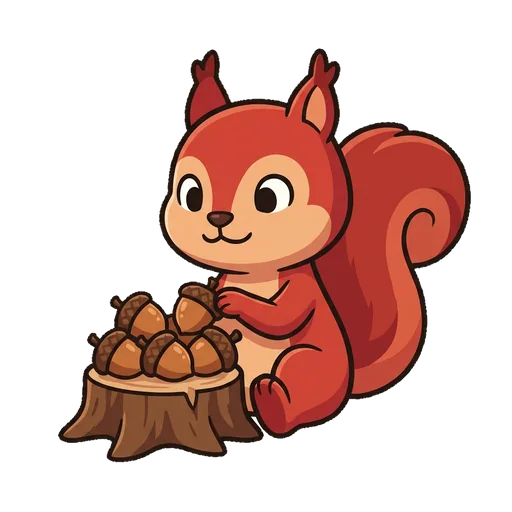 Evercount A squirrel who counts the acorns - the number of things stays the same unless something adds one or takes one away
-
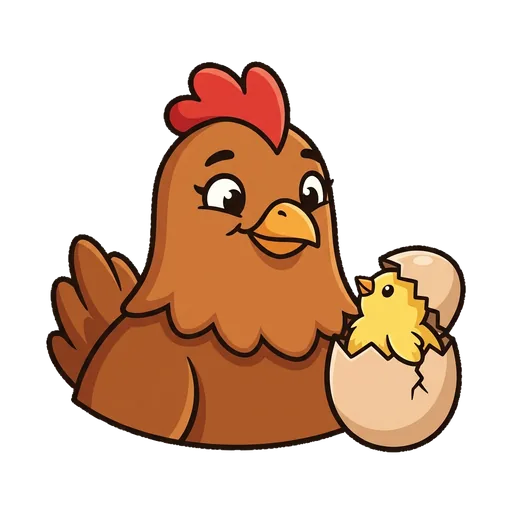 Oneway A hen with an egg - some changes only go one way, so a cracked egg does not uncrack and the pictures have an order
-
 Keepshape A beaver who measures with a stick - a thing keeps its size and shape as it moves, so a ball does not stretch
-
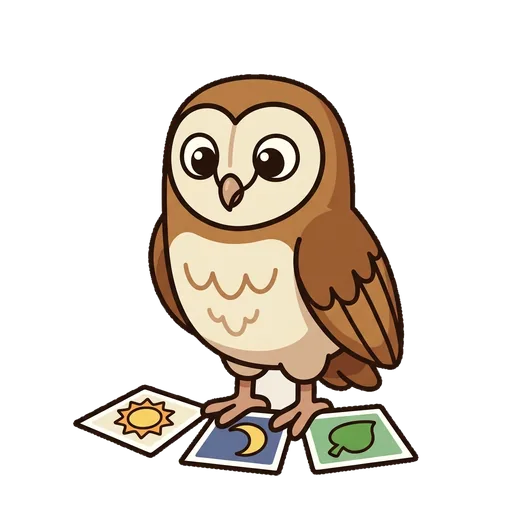 Longlook An owl who looks further back - to tell where something is going, look at more than the last two pictures
What next? Pick a door
- More like this TinkerForge Change one line: what changes? TraceForge What will this program print? SortTales Which sort is fastest for this list?
- A bit harder BugTales Which line is the bug on? CommandForge Which command builds the world you want? GateForge Which gates make the light come on?
- Something different CircleQuest Which reading job will you take? IllusionForge What is your eye really seeing? CivicForge How would your town council vote?