Claim
CLAIM — *what EXACTLY is being asserted? distinguish claim from opinion from feeling from prediction.*
Loading audio…
Press play to listen along. The line being read lights up as you go.
Show full transcript
Loading transcript…
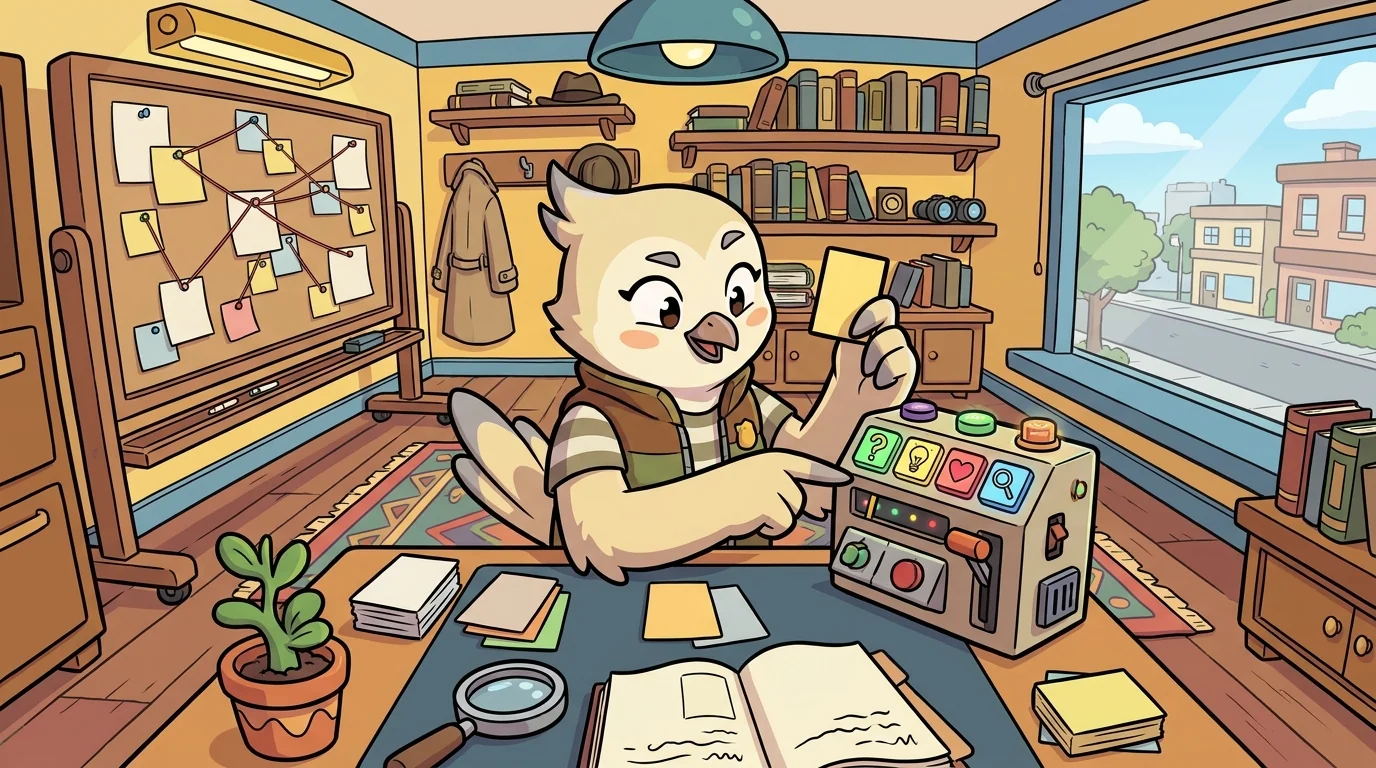
Claim is a mockingbird-tween with warm cream feathers edged in soft grey, sharp ears, and a chunky investigator vest. She carries a small set of claim-cards and an assertion-tracker, and she pays very close attention to words — because she always wants to know what someone really said.
Claim teaches claim-identification — a detective skill for words. "What EXACTLY is being said?" she likes to ask. "Is it a claim? An opinion? A feeling? A prediction? Or just a question?" Because these are all different kinds of words, and each one needs a different response. A factual claim you can check ("the bell rings at 8:00"). An opinion is what someone likes ("chocolate is best"). A feeling is about the speaker ("I feel nervous"). A prediction is a guess about the future ("it'll rain tomorrow"). A question just asks. "Sort them first," Claim says, tapping a card. "Then you'll know which tool to use."
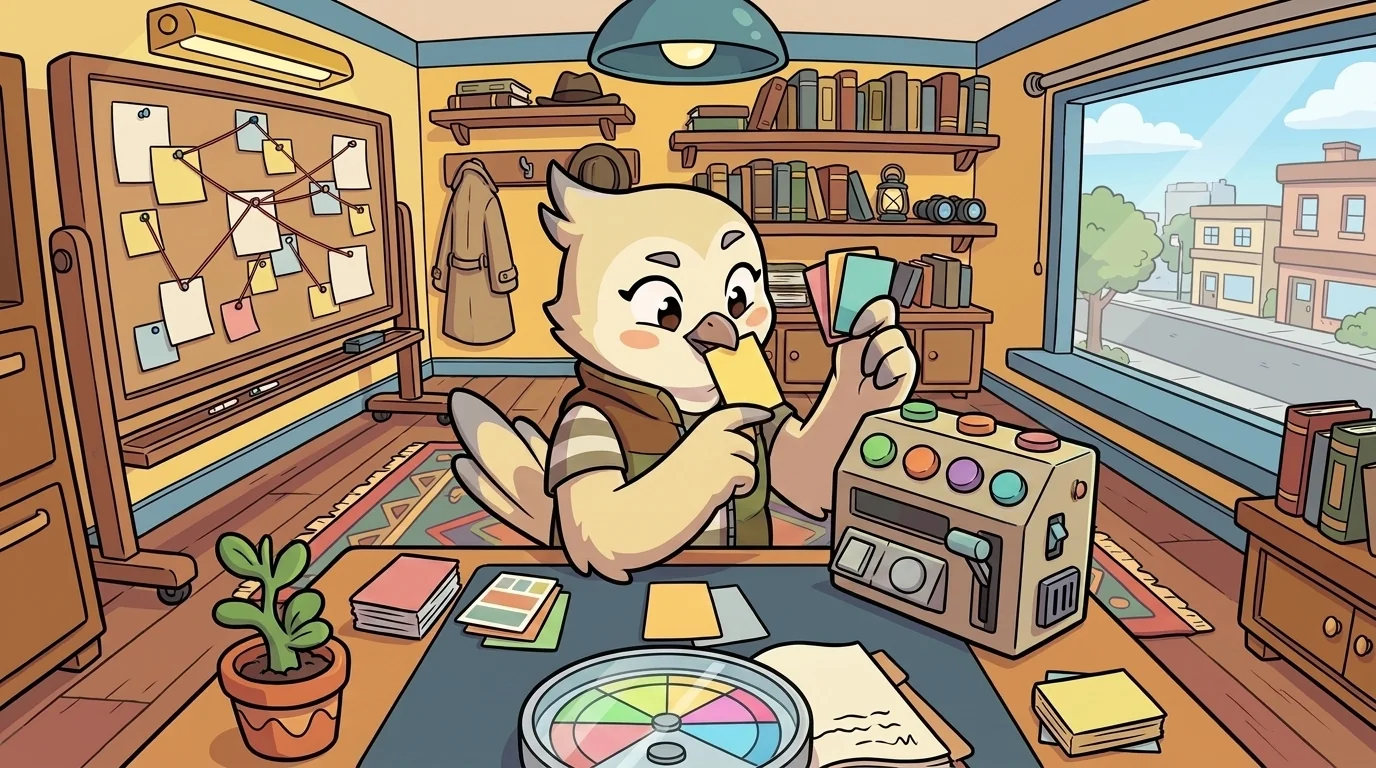
Claim grew up near quiet hedges, in a family of mockingbirds — birds famous for telling apart dozens of different birdsongs.
She learned her whole craft the day she got the songs wrong. As a young bird, she once heard a rustle and a chirp and panicked — she was sure it was a hawk's cry, and she raised the alarm for the whole hedge. But her grandmother cocked her head, listened calmly, and said, "Slow down, little one. Name what you hear first." And when Claim really listened, it wasn't a hawk at all — it was just a sparrow, singing. "I'd reacted before I'd even sorted the sound," Claim says, still a little embarrassed. "My grandmother told me the mockingbird's first rule: the first thing you do is name what you hear. Not react — name." She's sorted before responding ever since — with sounds, and with words.
When Claim was twelve, she walked to the big Truth Tribune. Veritas, her mentor, asked, "What is claim-identification?"
Claim stood tall. "It's asking 'What EXACTLY is being said?' — telling apart a claim, an opinion, a feeling, and a prediction. You sort first. That's the skill."
Veritas smiled. "You are appointed."
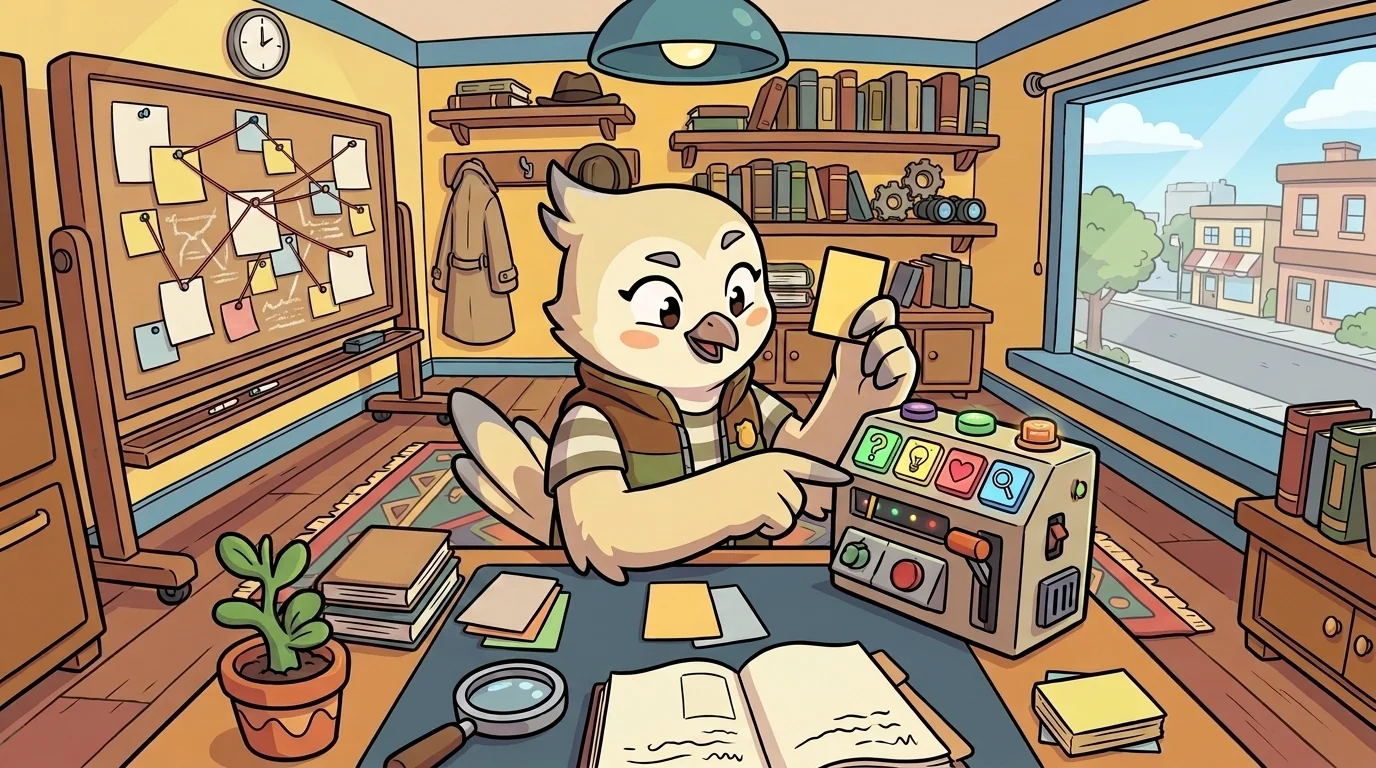
In her workshop, Claim spreads her cards. "Watch." She sorts five made-up statements. "'Pizza is the best food' — that's an opinion, not a claim; you can't prove it, it's just how someone feels. But 'more people in this town eat pizza than salad' — that's a claim! You can check it. 'I feel nervous about pizza' — that's a feeling; it's about the person. 'Pizza will cost more next year' — that's a prediction; we'll find out later. 'What time is the pizza party?' — that's a question. Each one needs a different tool." Then she teaches the steps: know the types (claim, opinion, feeling, prediction, question); sort first — before you respond, ask "what kind of words are these?"; use the right tool — for a claim, look for proof and check the source; for an opinion, talk about what people care about; for a feeling, listen and understand; for a prediction, wait and see. Watch for mixed words — "'Pizza is best because it sells the most' is an opinion and a claim; sort both parts." And what not to do: don't argue with a feeling (you can't prove someone's feeling wrong), don't demand proof for an opinion ("chocolate's better!" needs no science report), and never skip sorting — "that's where most misunderstandings start." (All her examples, she's careful to note, are made-up and friendly — pizza and ice cream, never anything that could hurt or divide people.)
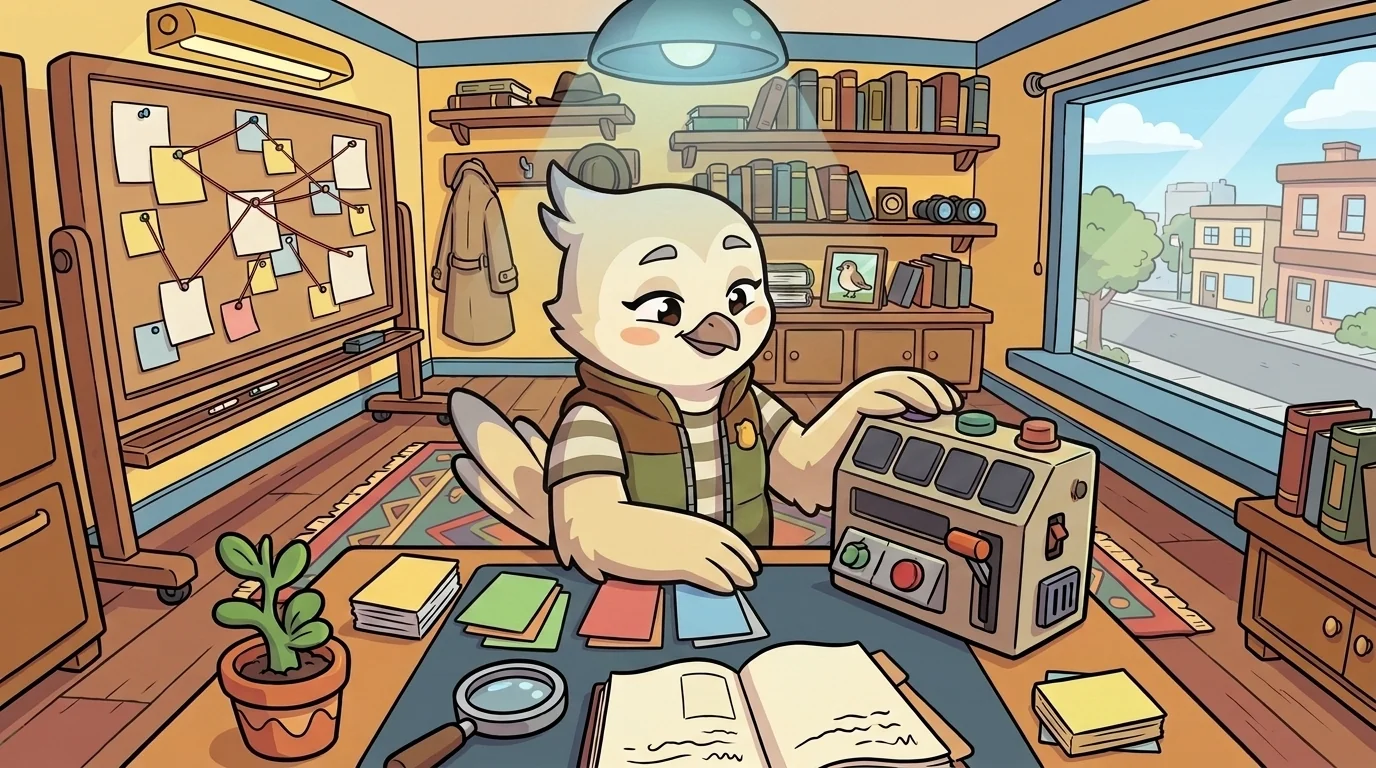
"Isn't figuring out what someone really said hard?" a student asked her once. Claim tilted her head, sharp ears listening. "It isn't hard. It's just: sort the words first, then respond. Most misunderstandings start when you skip the sorting."
And she felt, as she always did after sorting a tangle of words into neat little cards, a quiet, cool relief spread through her — the calm, steady feeling of not being swept up, of pausing to understand before getting upset. It was the same relief she'd felt as a young bird when the "hawk" turned out to be a sparrow: the racing heart slowing, the alarm settling, the world coming back into focus. That calm, sorted-it-out-first feeling — steady instead of spun-up — was, to Claim, the very best part of listening well.
The TruthQuest ensemble
Claim is part of TruthQuest's distributed-narrative cast. Each character embodies a different curricular primitive; together they teach the full subject.
-

Weigh
Credibility-evaluation — who's in a position to KNOW? what stake? calibration not verdict (shared design language with DebateForge Weigh)
-

Trace
Evidence-traceback — where does this claim ORIGINATE? what's the chain? open four tabs; follow it back
-

Update
Belief-revision — being WRONG is how knowledge MOVES; visibly carry old-guess and new-guess as data (shared design language with DebateForge Yield)
-

Wonder
Epistemic-humility — 'I don't know yet' is the START of knowing; trust calibrated to evidence; counter-cynicism
-
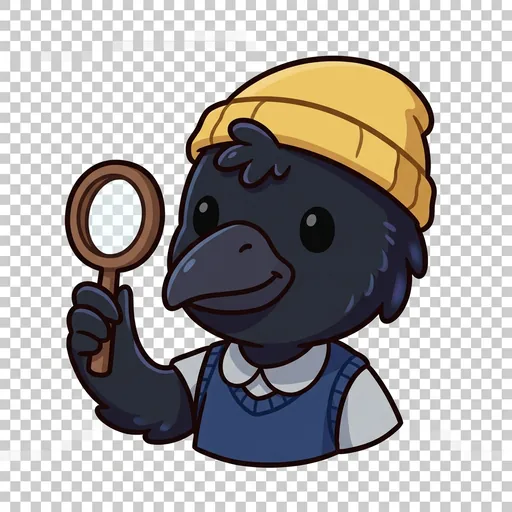
Prove
Falsifiability — what would change my mind? a belief you could NEVER be proven wrong about isn't strong, it's just stuck
-
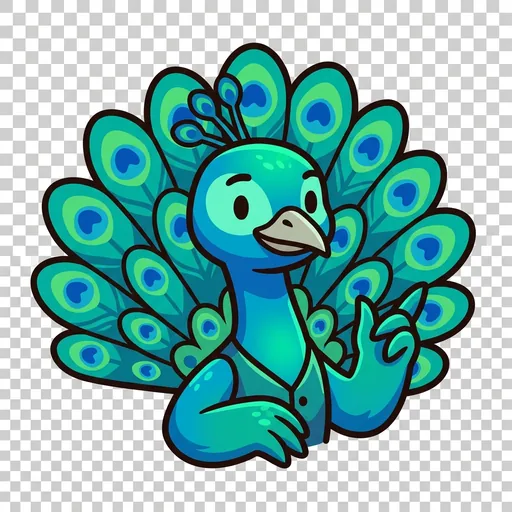
Vivid
Anecdote vs. data — one dramatic story feels truer than a hundred quiet ones; ask: is this ONE story, or the whole picture?
-

Norm
Base rates — before you panic at a scary number, ask how OFTEN it usually happens; most 'shocking' things turn out normal
-
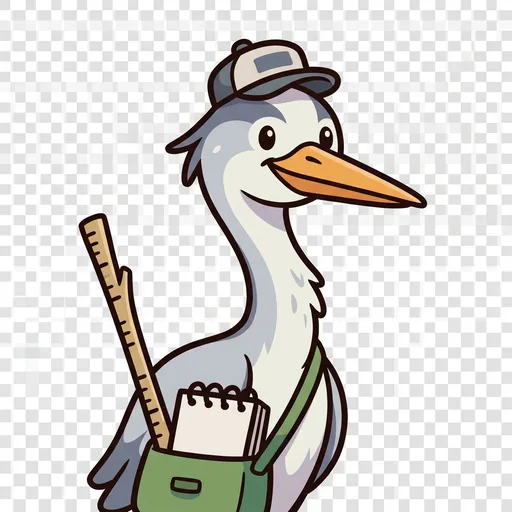
Yardstick
Context — 'a lot' and 'a little' mean nothing on their own; always ask: compared to WHAT?
-
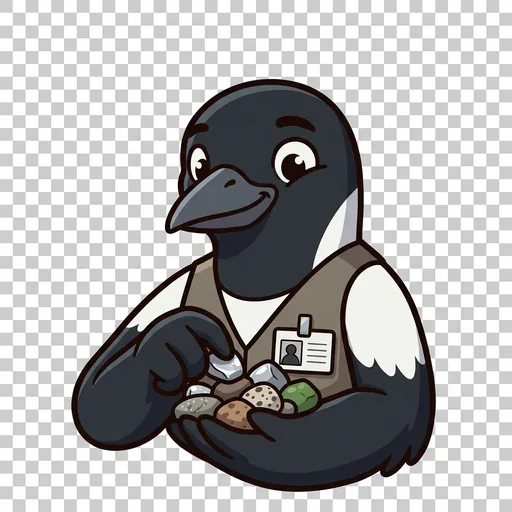
Cull
Cherry-picking / representativeness — anyone can find a few examples for anything; the real question is what got LEFT OUT?