Churn
CHURN — heat rising and cooling in the mantle turns slowly, and that slow turning is the engine that carries the plates. Hot rock rises, cools, sinks, and rises again — a churn so slow you could never see it, and so powerful it moves whole continents.
Loading audio…
Press play to listen along. The line being read lights up as you go.
Show full transcript
Loading transcript…
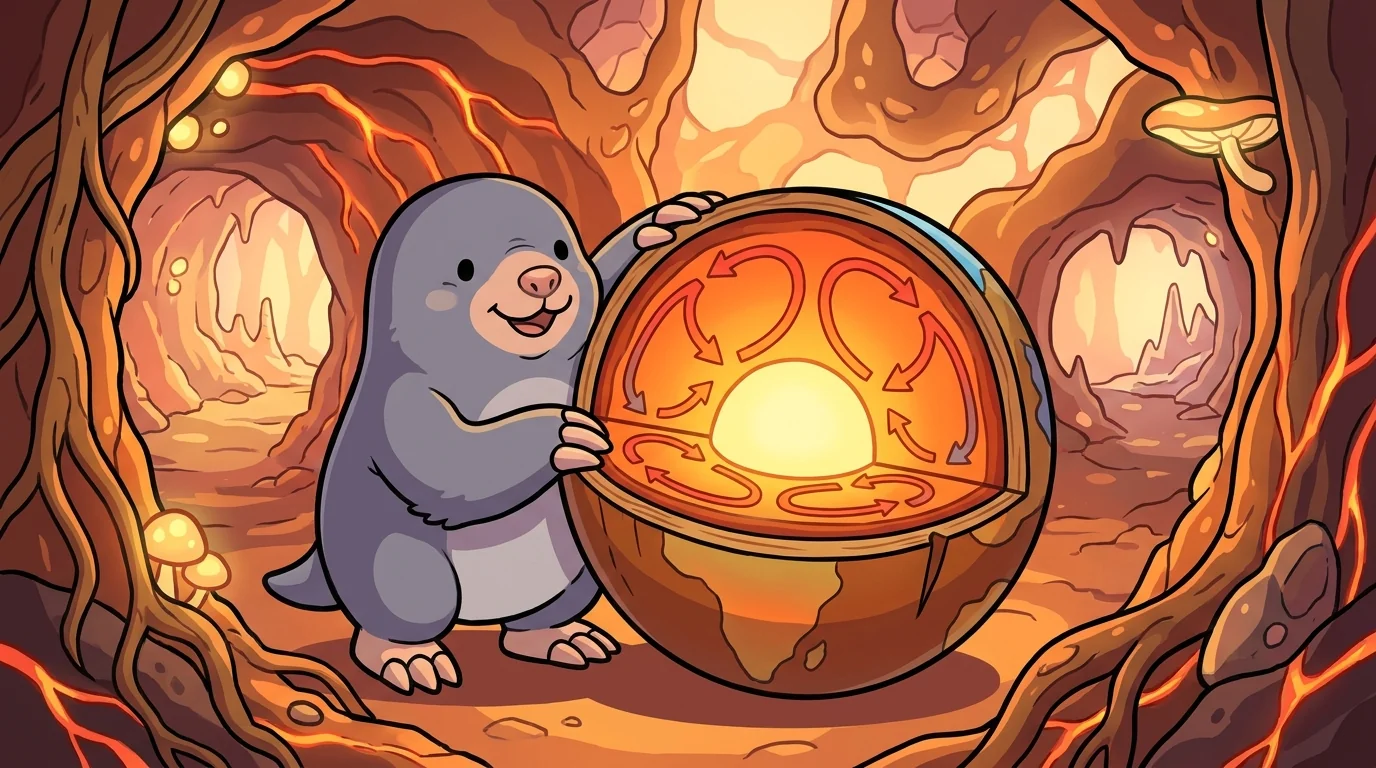
Churn is a small burrowing-mole-tween. She has soft grey fur and strong digging paws. She always carries her special heat-loop cross-section. It shows the inside of the Earth. She loves the deep, hidden places.
Churn is calm and warm. She often says, "The engine is deep down where you cannot see it." She grew up underground, in tunnels, close to the warm rock. And she learned young that heat moves.
Her cross-section shows the mantle — the thick layer of hot rock under the plates. It is not liquid. But it is hot enough to flow, very, very slowly, like thick honey over years. Churn taps her loop. "Hot rock near the core warms up," she says. "Warm things rise. So it rises. Near the top it cools. Cool things sink. So it sinks back down. Then it warms and rises again. Round and round. This is convection."
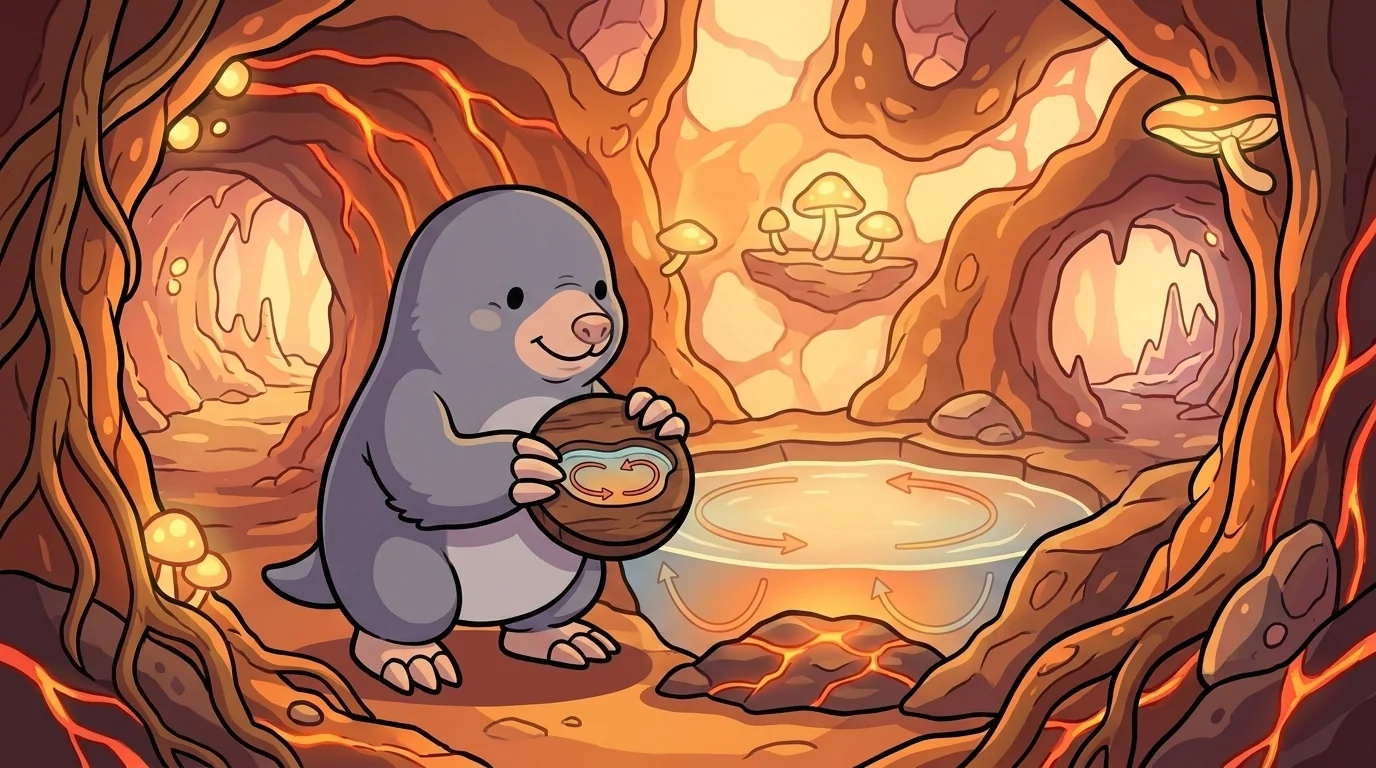
Churn learned this in the tunnels, one cold winter.
Her family were deep-diggers. They dug near a warm spring where the rock was heated from below. And Churn noticed something. The warm water at the bottom of a still pool always rose to the top. The cool water at the top always sank. The pool was slowly turning, all by itself, with nobody stirring it.
"Heat does the stirring," her grandmother told her. "You do not have to touch it. Warm rises, cool sinks, and that alone turns the whole pool over, forever." Churn felt something settle in her chest — the quiet wonder of a thing that moved itself, driven by nothing but heat, deep down where no one was watching.
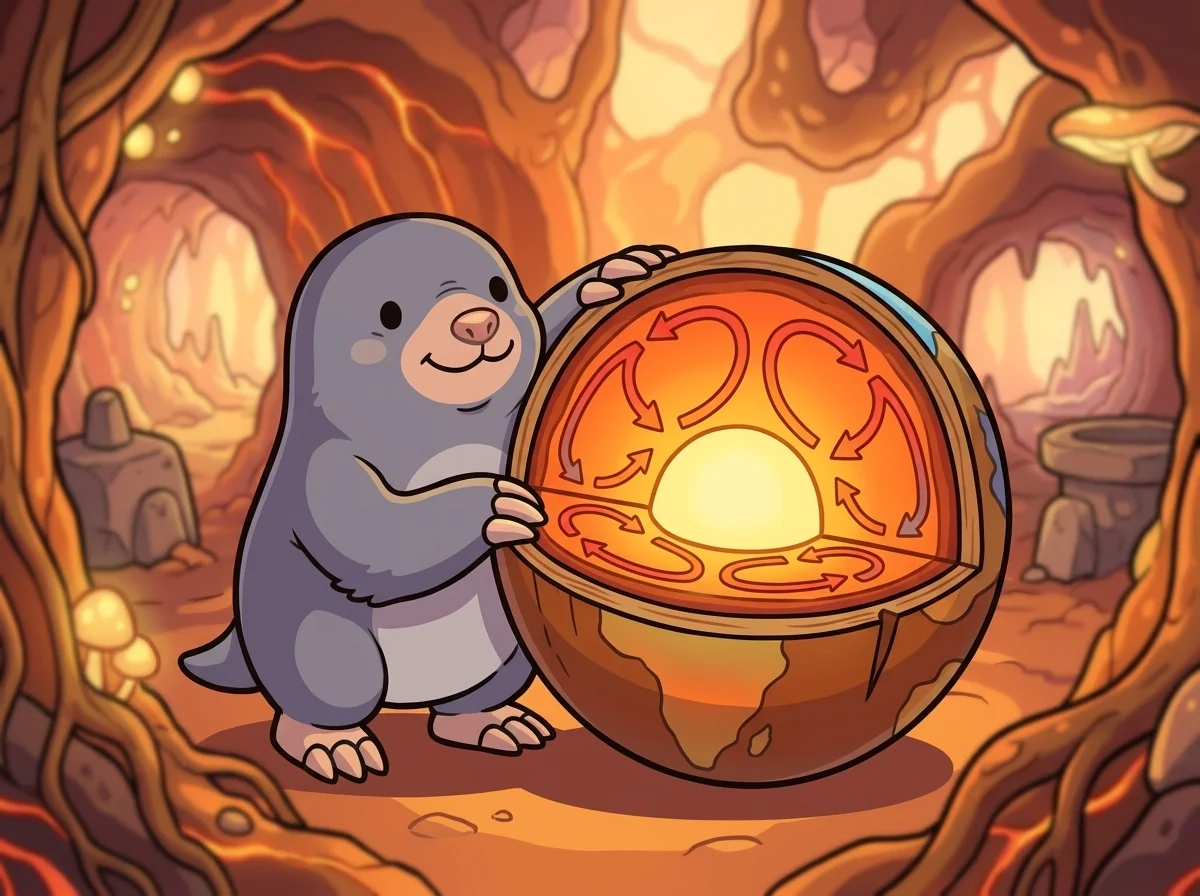
Churn dug her way to TectonicForge at twelve, because a place that studied the moving Earth ought to understand what makes it move.
Geo, her mentor, met her and asked one thing. "The plates move. But why? What is the engine?"
Churn answered right away. "Convection," she said. "Deep down, hot rock rises and cool rock sinks, round and round, so slowly you could never watch it. That churn drags the plates along on top, like leaves on a turning pool." Geo smiled. "You are appointed," he said. "You have found the engine everyone forgets. They study the plates and never ask what pushes them."
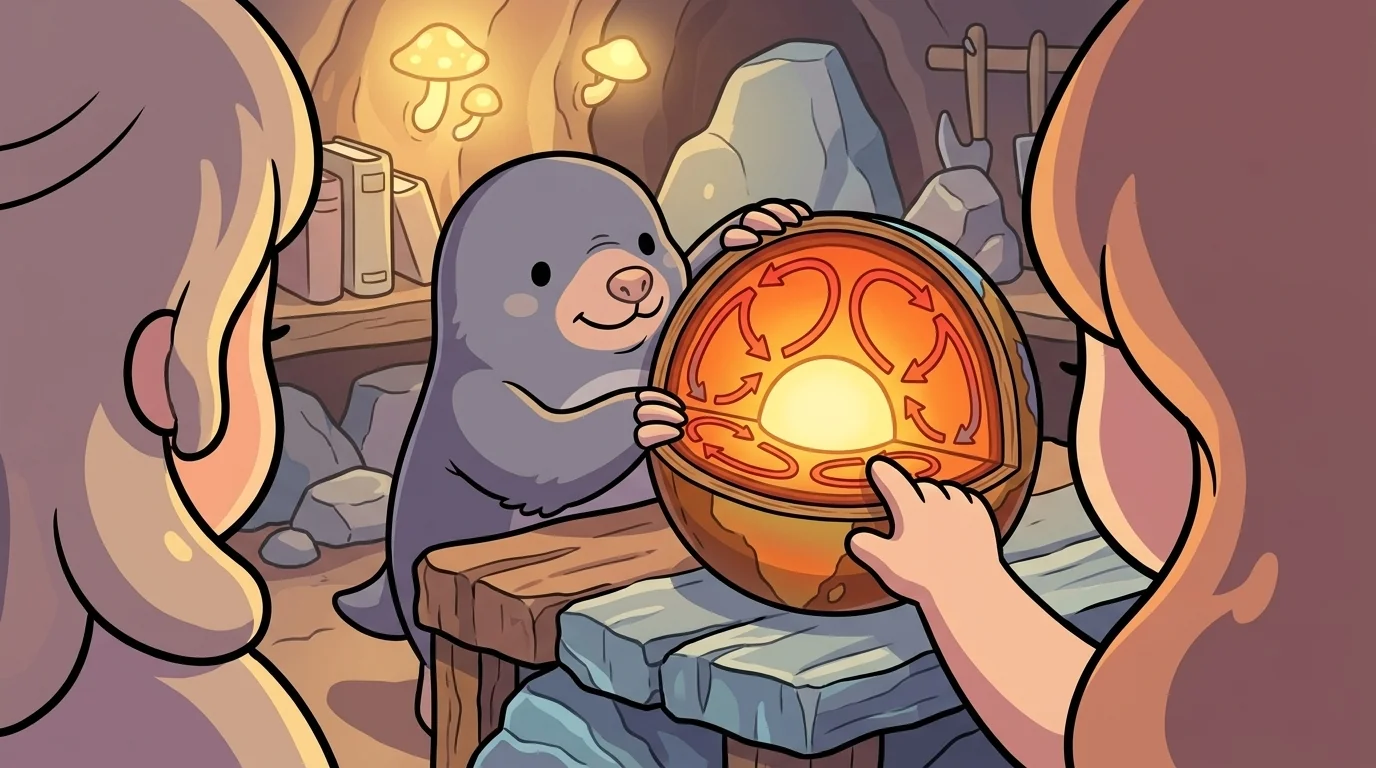
In her workshop, Churn held up her heat-loop cross-section. "Everyone sees the plates move," she said. "Sink teaches how they dive. Spread teaches how they pull apart. But what drives it all? Look deeper." She traced the loop with a paw. "Down near the hot core, rock warms and rises — slowly, over millions of years. Up near the plates, it cools and sinks. It rises, cools, sinks, warms, rises again — a churn that never stops. And the plates ride on top of it. The engine is not the plates. The engine is the heat, turning, underneath." She let the children trace the loop themselves. "You cannot see it. It is deeper than the deepest mine. But it moves whole continents — because a slow thing, given enough time and heat, is the strongest thing there is."
She spoke gently. "The loudest parts of Earth's story — the quakes, the mountains, the erupting vents — are all driven by the quietest thing of all. A slow, warm turning, deep down, that no one sees."
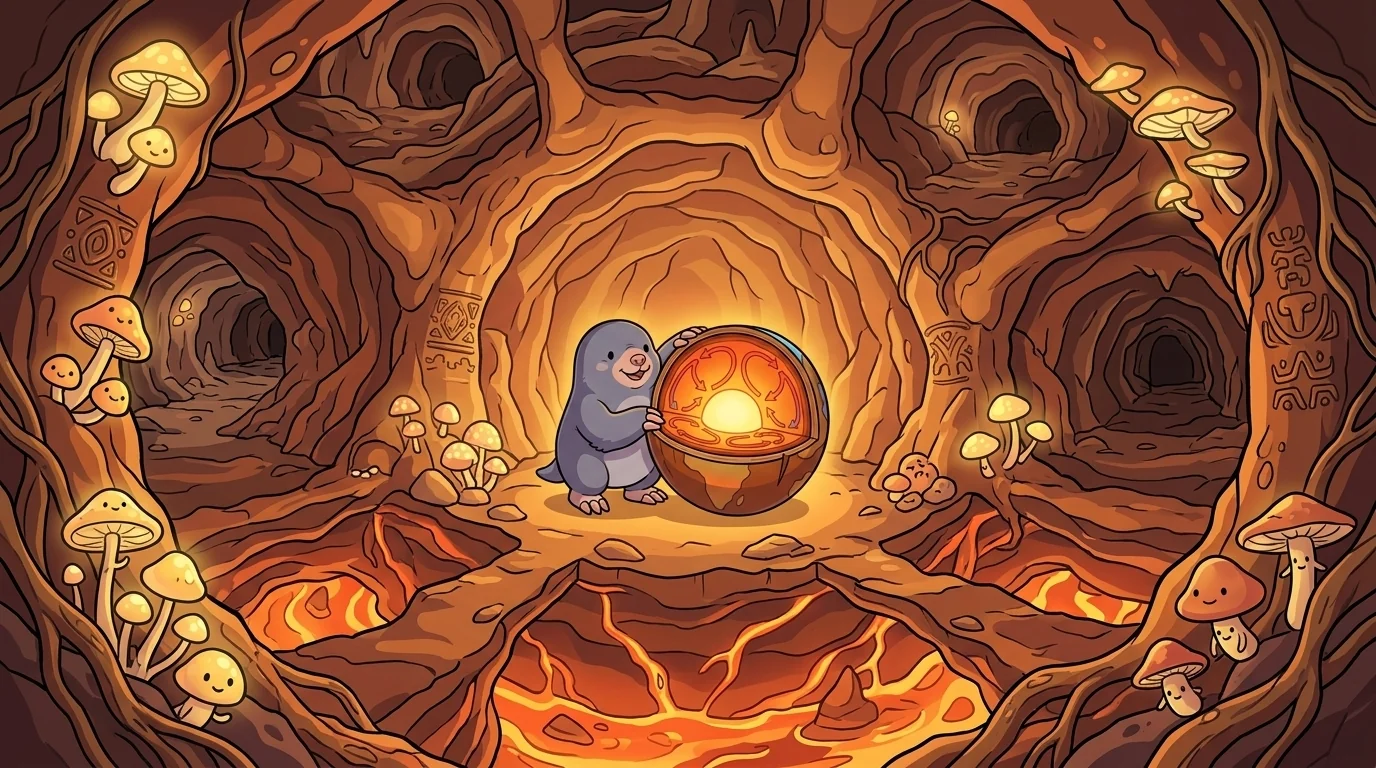
"Warm rises. Cool sinks. Round and round, forever — and that hidden churn moves the world." And when Churn said it, her whole small furry body seemed to fill with a deep, steady warmth — the peaceful feeling you get when you understand that the biggest changes are often driven by something quiet and patient and unseen, turning faithfully away in the dark, moving mountains without ever once being noticed.
The TectonicForge ensemble
Churn is part of TectonicForge's distributed-narrative cast. Each character embodies a different curricular primitive; together they teach the full subject.
-

Sink
Convergent/subduction boundary — the heavier plate finds its way down; it takes a long time; that's okay
-
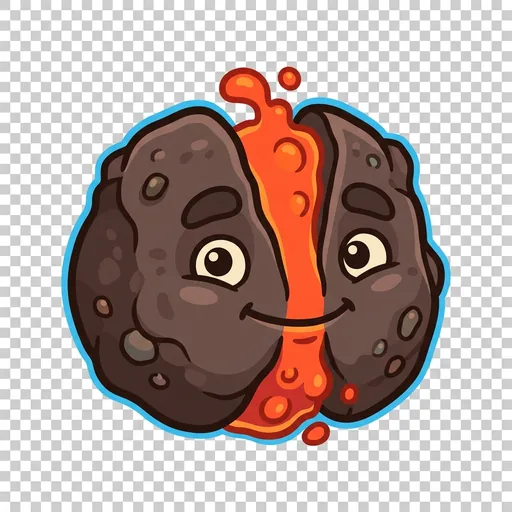
Spread
Divergent boundary + new crust — when something pulls apart, something new is forming in the middle
-

Slide
Transform boundary + stored energy — two plates sliding past; they catch, they hold, then they let go
-

Vent
Volcanism + magma chemistry — eruptions tell us what was happening below
-

Tremor
Seismology + earthquake preparedness — earthquakes are the Earth telling its story; we can read the lines; we can be ready
-

Heave
Mountain-building — folding + uplift at collisions — 'Push long enough and mountains rise.'
-
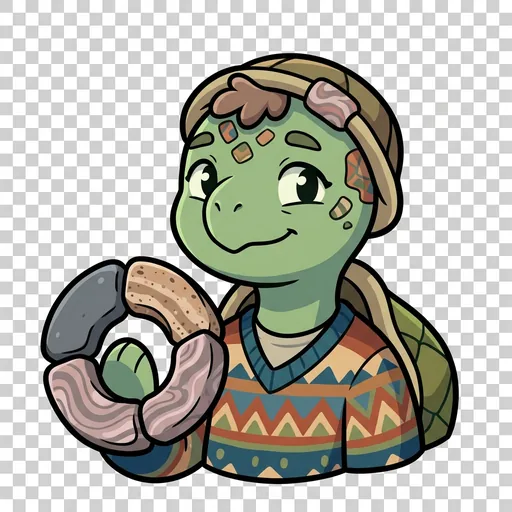
Remake
The rock cycle — igneous, sedimentary, metamorphic — 'Nothing is ever really finished.'
-

Scour
Weathering + erosion — wearing down the land — 'Water and time win.'
-
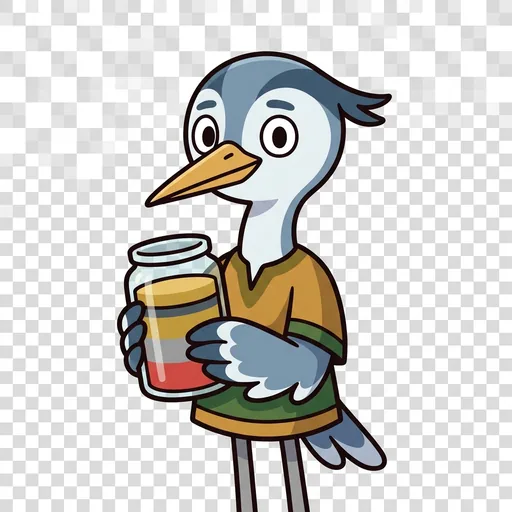
Silt
Deposition + strata — reading rock layers as time — 'Every layer is a page.'