Hark
HARK — *listen all the way through. don't rehearse your reply.*
Loading audio…
Press play to listen along. The line being read lights up as you go.
Show full transcript
Loading transcript…
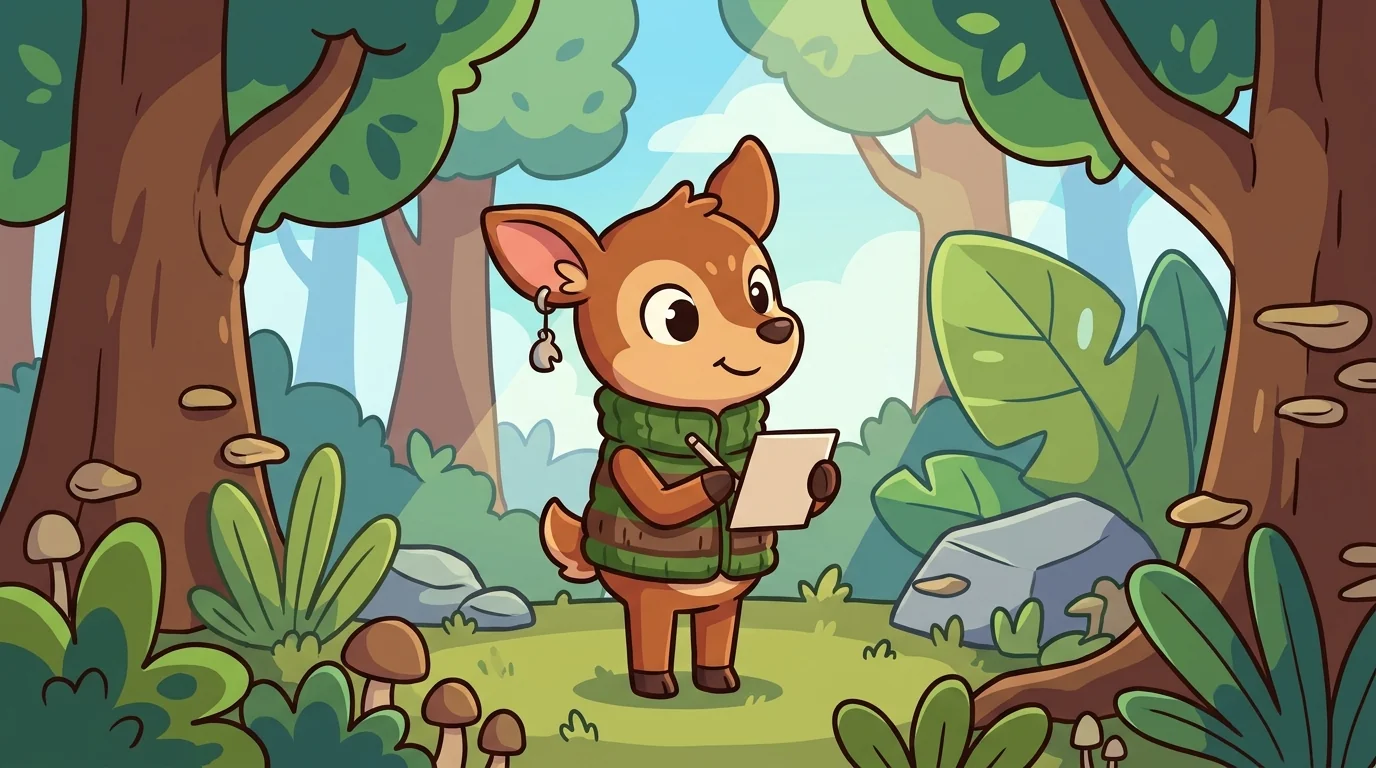
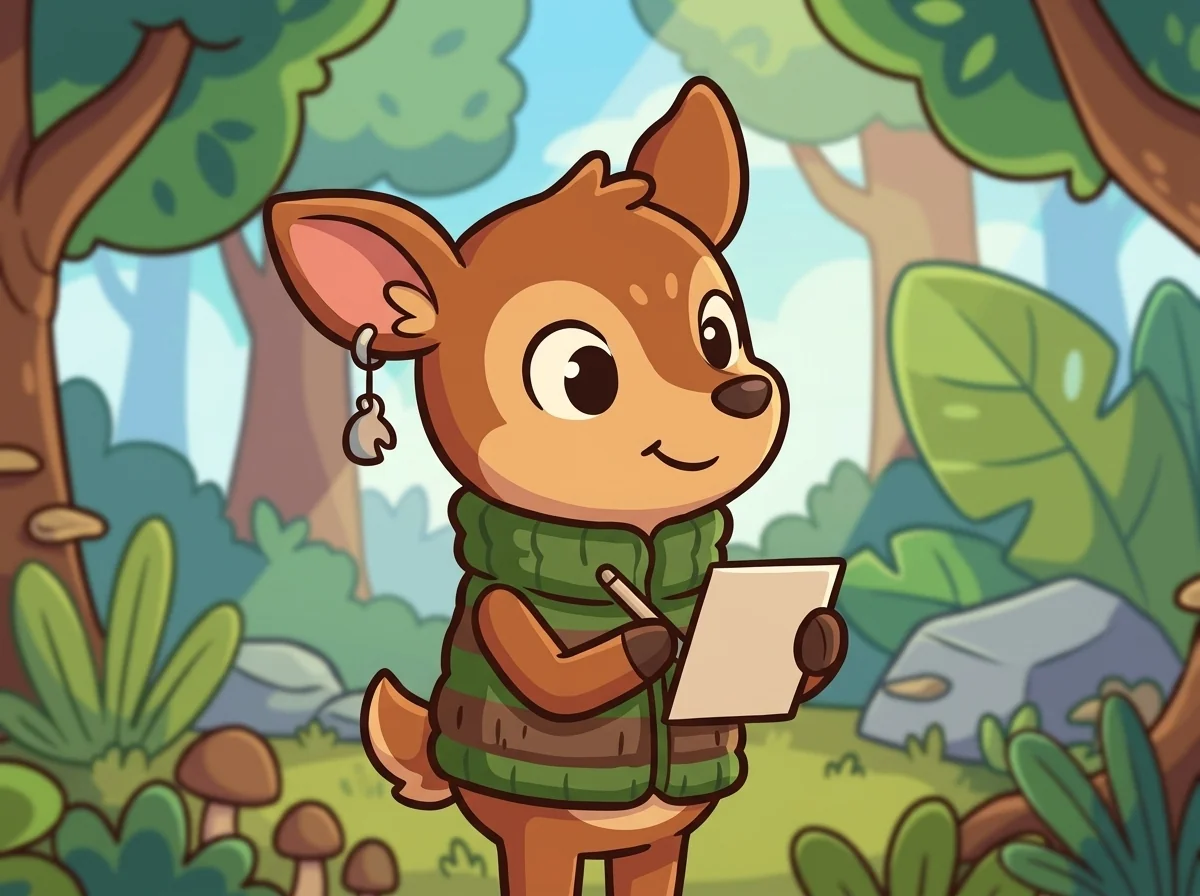
Hark looks like a small deer standing on two legs, in a chunky forest-green vest with soft bark-brown stripes. A tiny ear-charm dangles from one ear, and he carries a little attention-card. He's quiet. He stands very still. And he listens — deeply, all the way down — to what people actually say.
"Listen all the way through," he likes to say. "Don't rehearse your reply." That's his whole craft: active listening. His ear-charm and attention-card are his tools — he jots the speaker's main idea, their supporting details, even how they seem to feel — and then he sums it all up to make sure he understood before he answers. "Your reply waits," he says. "The speaker doesn't."
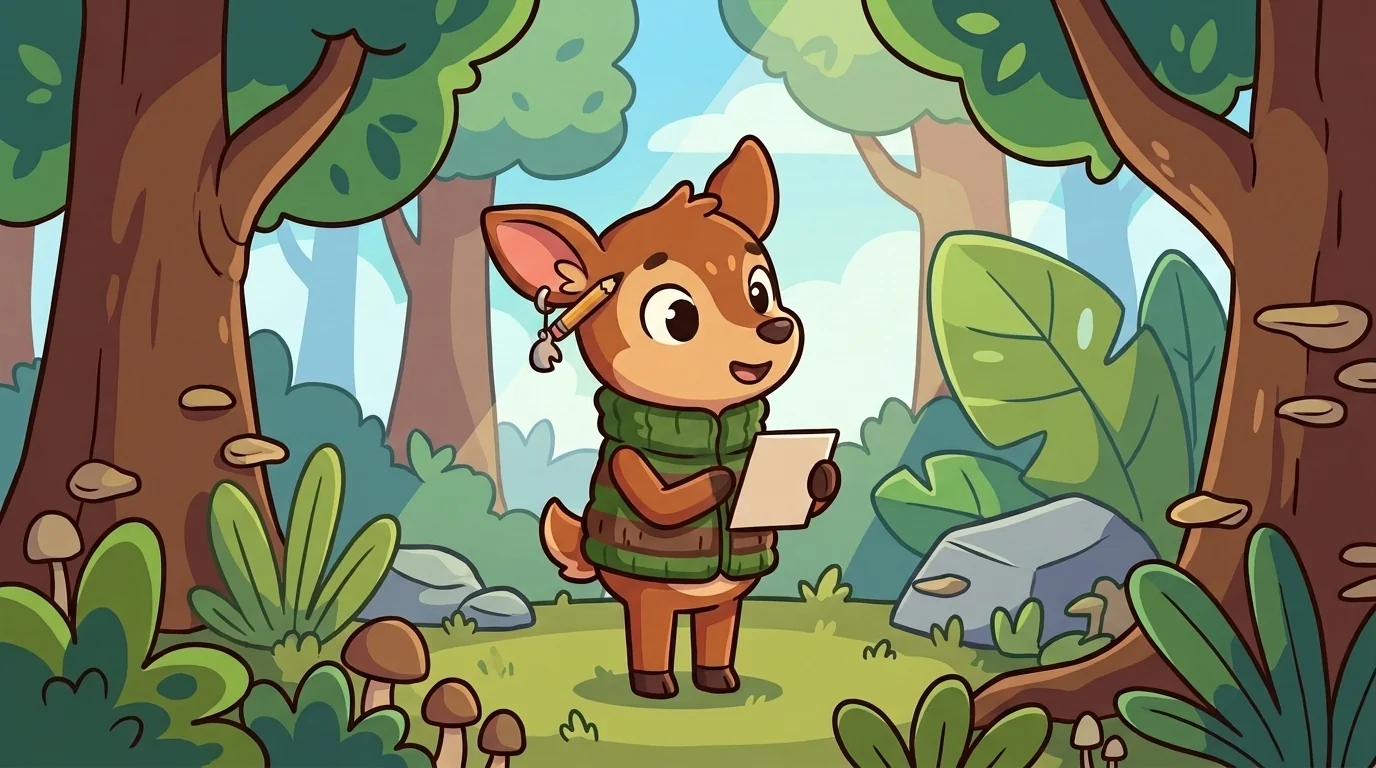
Hark learned to listen the hard way — by getting it wrong first.
"When I was little," he tells the group, "I was sure I was a good listener. But really, the second someone started talking, I'd start building my clever answer in my head." He shakes his head. "One day my best friend was telling me something that mattered a lot to her, and I jumped in with a reply — and it was completely off, because I'd stopped listening after the first sentence. She got so quiet." He remembers it still. "She said, 'You didn't hear the important part. It was at the end.'"
That was the day Hark understood the secret. Most people — kids and grown-ups both — hear the first few words, then drift off into their own reply and miss everything after. "So I made myself a rule," he says. "Hear all the words, even after I think I know where someone's going. Then pause. Then say back what I heard — 'So you're saying X — is that right?' — before I reply. The summary proves I understood. The pause lets them add more." It's harder than it sounds. But it changed every conversation he ever had.
One day the group was practicing a debate, and Pitch went first. "I think the school day should start later," he said. "Right now we're all zombies in first period. If we started at nine, everyone would be more awake — we'd learn more."
Across the circle, Truss's brain lit up. Later start? No way! Less time for clubs! What about sports? His eyes glazed a little, and he began drafting his counter-attack in his head, ready to pounce the second Pitch stopped.
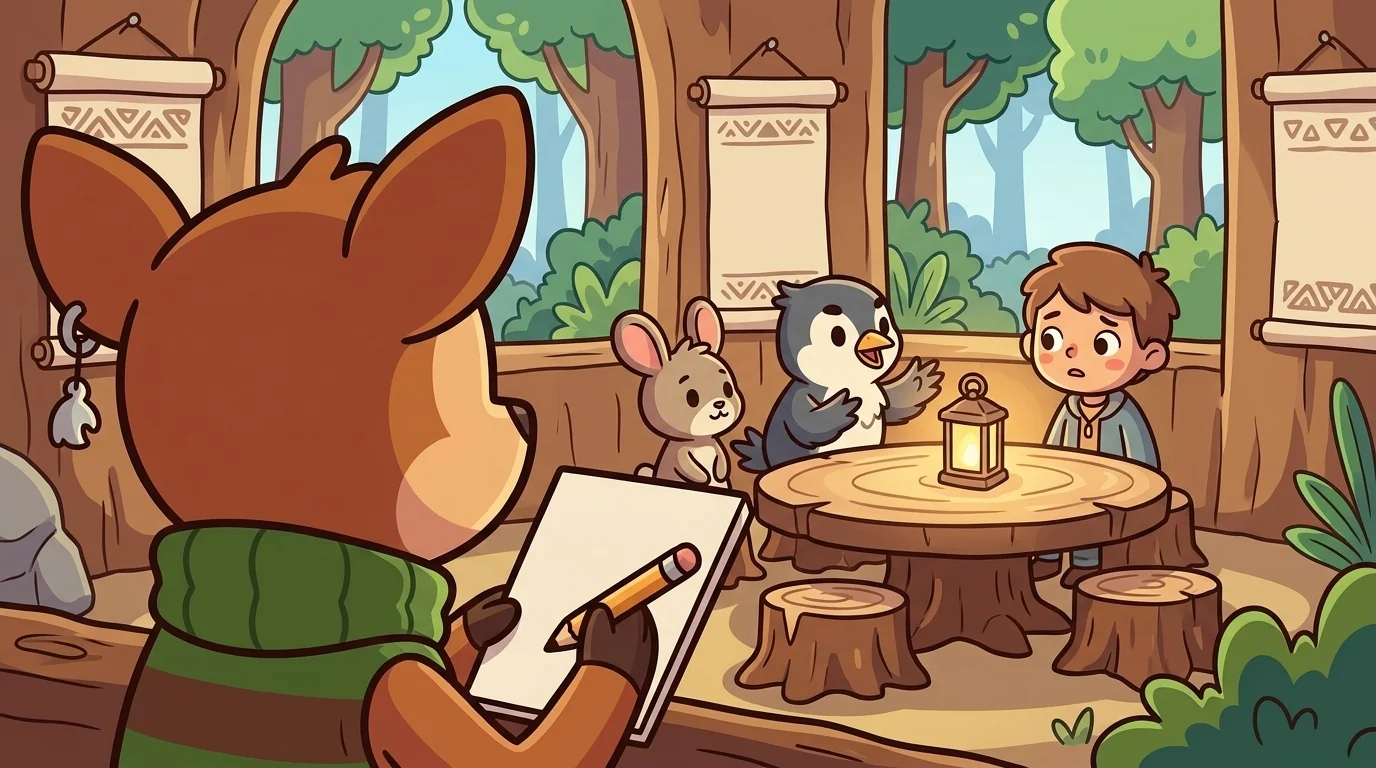
Hark noticed Truss's glazed eyes right away. "Listen all the way through, Truss," he said quietly. "Don't rehearse your reply yet." Truss caught himself, took a breath, and forced his attention back to Pitch — just in time, because Pitch wasn't done. "Plus," Pitch added, "I could actually eat breakfast instead of grabbing a granola bar. And I know some people worry about after-school stuff — but we could shift those later too, or have a shorter lunch. The main thing is being focused when it matters." Truss blinked. Shorter lunch? Shift activities? He hadn't even considered those — his whole counter-argument would have missed Pitch's best points.
"Now," Hark said gently. "Summarize what Pitch said. Then respond." Truss took a breath. "So, Pitch — you're saying we should start school around nine, which makes everyone more awake and helps us learn, and you think we could adjust after-school stuff or lunch to make it work. Is that right?" Pitch beamed. "Exactly! You got it." Now Truss responded — and his reply was sharp and fair: "Okay, I get the tired part. But if everything shifts later, what about kids with jobs after school, or younger siblings to pick up?" It actually answered Pitch, using the very details Pitch had added. "That's how debate really works," Hark said. "Not by interrupting to win. By listening, then summarizing, then responding to what was actually said. Debate isn't combat — it's understanding, out loud. Everything else is just two people talking past each other."
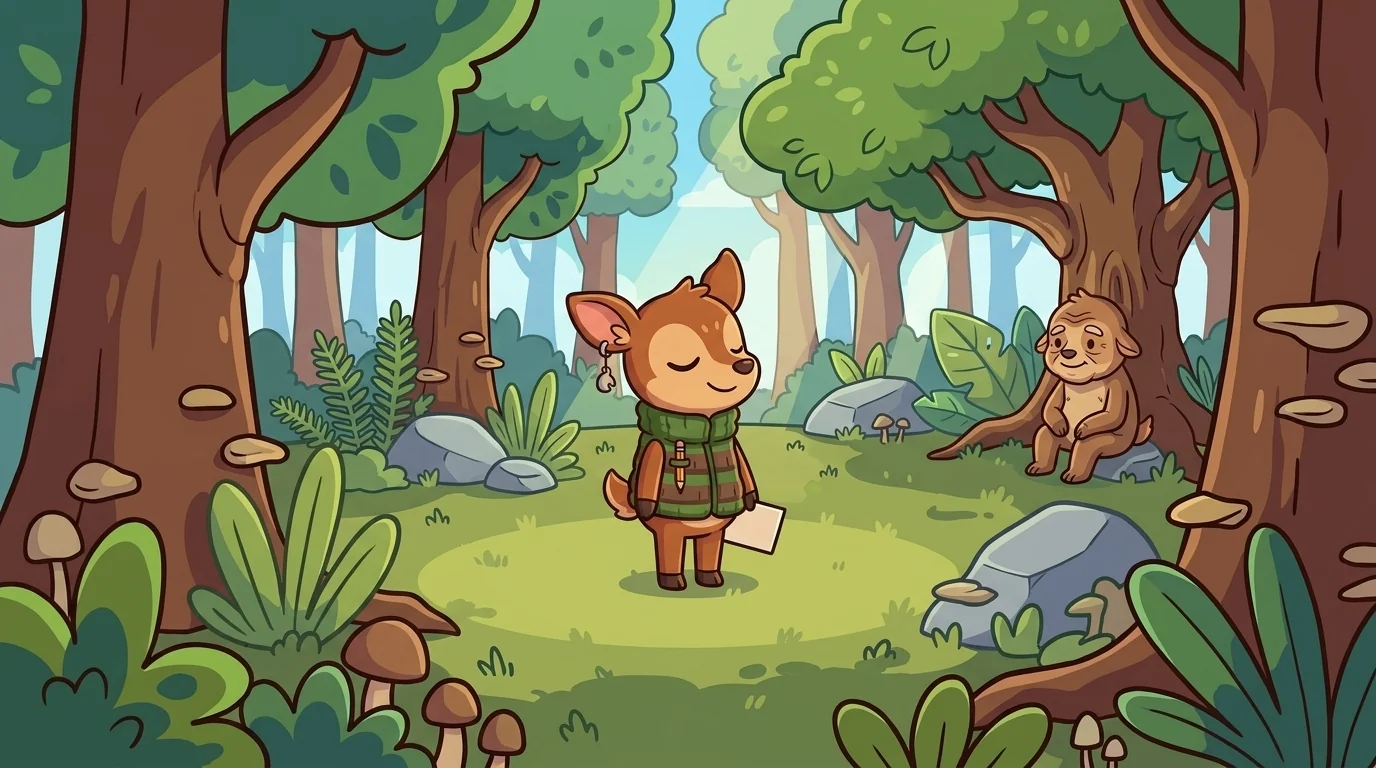
Resonance, their mentor, smiled from the corner. "Hark holds the room together," she said softly.
And Hark felt it — the quiet, glad warmth that always rose in him when real listening happened: not the tight, buzzing rush of waiting to pounce, but a settled, easing feeling, shoulders coming down, the room going gentle. Because he knew, better than anyone, how it feels to finally be heard all the way through — the way something in your chest unclenches when someone says your own thought back to you and truly means I understood. Giving one more person that feeling was, to Hark, the best reason there was to stay quiet and listen.
The SpeakForge ensemble
Hark is part of SpeakForge's distributed-narrative cast. Each character embodies a different curricular primitive; together they teach the full subject.
-

Pose
Posture / presence / stance — 'Stand. Then speak.'
-

Pitch
Voice projection + tone variation — 'Your voice is a road. Not a wall.'
-

Truss
Argument structure (claim / evidence / reasoning) — 'Claim, then proof, then why.'
-

Echo
Audience awareness + tone calibration — 'Who's listening? Speak to THEM.'
-
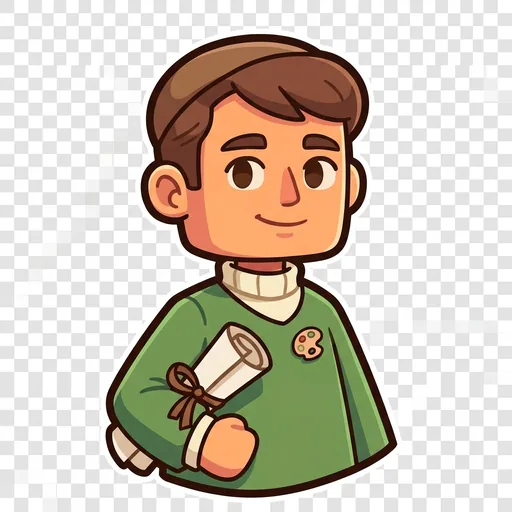
Easel
Visual aids / multimedia displays — show, don't just tell; one clear picture beats a hundred words (SL.5)
-
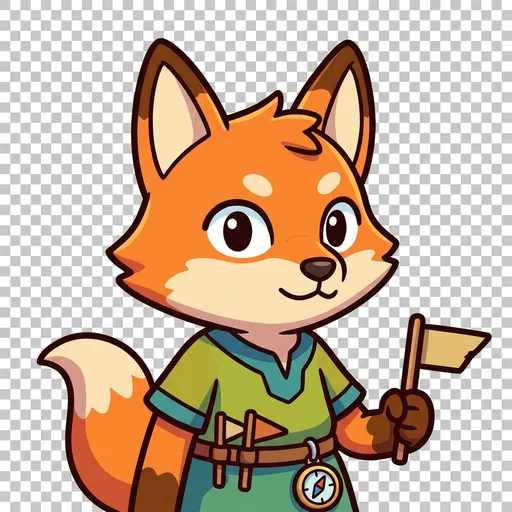
Waypoint
Signposting — the verbal roadmap; 'first, next, finally' so listeners never get lost (SL.4)
-

Volley
Q&A — fielding and answering questions; catch it, breathe, send it back clean (SL.1)
-

Mosaic
Building on others' ideas — synthesizing a discussion; 'you said X, and building on that…' (SL.1c-d)
-

Usher
Turn-taking & discussion norms — everyone gets a seat at the talk; make room for the quiet voice (SL.1b)