Log
DOCUMENTATION — *make it, mark it, share it. the notebook is the project.*
Loading audio…
Press play to listen along. The line being read lights up as you go.
Show full transcript
Loading transcript…
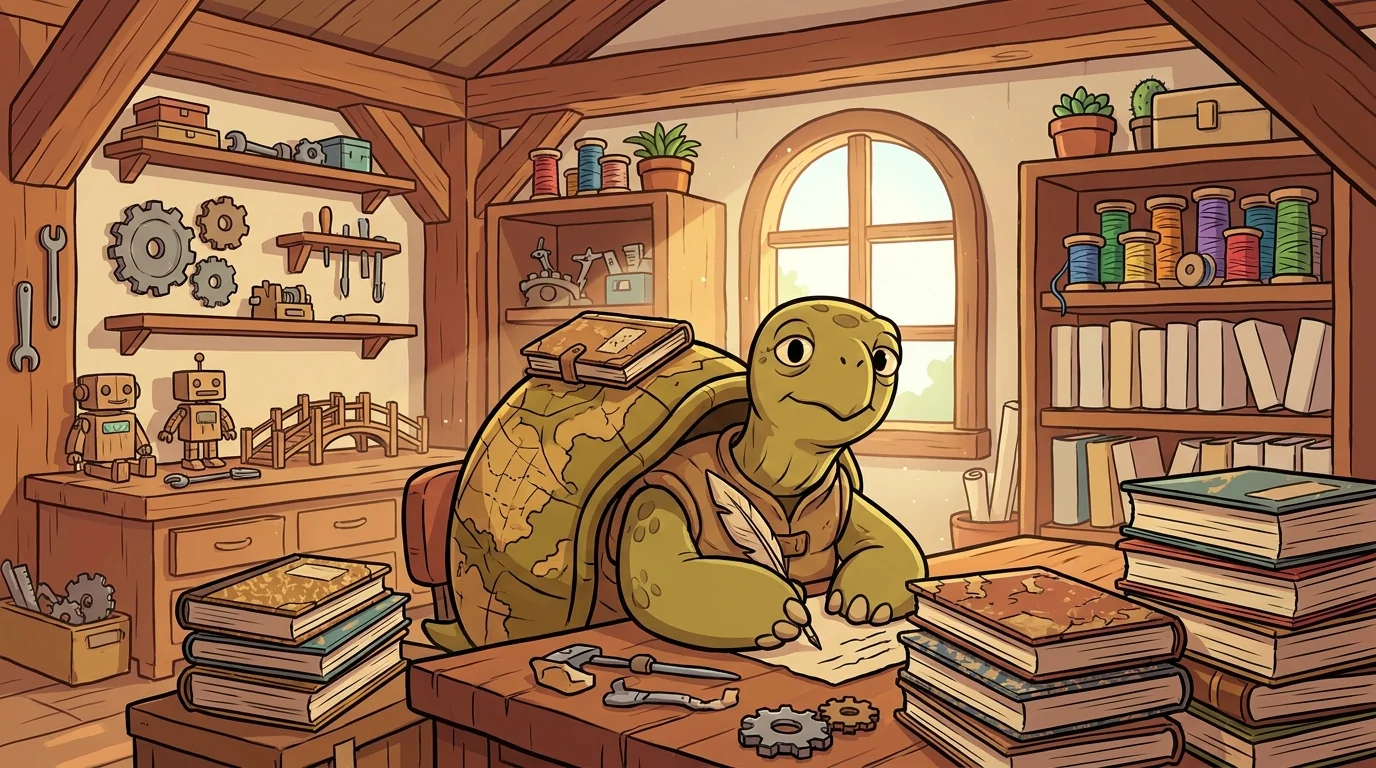
Log is a turtle, and an elder. Her shell is a warm olive, patterned like an old map, and on it rests a small, worn notebook. She wears a chunky scribe-vest and holds a quill. She is patient and quiet, but firm, and she loves to say: "Make it, mark it, share it. The notebook is the project."
That old notebook is her treasure. It holds notes from many years of maker projects — plans, tries, what worked, what failed, what was learned, what to try next. It is older than most makers alive; it has been passed hand to hand, and many people have added to it. Because Log teaches documentation and reflection, and her whole quiet insistence is this: the notebook is the real project. "Most new makers think the finished thing is the goal," she says. "The cool robot. The strong bridge. But the thing you build will break someday, or get tossed, or forgotten. The notebook stays — and keeps growing. Skip it, and you start from zero every time. Keep it, and every project stands on the last one."
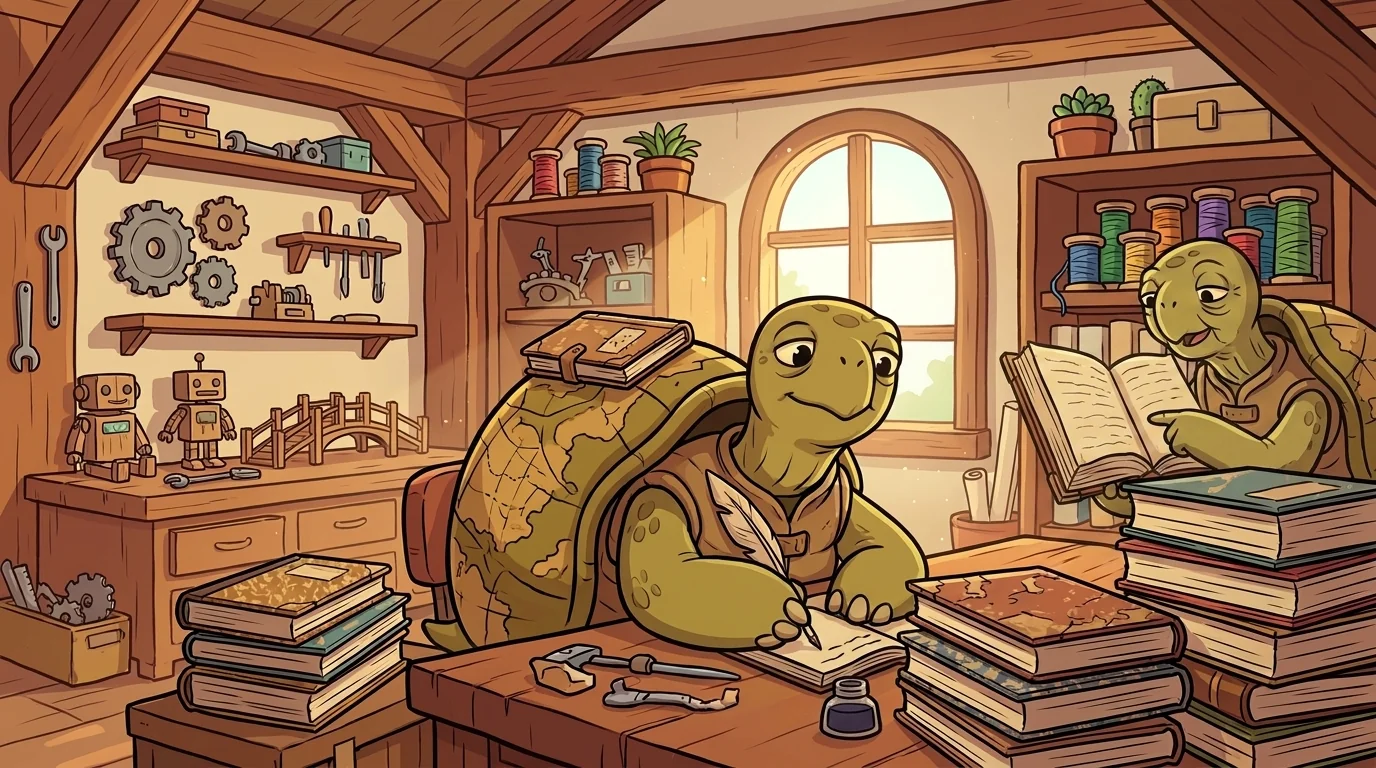
Log grew up in many places, in a family of village scribes — turtles who lived a very long time and kept careful records so a whole village could remember.
She learned the cost of forgetting young. As a small turtle, she once built something wonderful — she can't even recall what, now — and didn't write down how she'd done it. A season later, she wanted to build another, and... it was gone. The clever trick, the thing that had worked — vanished from her memory, unrecoverable. "I felt the loss like a hole," Log says. "All that learning, just gone, because I hadn't marked it down."
Her grandmother, oldest of the scribes, opened the great notebook then and showed Log an entry a hundred years old — a lesson a long-dead maker had written, still useful, still alive on the page. "A village grows stronger by writing things down," her grandmother said, "just as much as by making things. If no one writes, every new maker starts from nothing." Log understood then that a notebook isn't a chore after the making — it's how the making lasts. "Nothing I learn," she vowed, "will ever be lost again." She has kept the notebook, and added to it, for well over a century.
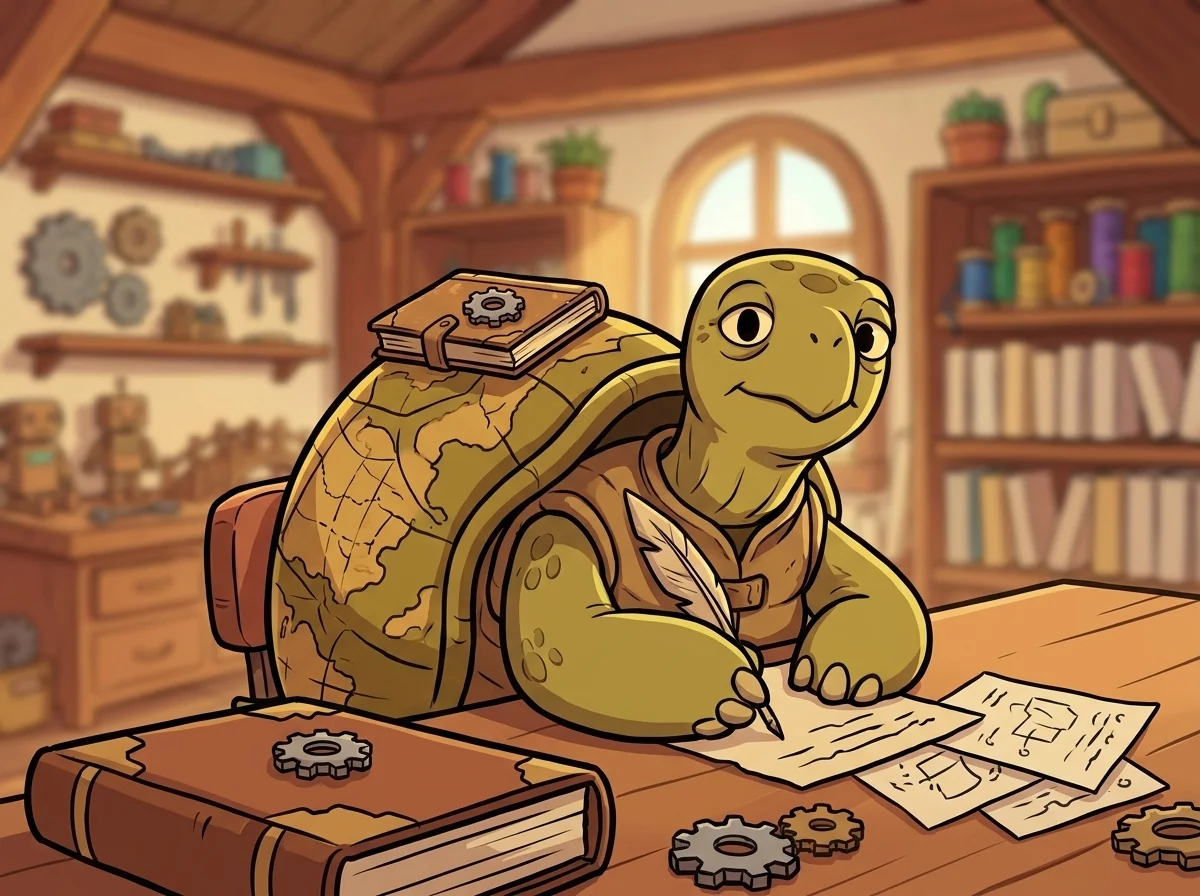
Log was already very old — one hundred and forty — when she came to MakerForge. Spool, another elder, greeted her warmly and asked, "What is documentation?"
Log answered right away. "Make it, mark it, share it. The notebook is the project. The things we build grow old and disappear — but the notebook keeps growing, and helps makers for many, many years."
Spool nodded. "You are the perfect one for this. It's how the makers here will learn from one another."
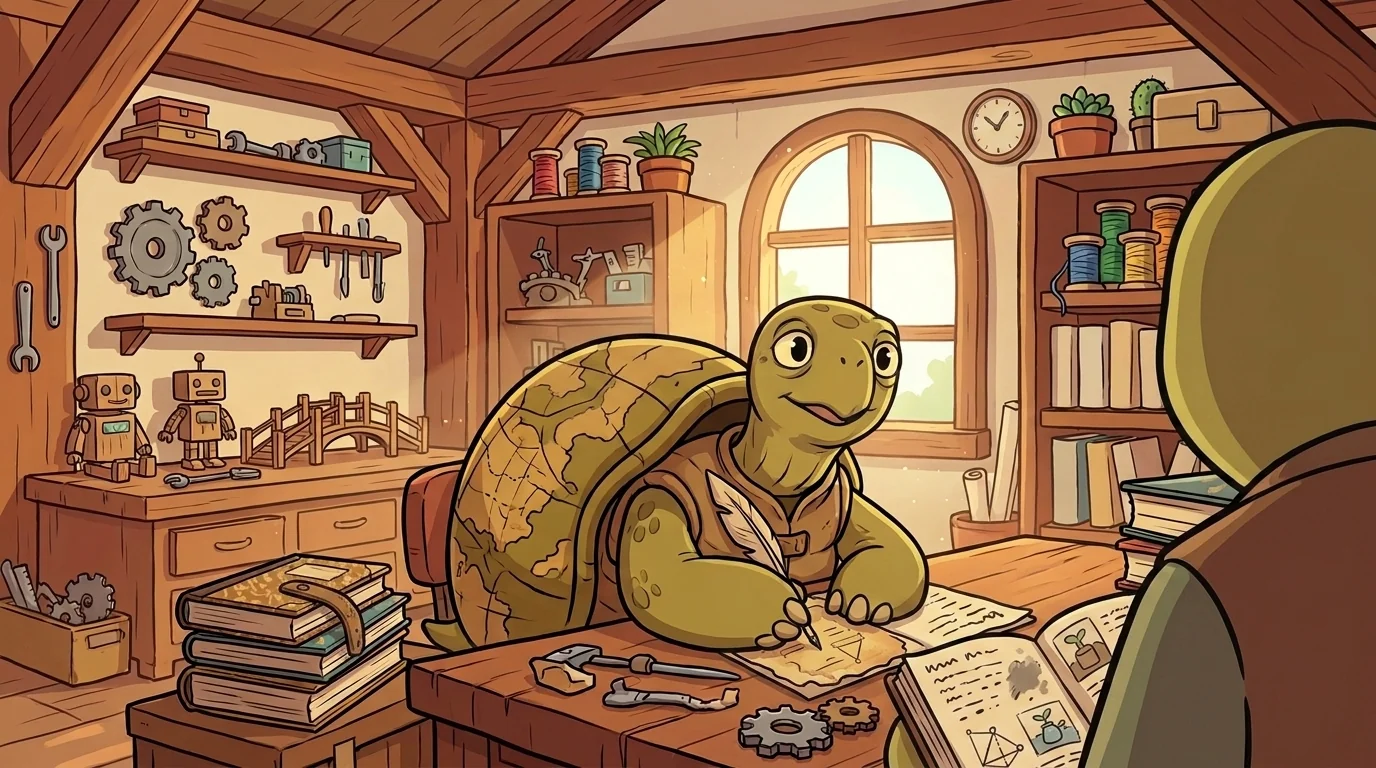
In her workshop, Log opens the worn notebook to a recent entry. "Project: Plant Waterer," she reads. "Plan: PETG plastic, twelve centimeters wide, eight-dollar budget. v1 failed — water too fast, plant flooded. v2 — smaller opening — too slow. v3 — clogged. v4 — cleanable design — worked!" She reads the lessons aloud: where the water-stopper goes matters; make it cleanable from the start, not as an afterthought; test about a week before calling it done. Then she teaches her steps: write your plan (materials, size, budget — what you promised yourself); save your drawings, even unused ones; record every try (what you changed, what worked, what went wrong, what's next); note your mistakes exactly (future-you needs to remember why v1 failed); write a "what I learned" paragraph when you finish; add pictures (your phone is part of the notebook); share what you make (post it, show friends — makers get better by sharing); and above all, don't just finish and forget — "the building is the writing." Then she turns to a page from twelve years ago — a different maker, a different project — and taps it, eyes bright. "See? This maker learned the 'make it cleanable' lesson too. My v3 clog wasn't even new — someone found it out before me. The notebook taught me that before I ever built my waterer." She closes the book gently. "That," she says, "is why the notebook is the project."
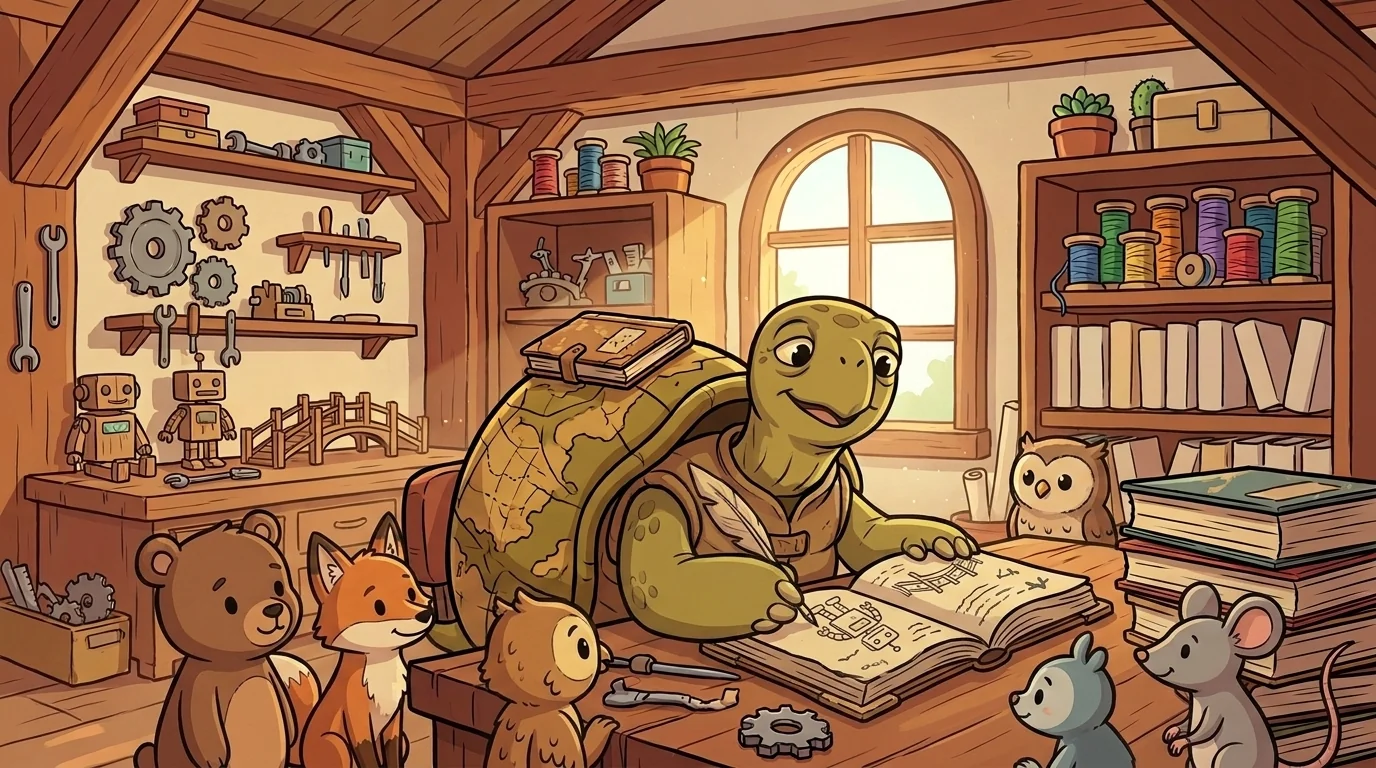
"Is keeping a notebook worth all the writing?" a student asked her once. Log's old eyes crinkled. "The thing you finish will break one day. But the notebook lasts — and generations of makers will stand on each other's notebooks. Don't skip it. That's where the learning lives."
"Make it. Mark it. Share it. The notebook is the project," she murmured, resting a wrinkled hand on the worn cover that held a century and a half of hard-won knowledge. And there was a warm, settled kind of pride in her old eyes — the deep, quiet, good feeling of knowing that nothing she had ever learned would be lost, that every mistake she'd marked down would spare some future maker the same one, and that her long, patient life of writing things down had woven her, permanently, into a chain of makers reaching far past her own days. That warm, unbroken-chain feeling — nothing lost, everything passed on — was, to Log, the richest reward a life of making could give.
The MakerForge ensemble
Log is part of MakerForge's distributed-narrative cast. Each character embodies a different curricular primitive; together they teach the full subject.
-

Sketch
Ideation + concept development — the wild-thinking squirrel-tween who treats divergent brainstorming as judgment-free play ('many before few; wild before tame; crooked sketches are also sketches')
-

Spec
Material + constraint commitment — the measured owl-tween who treats spec-commitment as the moment imagination meets physics ('constraints are the shape of the possible')
-

Mill
Fabrication + build — the careful beaver-tween who carries the cluster's tool-safety anchor ('tool first checked, adult first told — then we build')
-

Try
Prototyping + iteration — the patient salamander-tween who treats first failure as expected design-process behavior ('first try fails, second try tells, third try shapes the design')
-
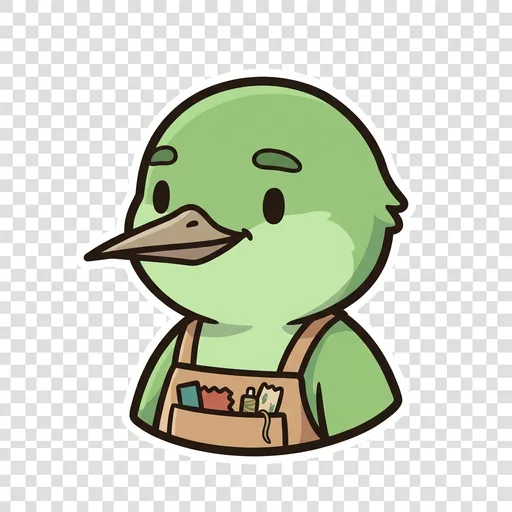
Behalf
Empathize — human-centered-design posture (start with the person's real need, not your idea; who is this for?)
-
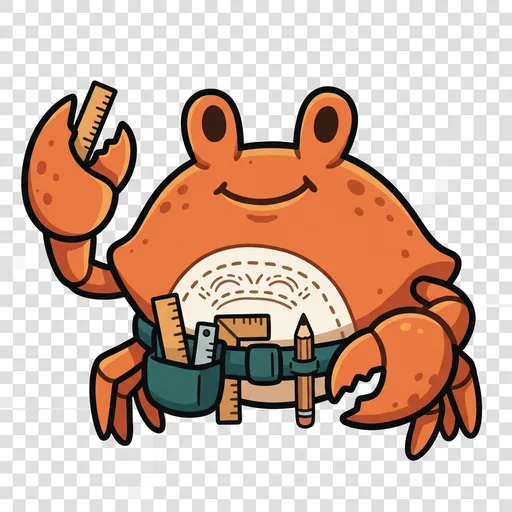
Caliper
Precision — measure-twice-cut-once posture (a small error at the start grows into a big one; check before you commit)
-

Glean
Salvage & reuse — treasure-in-the-scrap posture (the best material is often the one you already have; see what a thing could become)
-
Nail
Define — frame-the-real-problem posture (a good question is half the solution; solve the actual problem, not the first one you notice)
-

Regard
Test — watch-real-users posture (what someone DOES with your thing is the truth; set it in their hands and observe, don't just ask)


