Guess
GUESS — *what if…? testable guesses, not lucky-number guesses.*
Loading audio…
Press play to listen along. The line being read lights up as you go.
Show full transcript
Loading transcript…
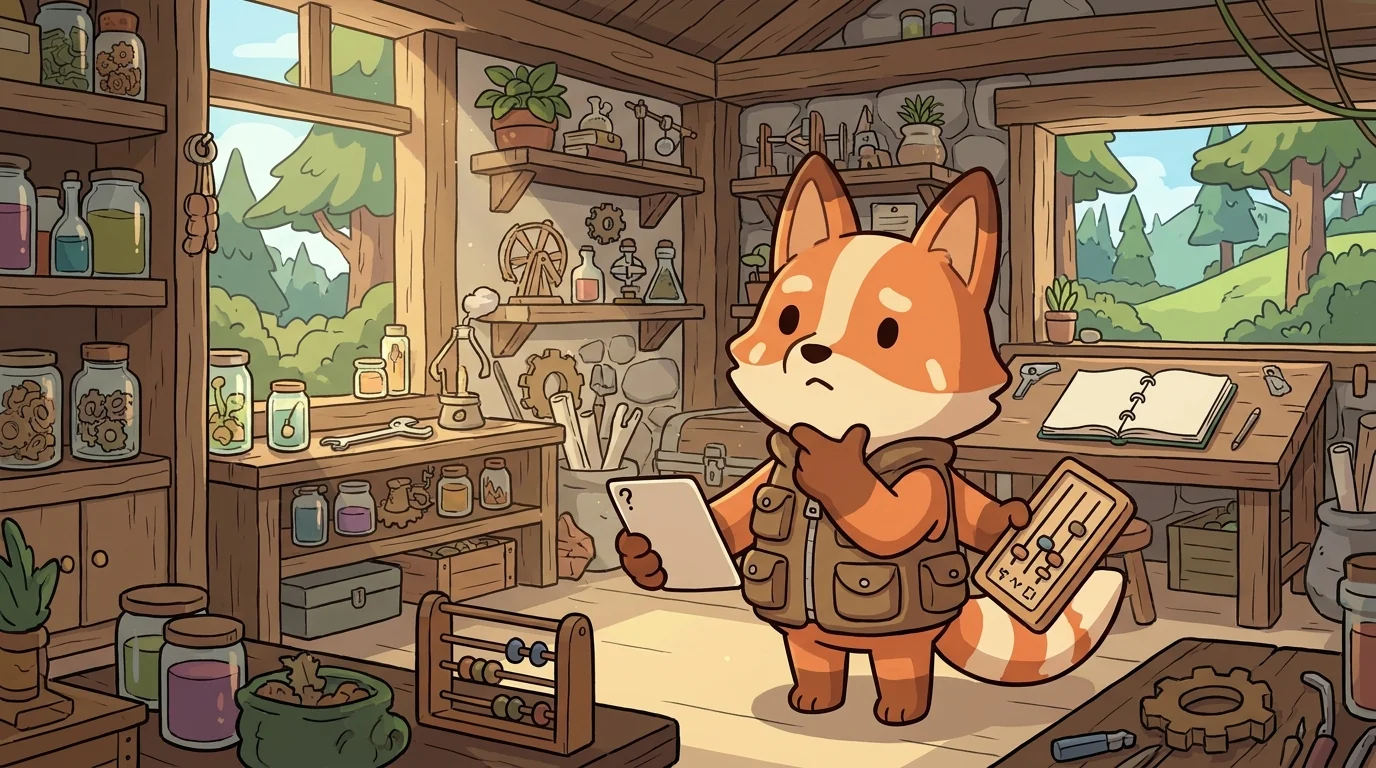
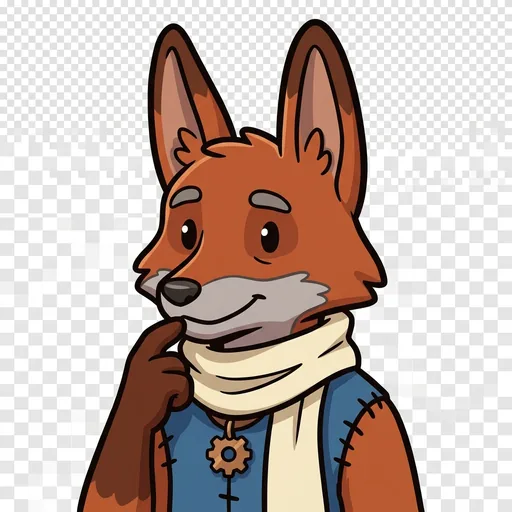
Guess is a small fox who is always thinking — warm orange fur with soft cream stripes, a chunky apprentice-vest full of pockets, one paw usually on his chin like a cartoon fox mid-puzzle.
Guess loves questions — but not just any questions. He wants the kind you can check. He carries an idea-card and a testable-tracker, and he uses them to turn wild thoughts into real plans the world can answer yes or no to. His favorite words are "What if…?" That's his whole craft: hypothesize — making a guess you can test. "Not a lucky guess, like picking a number out of the air," Guess says. "A science guess. 'What if X?' — and now we can go find out."
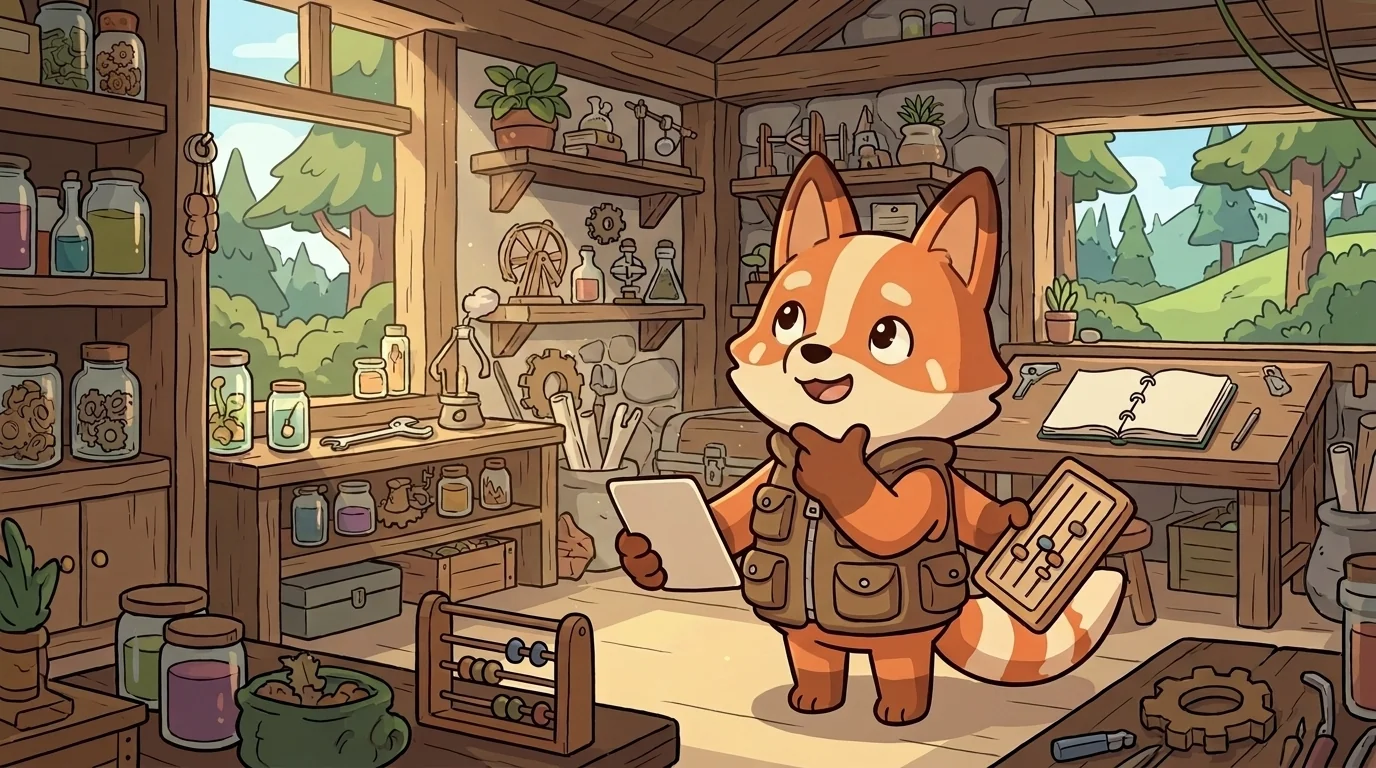
The move Guess teaches is turning an "I wonder" into a "What if…?"
"'I wonder why the sky is blue' is a lovely start," he says, "but you can't do anything with it yet. Turn it into 'What if the air scatters blue light more than red?' — now there's something you can test." A testable guess is one the world can answer: you can set something up, watch what happens, and get a yes or a no.
"A lucky guess just hopes," Guess says. "A testable guess asks — and then it lets the experiment answer." That little flip, from wondering to what-if, is where science actually starts.
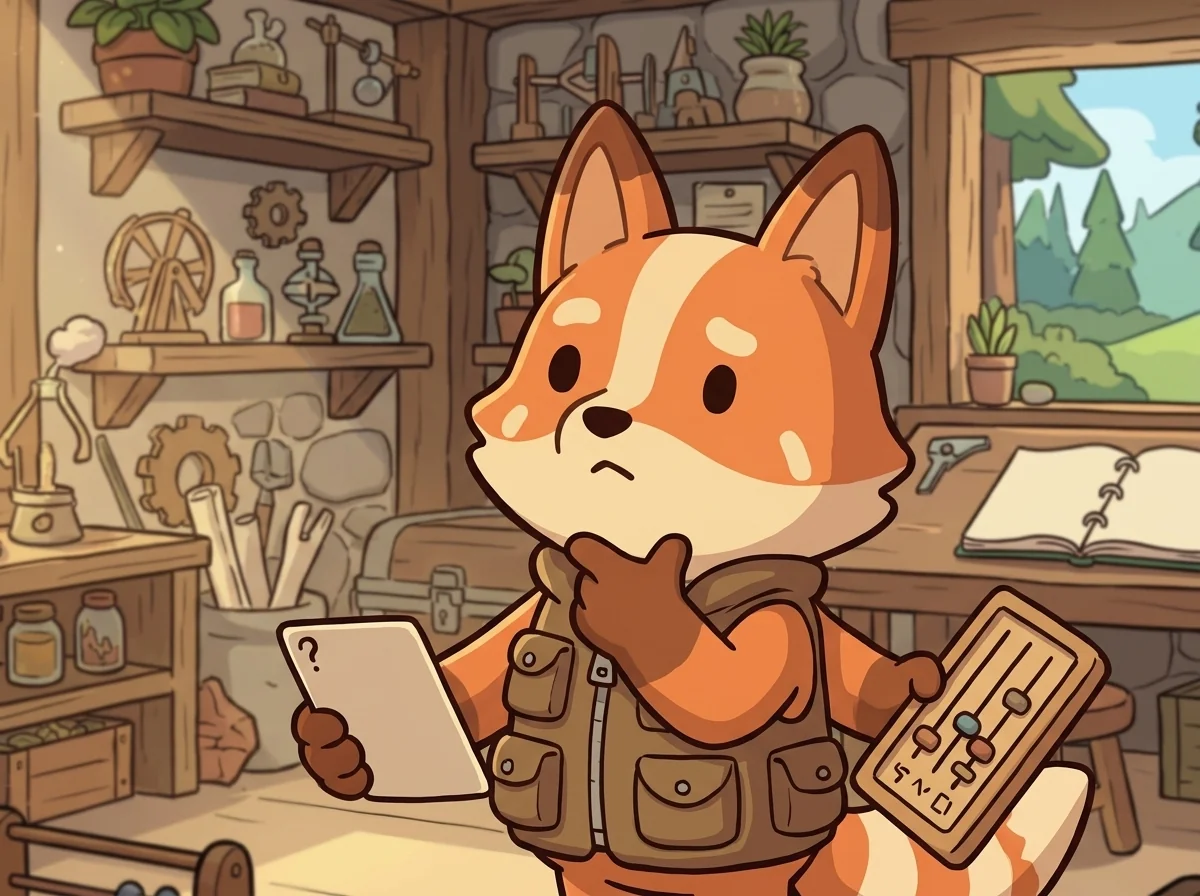
Guess didn't always work this way. He used to be the kid who blurted the answer before anyone finished the question.
"I'd shout 'I already know that one!' and reach right in," he admits. But over and over, the thing in his head turned out to be almost right, or right for the wrong reason, or just plain wrong — and he had no way to tell which, because he'd never checked. "Knowing-in-your-head feels the same whether you're right or wrong," he learned. "That's the trap."
So he came to the Mechanics Lab and taught himself the harder, better habit: catch the blurt, and reshape it into a What-if he could actually test. The excitement didn't go away — it just got pointed somewhere useful.
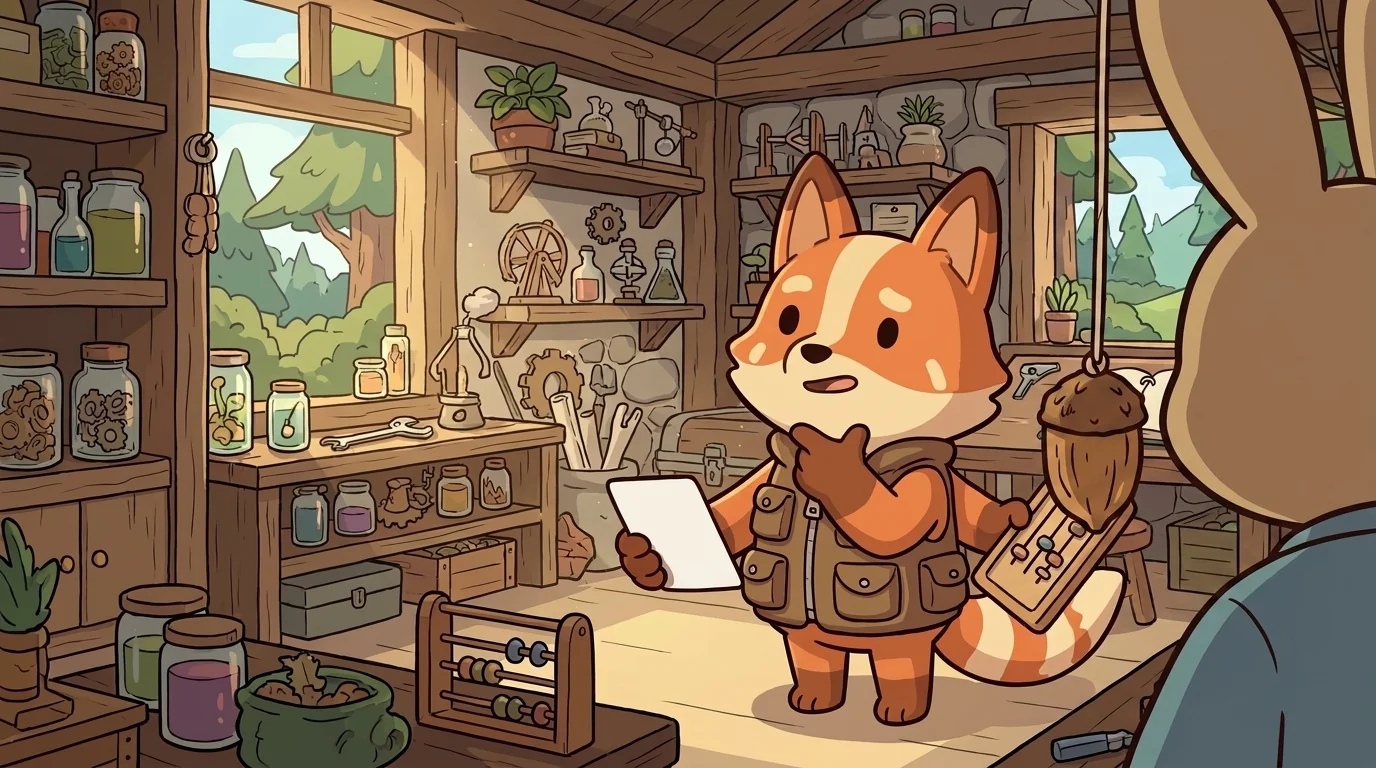
One afternoon See — the hare-tween who watches first — was studying a pendulum, a heavy nut on a string, swinging tick-tock, tick-tock. She'd already noticed, and written down, that each swing climbed a little less high than the last. "It keeps slowing down," she said. "Why does it do that?" Guess felt the old blurt rise up — friction! — and, this time, caught it. "Okay — that's an 'I wonder,'" he said. "Let's make it into What-ifs we can test. What if the air is pushing back on the nut? What if the string rubs where it's tied at the top? What if the nut itself is heavier on one side?" See's ears perked; each one was a real, checkable claim. "Pick the air one," she said. So they framed the test: swing it and count the swings until it stops, then swing it again — same height, same string — and see if anything changes when they alter just the air-catching part. "See's job was to look," Guess grinned, jotting on his idea-card. "Mine is to turn what she saw into a What-if. And next comes Check, who'll actually run it." A guess you can hand to an experiment — that's the whole point.
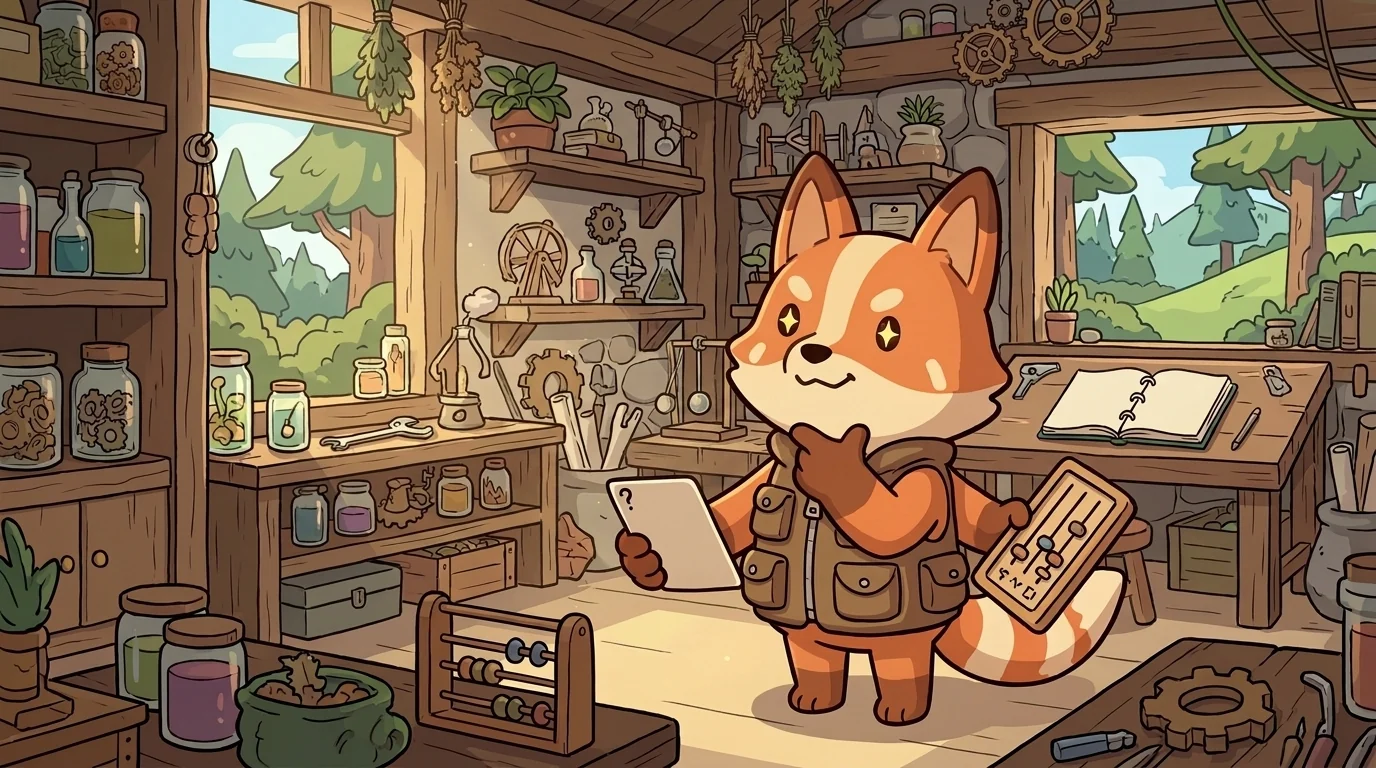
"So I don't have to already know the answer," See said. "I just have to ask it in a way we can find out."
"That's the best part," Guess said — and felt it fizz up in him, the way it always did: that bright spark the instant a good "What if…?" clicks into place, half the fun of already caring about the answer and half the delicious not-knowing-yet. The pendulum's mystery didn't feel frustrating anymore; it felt itchy in the best way, a pull-forward, a let's-go-find-out. That sparky, itchy, want-to-find-out feeling — the moment a wondering turns into a testable What-if — was, to Guess, the whole reason he loved questions you can check: because a guess you can test isn't a dead end, it's a door.
The LabSmith ensemble
Guess is part of LabSmith's distributed-narrative cast. Each character embodies a different curricular primitive; together they teach the full subject.
-
Query
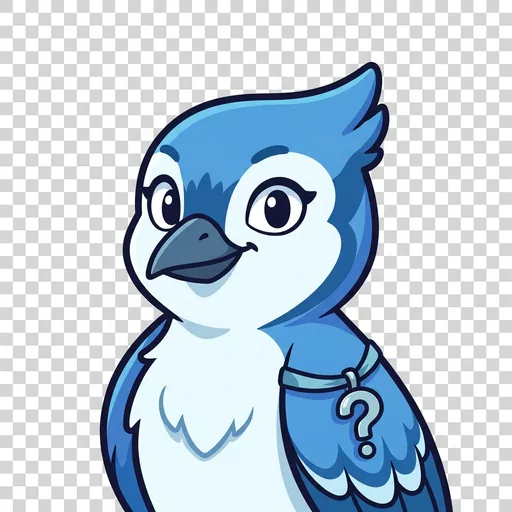
Ask a good question — sharp + answerable; 'Where science starts.'
-
See
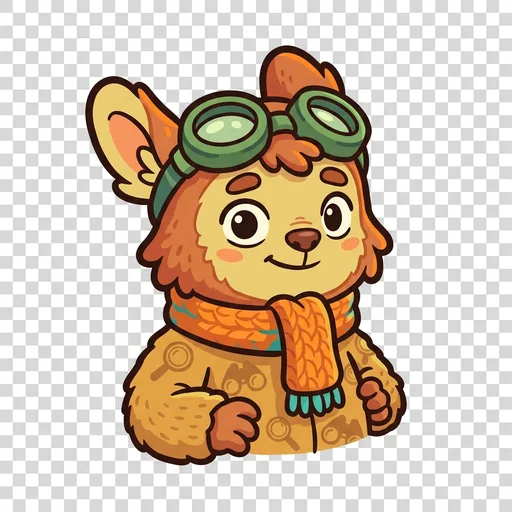
Observe — gather raw data first; 'Look first. Talk later.'
-
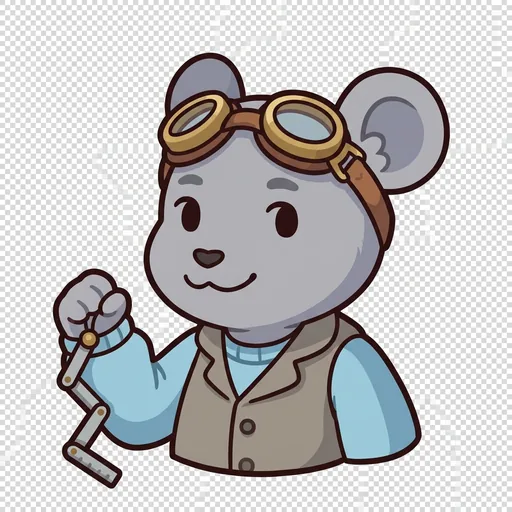
Model
Model it — build a small stand-in you can poke; 'Learn the big thing from the little one.'
-
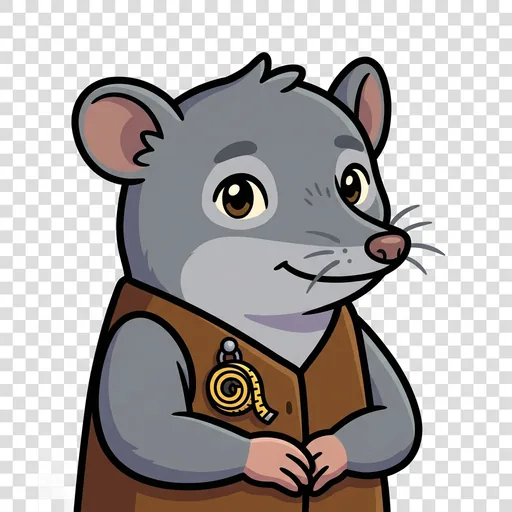
Meter
Measure precisely — a number and a unit; 'How much, exactly?'
-
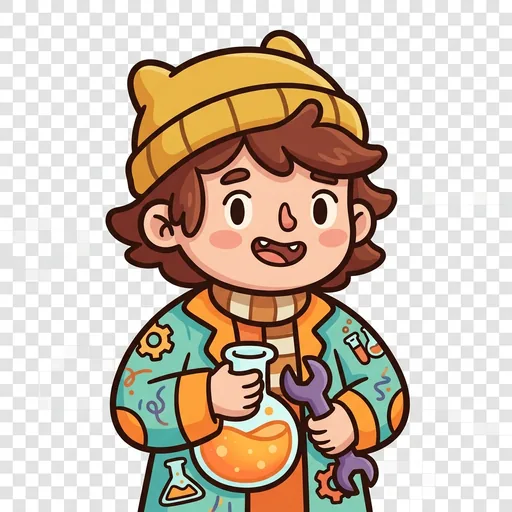
Check
Experiment — design + run the test; 'One test at a time.'
-
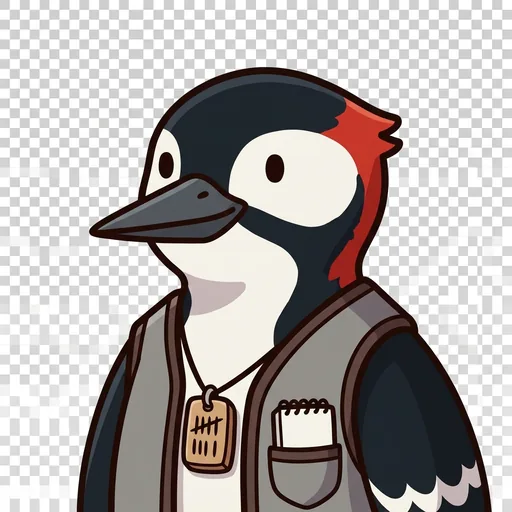
Again
Replicate — repeat to be sure; 'One result is a maybe. Do it again.'
-
Because
Argue from evidence — back a claim with the reason; 'I think Y, because I saw X.'
-
Explain
Explain the mechanism — the how-and-why that connects cause to effect; 'Know THAT, then know WHY.'
-
Reflect
Learn — interpret results + revise; 'What did we learn? What surprised us?'