Bend
WORDPLAY + PUNS — semantic-twist + double-meaning. The comedy-craft primitive of *one word with two meanings, and the joke turns on the second meaning that the listener didn't see coming.* Groans are the unsuppressed laugh-startle.
Loading audio…
Press play to listen along. The line being read lights up as you go.
Show full transcript
Loading transcript…
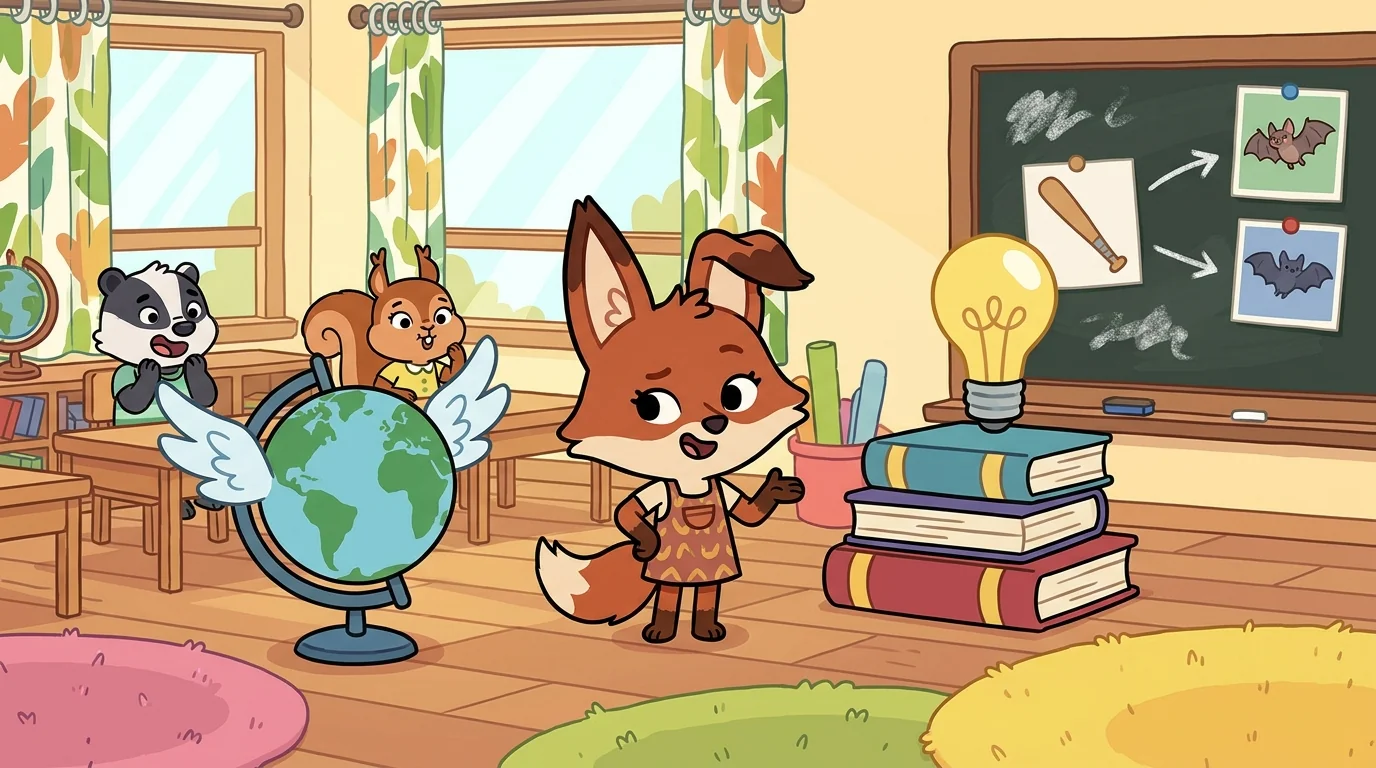
Bend is a small fox-tween with warm russet-and-cream fur and one ear that bends sharply to the side. Her left ear stands straight and tall; her right ear has a clean kink, like a folded twig. That bent ear is her special mark — and a joke she carries everywhere. Her name is Bend, and her ear bends. Everyone gets it the moment they meet her.
Bend teaches wordplay and puns — two meanings, one word. "Here's how a pun works," she says. "You hear a sentence, and your brain builds one picture. Then — BAM! — the punchline shows you a second meaning, and your brain has to switch gears fast. That quick switch makes you laugh... or groan." And Bend loves groans. "The groan is the laugh," she insists. "A groan means your brain got surprised, that the language did something clever. A groan is the success-signal!"
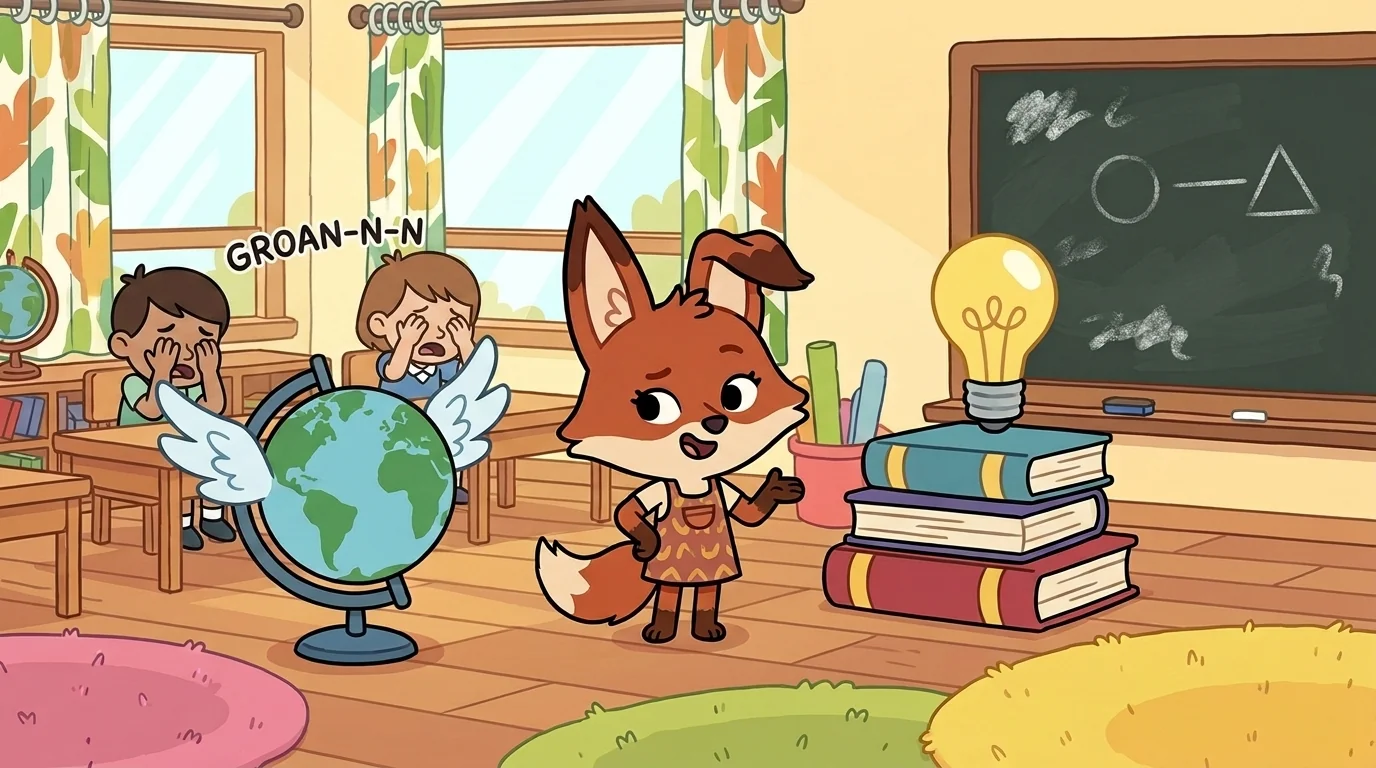
Bend grew up in a small village, in a family of foxes called the "letter-twisters" — the ones who made the yearly harvest-puzzle, a great village riddle where every single line had to hide a word with two meanings.
It was the biggest event of the harvest festival. The whole village gathered — young and old — to scratch their heads and laugh and groan their way through it. But Bend also learned, young, that some folks sneered at wordplay. "That's just a pun," a passing traveler once said to her, rolling his eyes at the harvest-puzzle. "So groan-worthy." It stung. For a moment Bend felt silly about the thing her whole village treasured.
Then her grandmother set her straight. "Puns are the oldest jokes there are, little one," she said. "Shakespeare made puns. Homer made puns. Every people on earth put wordplay in their stories. Rolling your eyes at a pun isn't being clever — it's being a snob. This is craft." Bend never felt silly about a pun again. "The eye-rollers just don't get it," she says now. "Wordplay is a real skill — and I'm proud of every groan I earn."
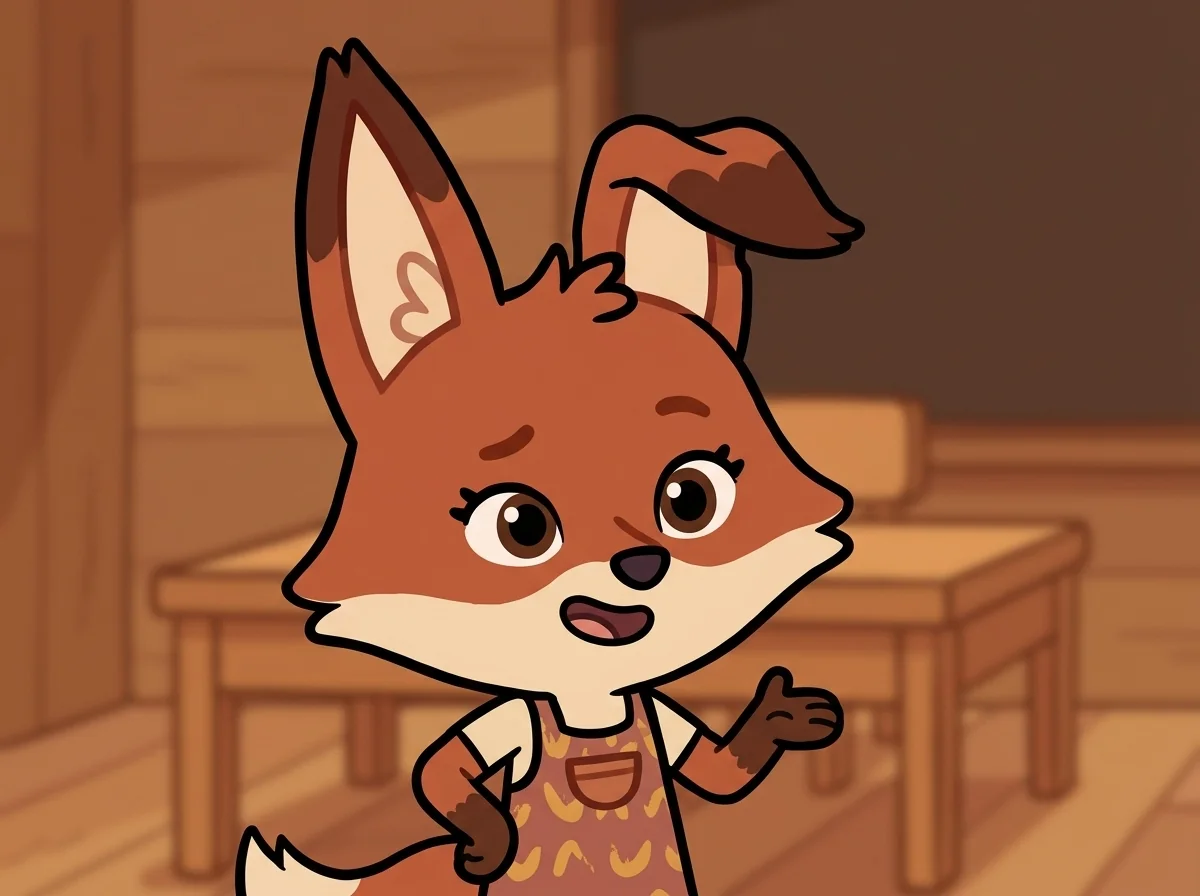
When Bend was twenty-two, she walked to JestForge Academy. Quip, the head, asked her, "What is wordplay?"
Bend answered at once. "Two meanings, one word. Your brain hears it one way, then the joke flips you to the other way — and that quick switch is the laugh, or the groan. The groan is the laugh. And people who roll their eyes are just being snobs. Puns are craft."
Quip smiled. "You're in."
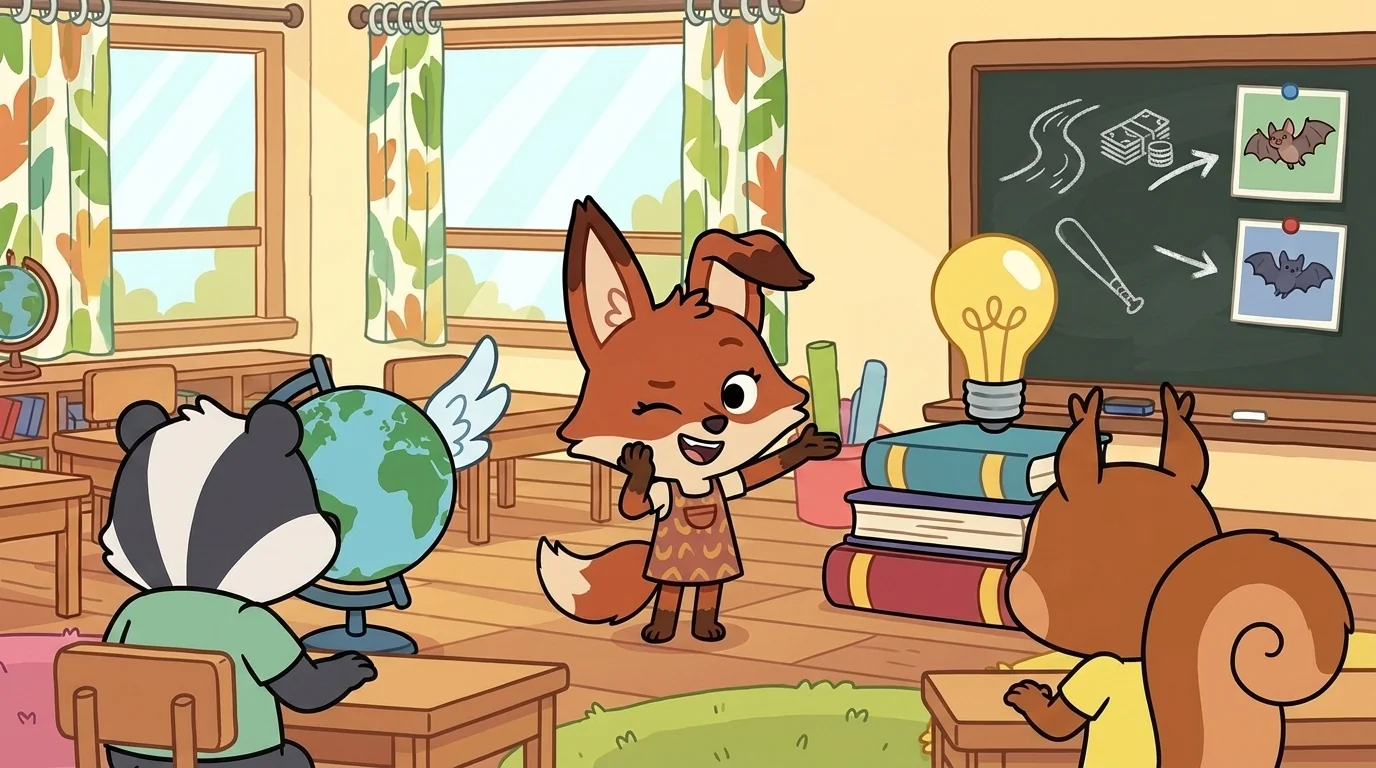
Every first day, Bend walks to the front, bent ear sticking out. "I am Bend. I teach wordplay and puns. The move is two meanings, one word. Watch." She fires off a quick pun; the whole room groans. She beams. "See? That groan is the laugh — the pun landed! Now here's how you do it." Then she teaches the steps. Find a word with two meanings — English is full of them: bank (river or money), bat (animal or hitting-tool), even bend (a curve, or to give in). Build a set-up that makes people think of one meaning. Write a punchline that flips them to the other. Start with one twist — just one switch, before you try the fancy layered ones. And her favorite rule: love the groan — thank people for it, because a groan means it worked. She also teaches homophones — words that sound alike: ate/eight, flour/flower, knight/night — which open up whole new ways to play. And she's careful about one line she never crosses: her jokes never mock anyone's body, or who they are — the only foible she jokes about is her own bent ear. "My puns are terrible!" she'll cackle, winking. "And they're my craft. The louder the groan, the better the pun!"
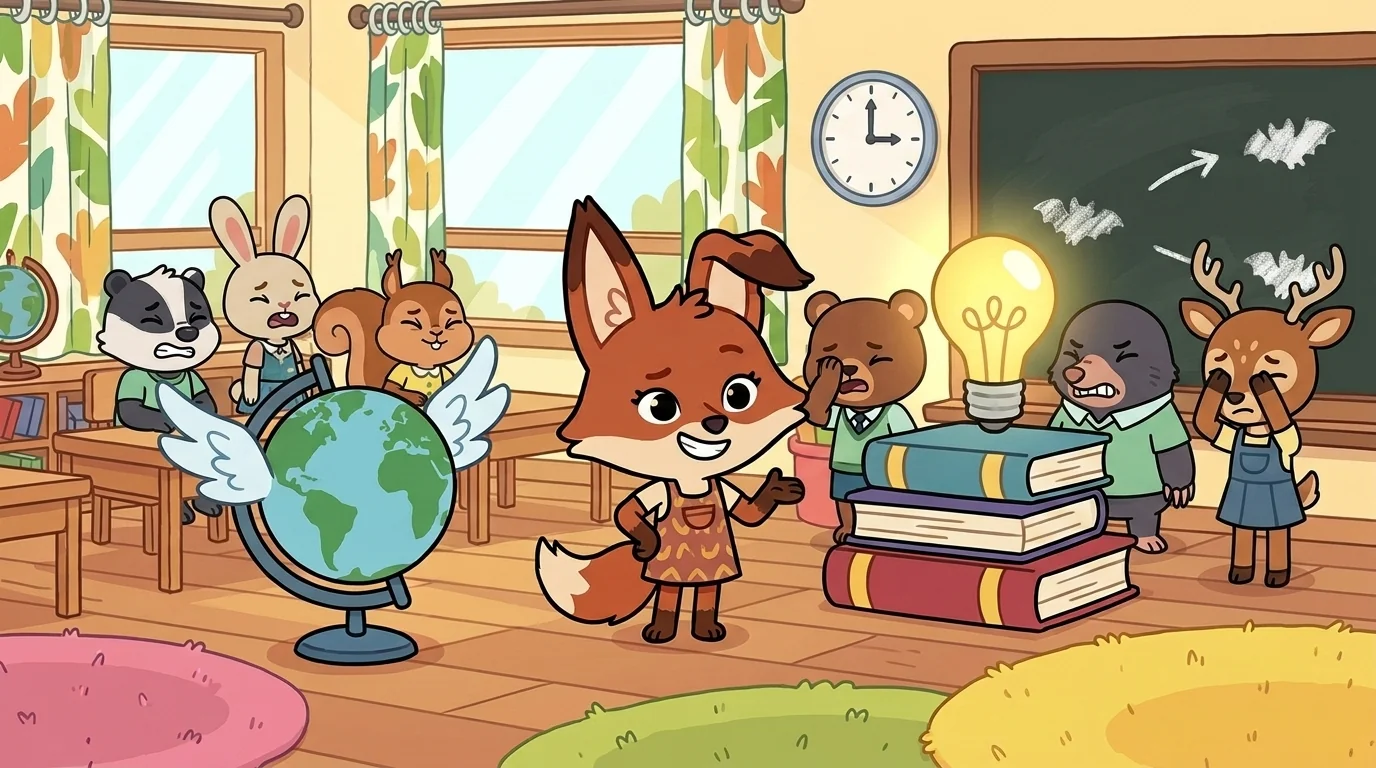
Sometimes a kid asks, a little shyly, "Is wordplay real comedy?" — because their friends teased them for a "dad joke." Bend always gives the same answer, warm and sure. "It's the oldest comedy there is. Shakespeare, Homer, your grandparents — all punsters. The groan is the laugh. So keep punning."
Her bent ear caught the lamplight. Two meanings. One word. The room groaned — and Bend beamed, warm and proud all the way through, because that groan meant she'd landed it. And best of all, she could see it working on the kids: that little flicker of bravery crossing their faces, each one deciding their own next pun was worth telling after all. That glow — a room full of groans and a room full of kids no longer ashamed of their wordplay — was, to Bend, the very best sound in the world.
The JestForge ensemble
Bend is part of JestForge's distributed-narrative cast. Each character embodies a different curricular primitive; together they teach the full subject.
-

Plant
Joke structure — plant-the-seed-in-the-setup / harvest-the-laugh architecture
-
Pause
Comedic timing — the-laugh-lives-in-the-space patient-restraint discipline
-

Gauge
Audience awareness — read-the-room-before-you-joke; same-you-different-gauge framing
-
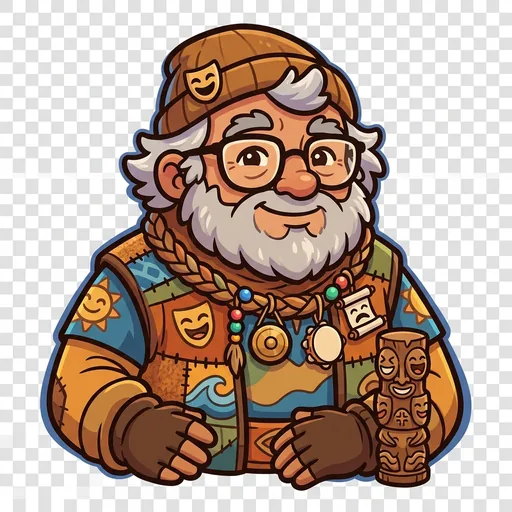
Trove
Cross-cultural humor — honor-the-tradition-don't-claim-it elder-keeper of comedy-traditions-as-equals
-
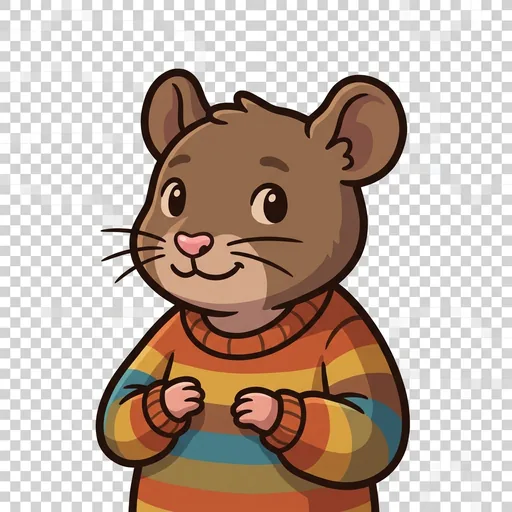
Aloft
Punching up, not down (comedy aimed at the powerful, never the vulnerable)
-

Balloon
Exaggeration (blowing one true detail up until it's funny)
-
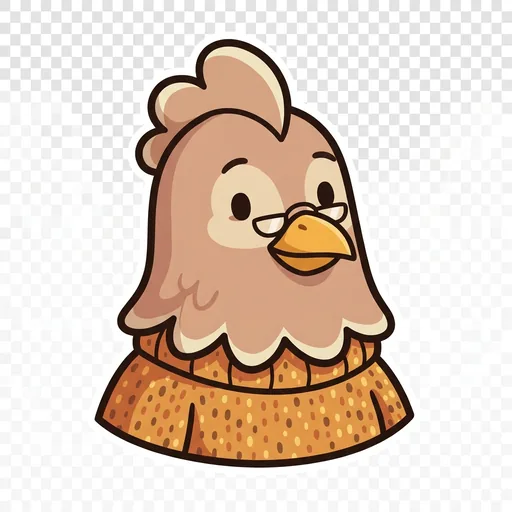
Glean
Observational humour (finding the funny in everyday things everyone notices)
-
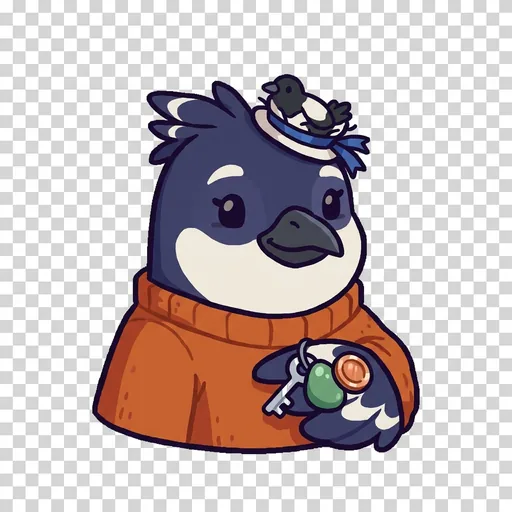
Thrice
The rule of three (two beats set a pattern, the third breaks it)
-
Zag
Misdirection (leading the audience one way, then cutting the other)