Rejoinder and Errata
REJOINDER & ERRATA — *being fair to the people in your story is two duties, not one. ask the other side BEFORE you print (get it right the first time); fix the mistake AFTER if one slips through (make it right when you know better). before and after, together.*
Loading audio…
Press play to listen along. The line being read lights up as you go.
Show full transcript
Loading transcript…
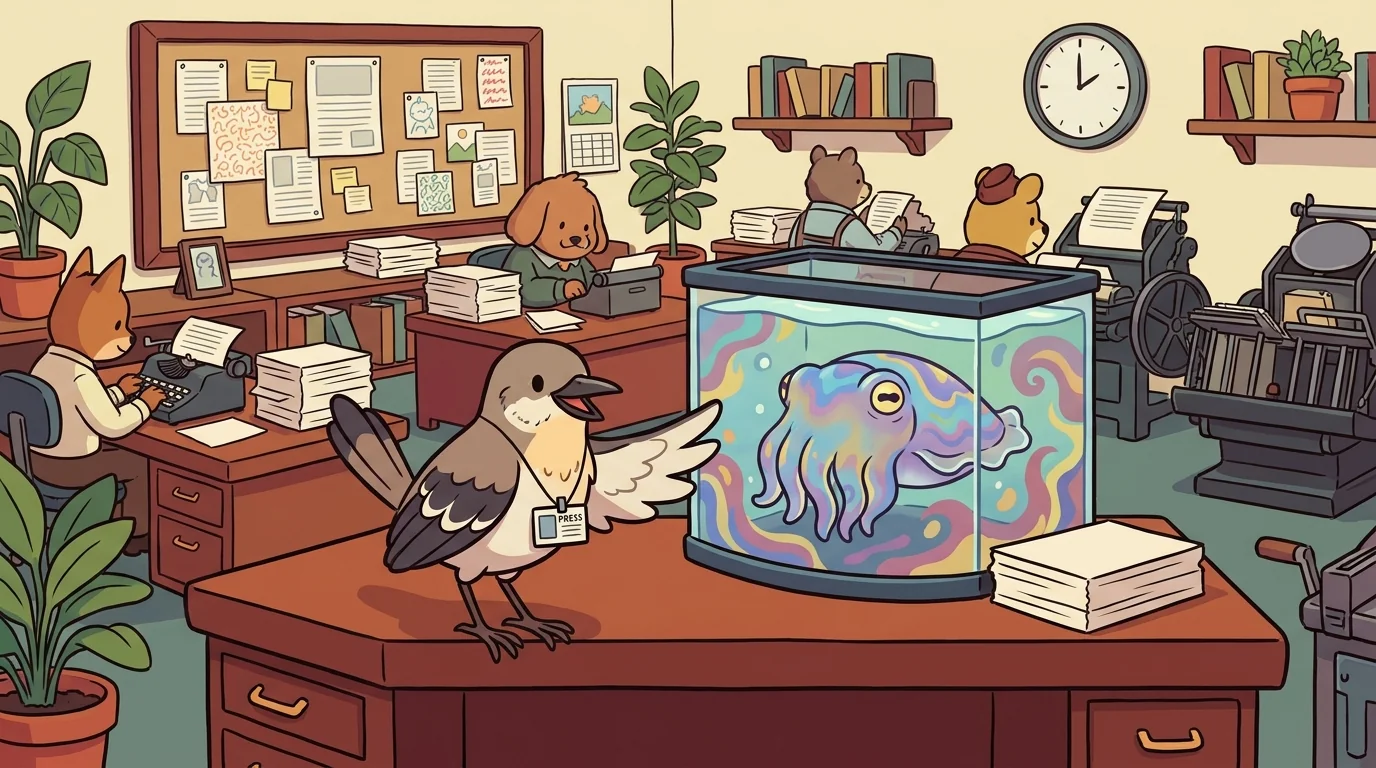
A young reporter came to InkQuest tangled up in a hard case. "I wrote a story that blamed a baker for a bad batch of bread that made folks sick," they said. "I was so careful! I checked my facts twice. And it turned out I was still wrong — it wasn't his flour at all, it was the water supply. I feel awful. Did I fail? Was there anything I could even have done?"
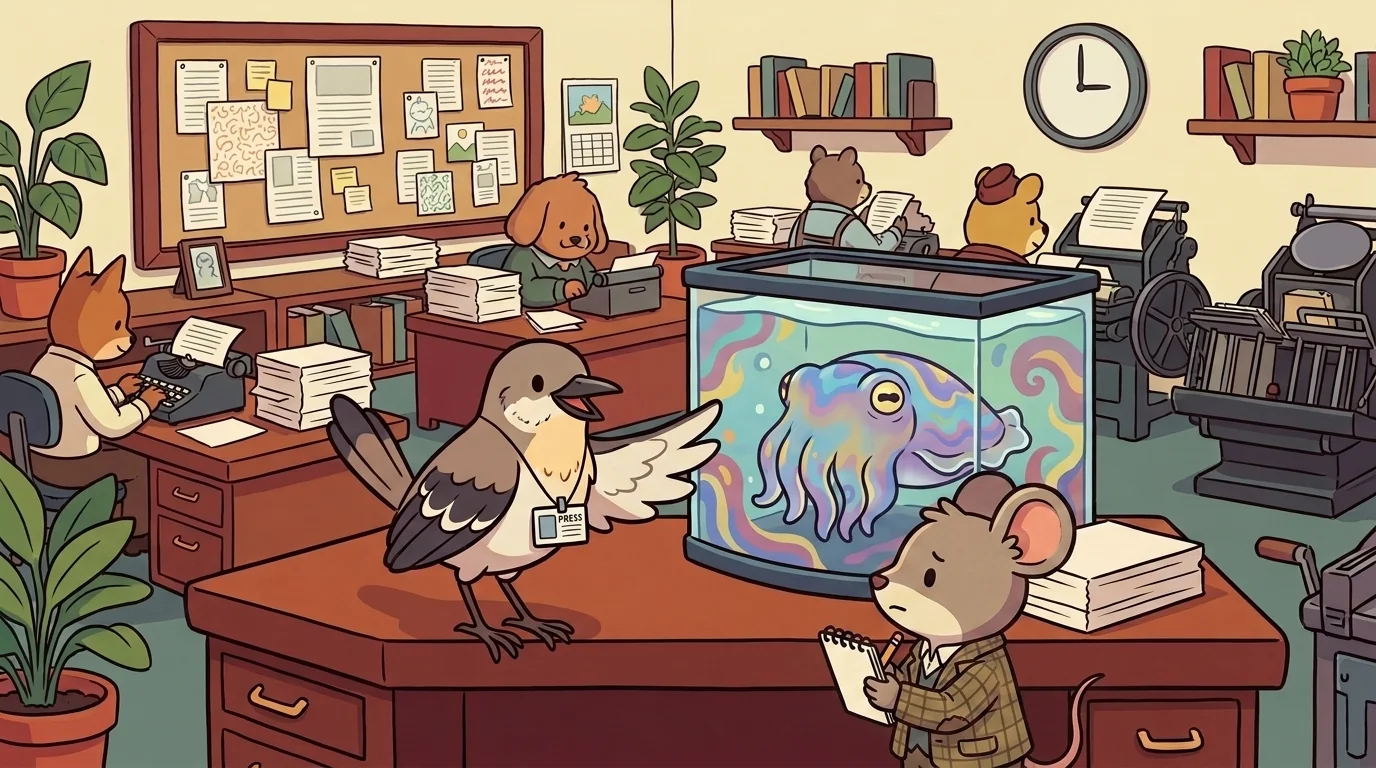
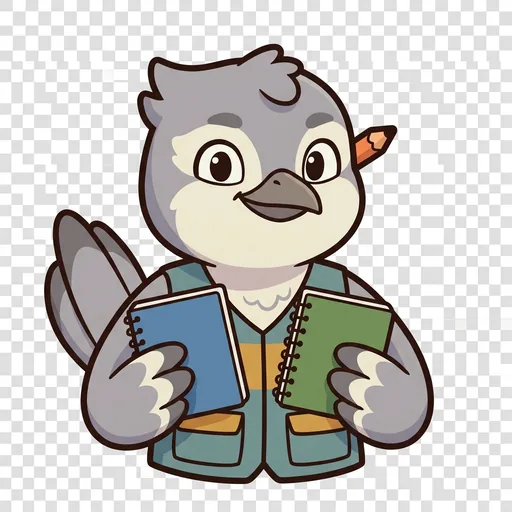
Rejoinder the mockingbird and Errata the cuttlefish looked at each other — the one who gets the other side before you print, the one who fixes the mistake after — and each saw half of what the reporter had missed, and knew the halves were one duty in two directions.
"You did fail at one thing," said Rejoinder gently. "Not the thing you think."
"And there's a second thing you can still do right now," said Errata, her skin rippling. "Two duties, this job. Being fair before, and being fair after. Let us show you both."
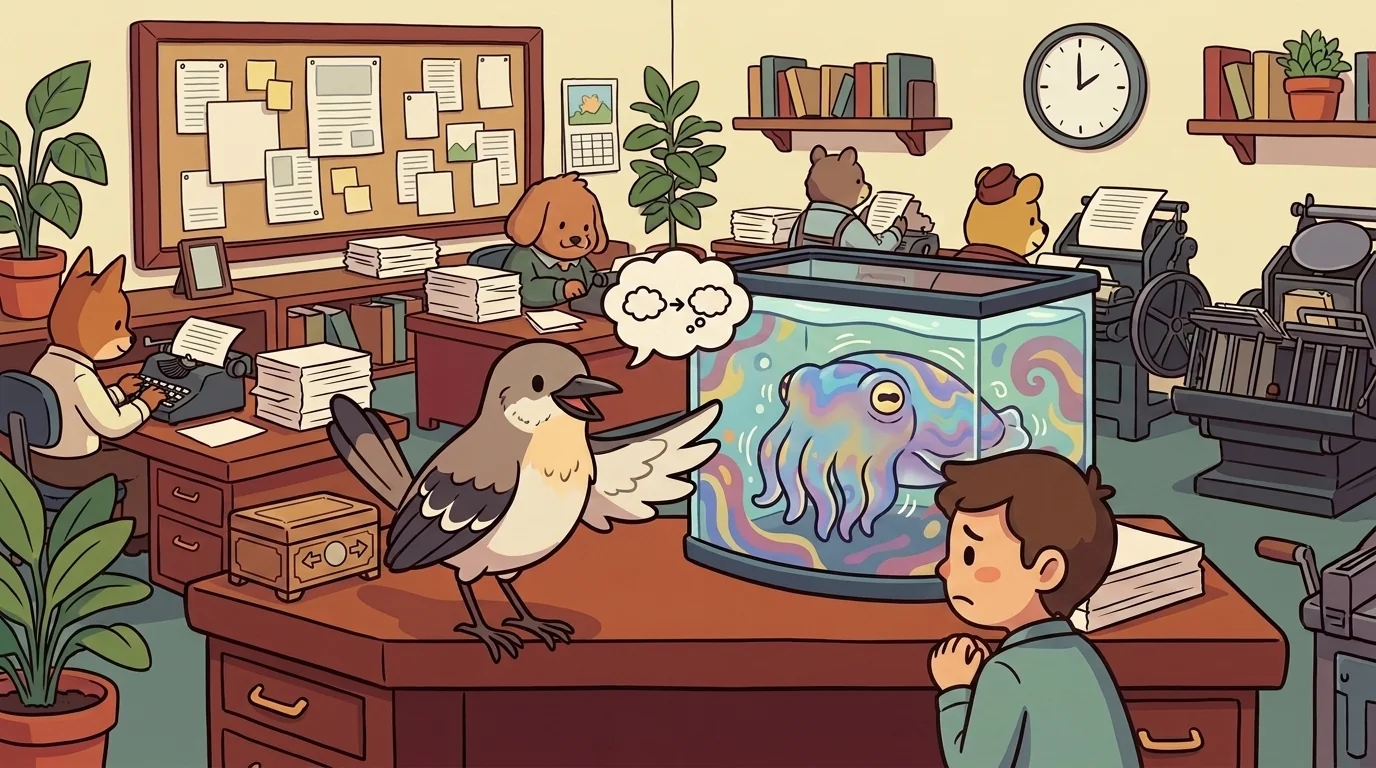
Rejoinder went first, because fairness starts before a word is printed.
"You checked your facts twice — good," Rejoinder said. "But did you go to the baker before you printed? Did you tell him what you were about to say and ask him to answer?"
The reporter's face fell. "...No. I was so sure. His bread, people sick — it seemed obvious."
"There it is," Rejoinder said, not unkindly. "That's the before failure. If you'd gone to the baker first — I'm about to report your flour made people sick; what do you say? — he'd very likely have told you: my flour's fine, I've tested it, but the town water's been off all week. And your whole story changes before it ever hurts him. That's what the other side is for. It's not a courtesy you add at the end. It's a safety net that catches wrong stories before they're printed." She spread her gray wings. "The other side isn't just fair to him. It's what would have kept you from being wrong. You skipped the one step that most often saves a reporter from exactly this." She looked across at Errata. "So that's the before. You missed it, and it cost you. But the story's already printed now, and a baker's already been wrongly blamed. Which means the job isn't over — there's an after. And that's her half."
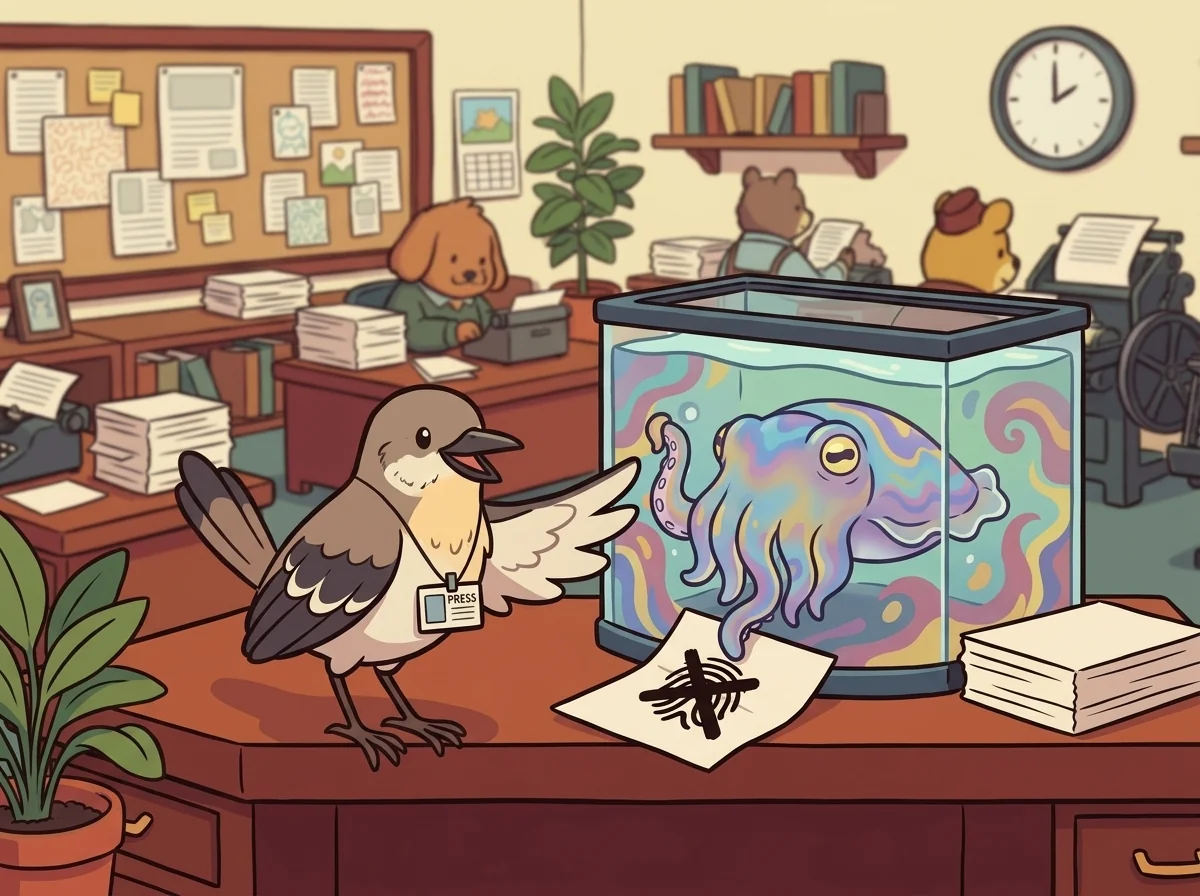
Errata took over, her colors settling clear, because fairness doesn't end when the mistake is made.
"The before is gone — you can't un-print it," Errata said. "But here's what you can still do, and it matters just as much: fix it, out loud, now." She stamped an imaginary page: CORRECTION. "You go to the reader and you say it plainly — Correction: we reported that the baker's flour made people sick. That was wrong. The cause was the town water supply. We're sorry, and we especially apologize to the baker for the harm this caused." She looked at the reporter. "Fast. Up front, where everyone who read the wrong story will see it. Naming what was wrong and what's true. And — because a person was hurt — a real apology, to him, by name." Her skin flushed warm. "Because here's the thing about being wrong: hiding it now would be a second wrong, worse than the first. The first was a mistake. Hiding it would be a choice. Fixing it openly is how you're fair to the baker after you failed to be fair to him before — and it's the only way to keep the reader's trust, too." She looked at Rejoinder. "The before catches most wrongs. But some slip through anyway — and when they do, the after is what's left of fairness. You don't get to skip it just because the before is already lost."
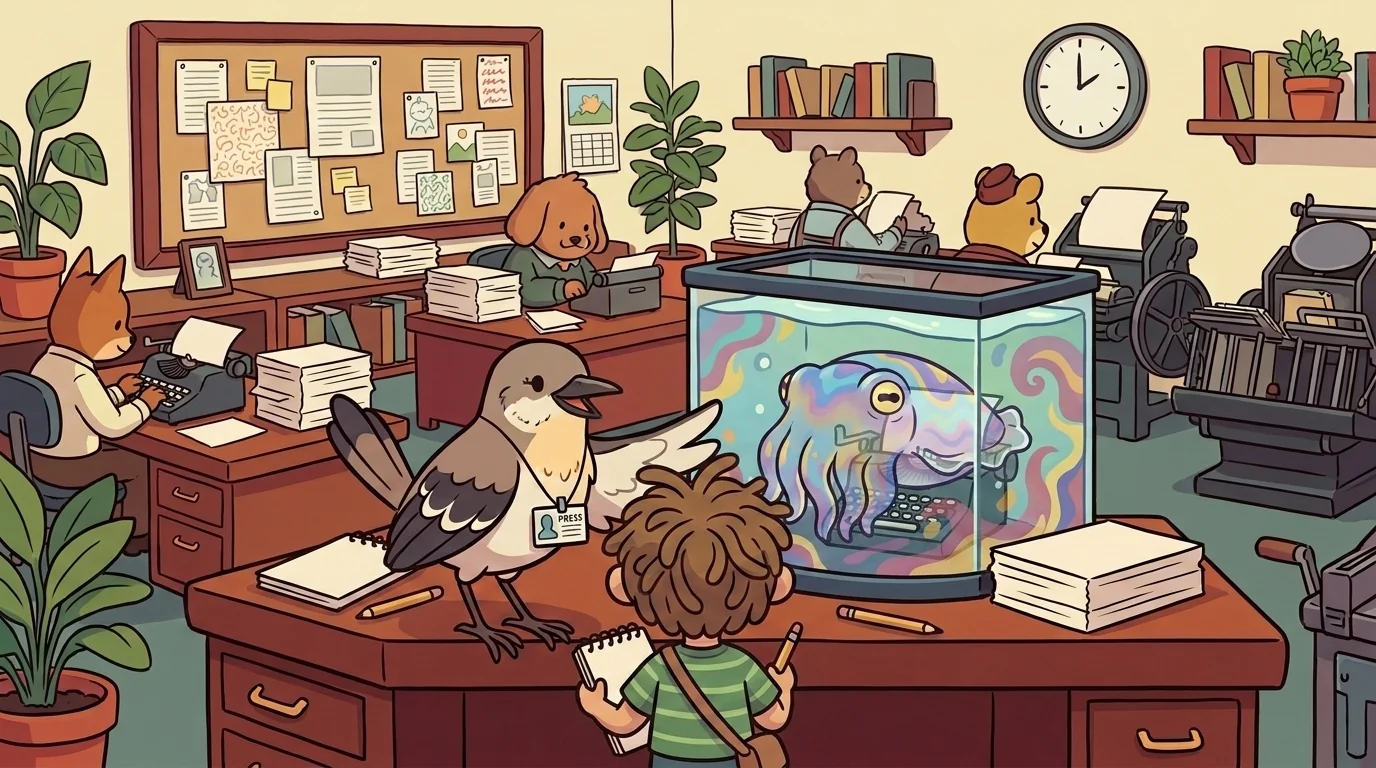
And then, together, they showed the reporter the whole shape of fairness.
"So being fair to the people in your story is two duties," said Rejoinder, "pointing in two directions in time. Before you print — get the other side, so you're most likely to get it right the first time. That's mine." She spread her wings. "After you print — if you got it wrong anyway, fix it openly and apologize. That's hers." She and Errata stood on either side of the tangled reporter.
"And separately, each is incomplete," said Errata. "All the careful before in the world won't save you from every mistake —"
"— and all the honest after in the world is no excuse to skip the before," said Rejoinder. "You can't think I'll just correct it later as a reason to not ask the other side now. That's not fairness. That's laziness with a safety net."
"But together," said Errata, "before and after — ask first, fix after — and you've been fair to the people in your story the whole way through. You do everything you can to get it right before it can hurt anyone. And when something slips past you anyway, as it sometimes will, you own it and mend it in the open." Her skin settled warm and clear. "That's not one duty with a backup. It's two halves of a single honesty: I will try my hardest not to wrong you, and if I do, I will make it right."
The reporter sat with it, the shame turning slowly into something more useful. "So next time," they said, "I ask the baker first. And this time — I can still write the correction. Own it. Apologize to him by name."
"Now you've got the whole of it," said Rejoinder and Errata together.
"It's more than I thought fairness was," the reporter admitted. "I thought being careful was the whole job."
Rejoinder and Errata traded a look, gentle now.
"Careful is most of it," Rejoinder agreed. "The before catches the great majority of wrongs, and it's where fairness really lives — asking the person you're about to write about, every time. If you build one habit, build that one." She softened. "But no reporter is perfect, and a person who thinks careful is enough has no plan for the day they're careful and still wrong."
"And that day comes for everyone," said Errata, her colors clear. "So you carry both. Fair before — ask, always. Fair after — fix, honestly, when you must. Between the two of us, the people in a story are treated right from the first question to the last correction. And a reader who watches you do both — ask everyone, and own your mistakes — learns something rare: these folks can be trusted, because they're fair in both directions."
The reporter looked from the mockingbird who carries every voice to the cuttlefish who cannot hide a mistake — the one who's fair before, the one who's fair after — and understood that fairness had never been a single careful act, but a promise kept in two directions: to try their hardest not to wrong anyone, and to make it right when they did.
And Rejoinder and Errata felt it settle warm and shared between them — that clicked-together, fair both ways, all the way through gladness that comes when carefulness and honesty reveal themselves as two halves of one integrity. Rejoinder loved the asking-first. Errata loved the fixing-after. But what they loved most was this: showing a stricken young reporter that failing to be fair before didn't mean fairness was lost — that there was still an after to get right, and that a journalist who honors both is one the people in every story, and every reader, can finally trust.
The InkQuest ensemble
Rejoinder and Errata is part of InkQuest's distributed-narrative cast. Each character embodies a different curricular primitive; together they teach the full subject.
-

Lede
Story-from-data — finding the angle; what's the story under the numbers?
-
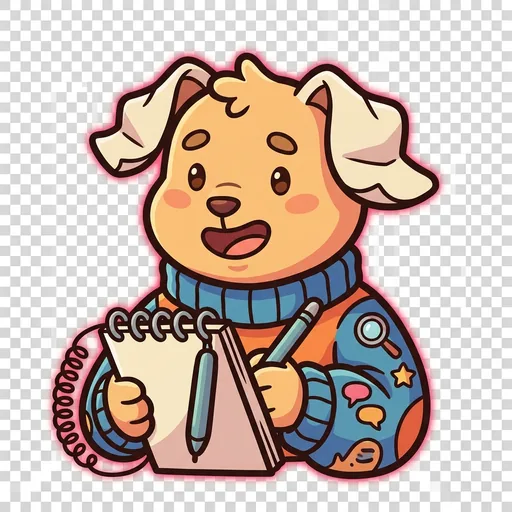
Pad
Field-capture + interview craft — open the question; let the answer breathe
-
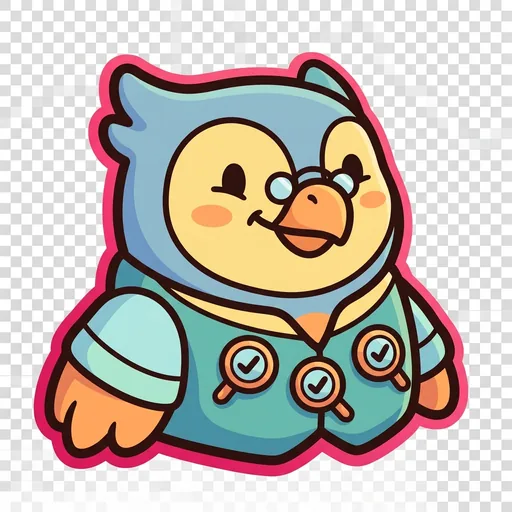
Crosscheck
Verification + triangulation — three sources say the same thing, now I have something
-
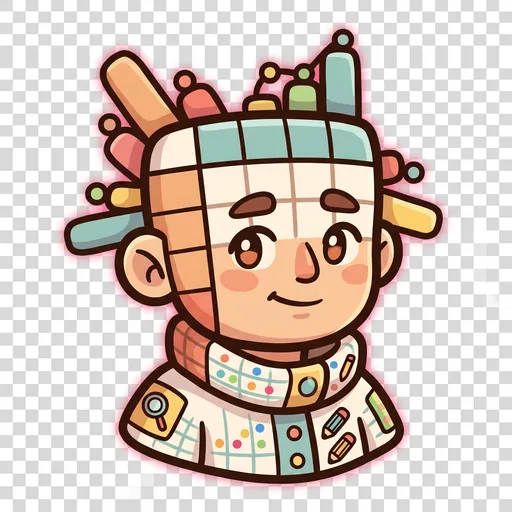
Margin
Data-table + chart-annotation craft — label the axes; caption the chart; credit the data
-

Footer
Citation + provenance — every number has a name behind it; tell the reader who counted
-
Column
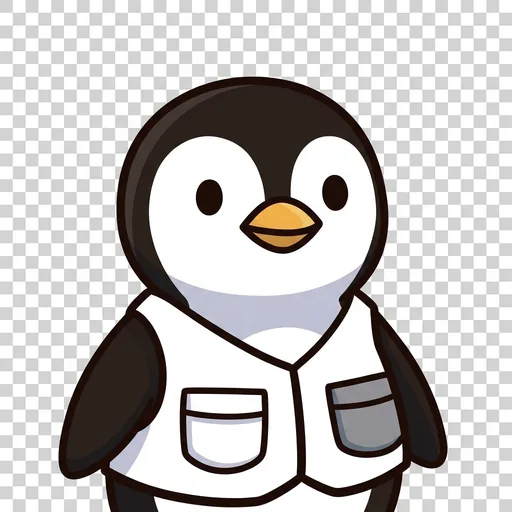
Fact-vs-opinion — what happened and what I think about it are two different things; label which is which
-

Dig
Investigative persistence — the first 'no' is where the story starts; keep asking, keep following
-

Errata
Corrections + accountability — when you get it wrong, fix it out loud; a paper owns its mistakes
-
Rejoinder
Fairness + right-of-reply — before you print it, get the other side; everyone named gets to answer
-
Yardstick
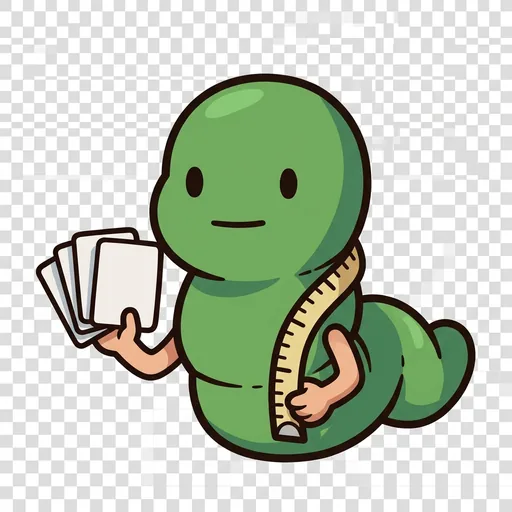
Context — a number alone means nothing; compared to what? give the reader something to measure against