Developmental (FEDC-informed)
ShadeForge
“Everyone hates me.” “I’m terrible at math.” Turn every all-or-nothing switch into a dial — how many, how much, how sure? Then step into the compromise studio: two sides, one problem, and five moves (split, alternate, trade, stack, or a third option nobody thought of). Design the middle that FITS both sides. Fitting, not winning. On-device, nothing saved.
▶ Play it nowBuilt for sittings of about 20 minutes on the screen. That is our design budget, not a measurement.
Meet your mentor
Every Spark & Anvil app has a friendly mentor character that demonstrates, asks, and patiently scaffolds learning.
Mentored by Gamut
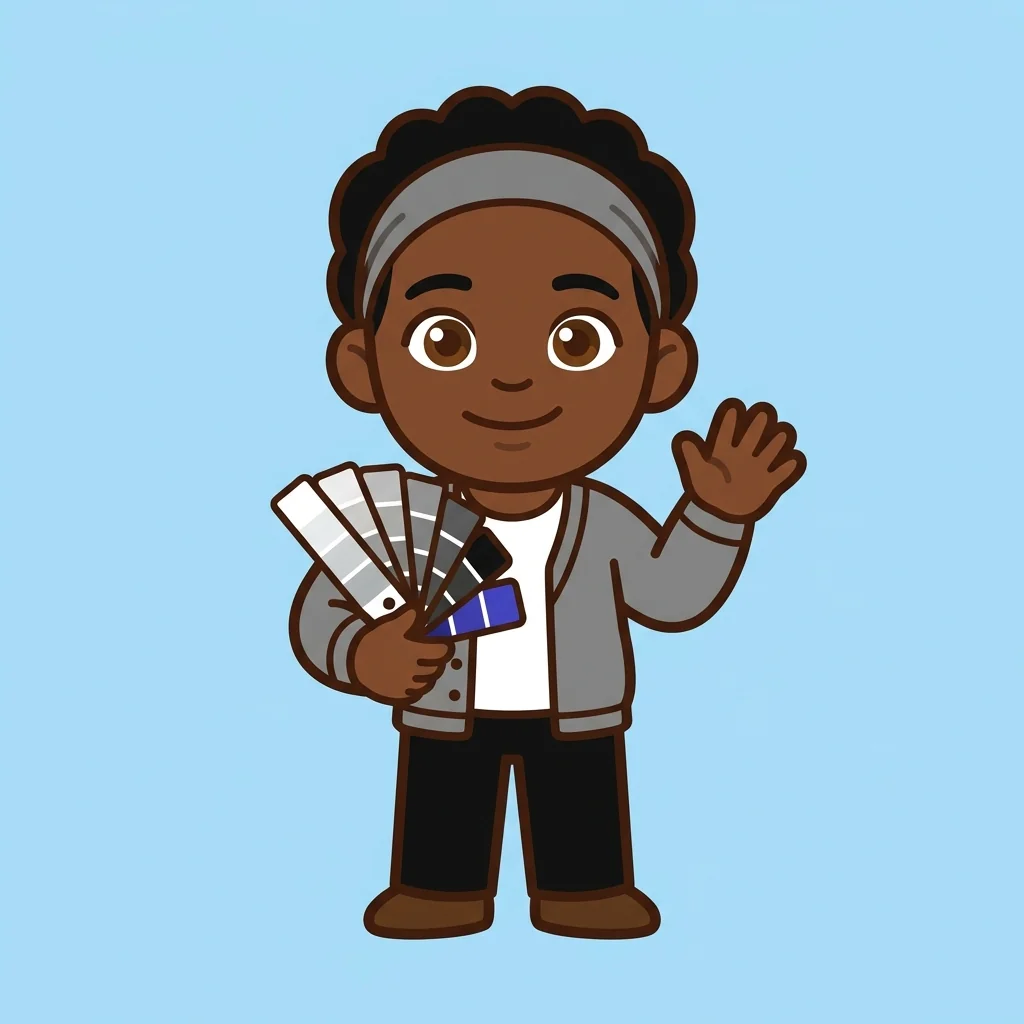
#4338ca Characters who teach
Meet the cast
ShadeForge's crew work out of the Little Lamp Theatre. Gamut asks what each side really needs. In the Dial Room, Rheo turns a switch into a dial, Tolly counts how many, Ellery asks compared with what, and Odelia asks how sure. In the Compromise Studio, Halvie splits, Turnby takes turns, Quid trades, Tierney stacks and Novo finds a third option, while Truett checks whether there is a fact to look up first.
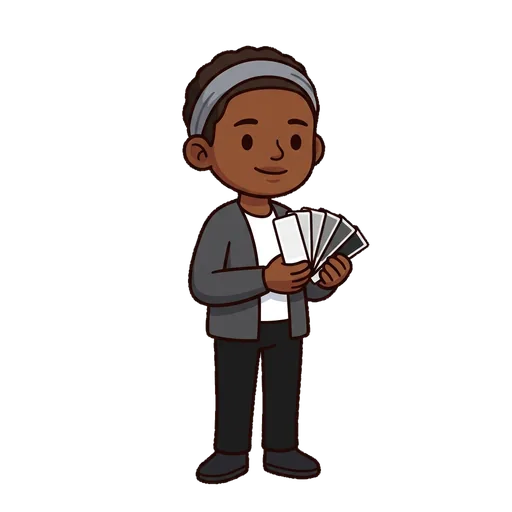
Gamut
never asks who is right; asks what each side really needs
Read chapter →
Rheo
Turns an all-or-nothing switch into a dial
Read chapter →

Tolly
Asks how many, really - and counts
Read chapter →
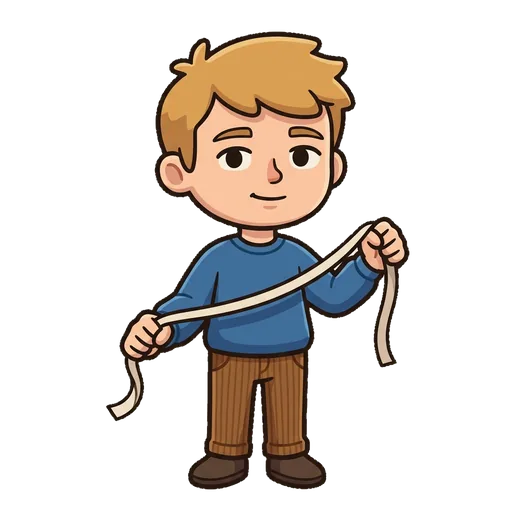
Ellery
Asks how much, compared with what
Read chapter →
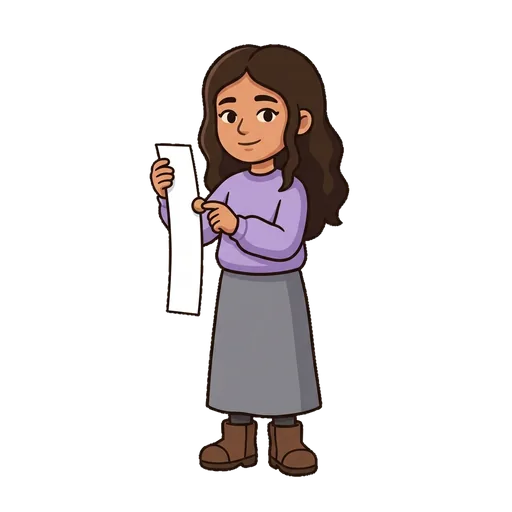
Odelia
Asks how sure we really are
Read chapter →
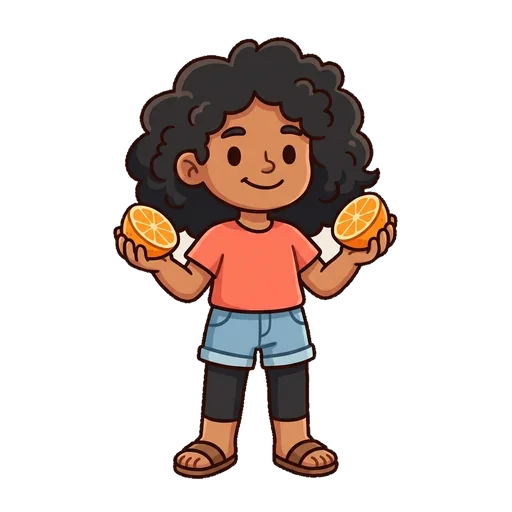
Halvie
The Split move - each side gets part of what they want
Read chapter →

Turnby
The Alternate move - take turns across time
Read chapter →

Quid
The Trade move - swap something each side values
Read chapter →
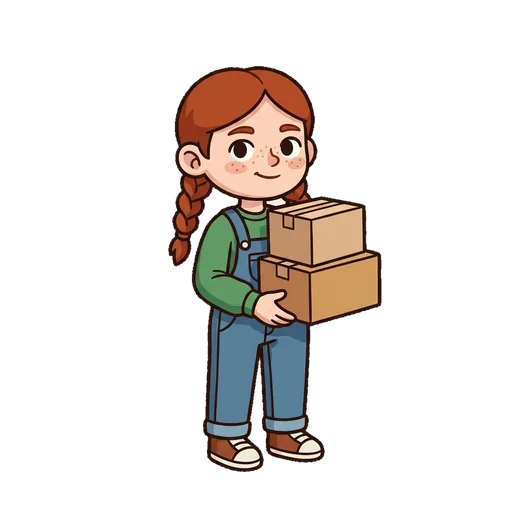
Tierney
The Stack move - do both, one on top of the other
Read chapter →
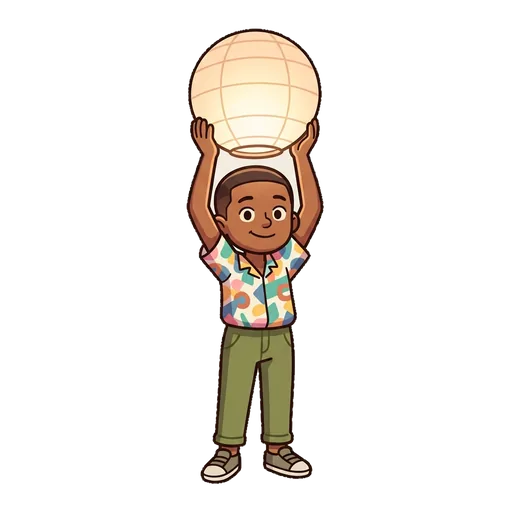
Novo
The Third Option - invents what neither side proposed
Read chapter →
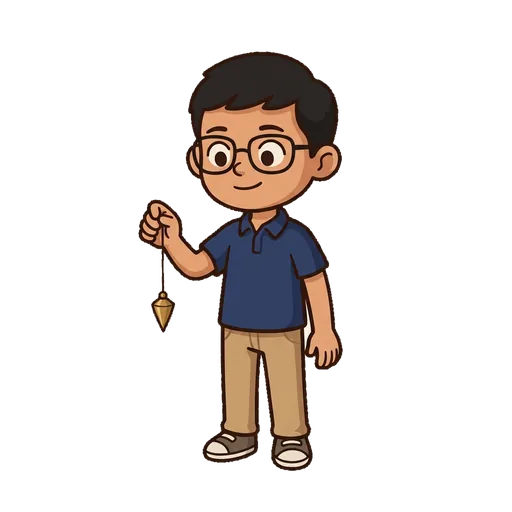
Truett
Tells a question with a true answer from a trade-off of values
Read chapter →
Browse all chapters → · What's distributed-narrative methodology? →
What's inside
Learning goal
“Everyone hates me.” “I’m terrible at math.” Turn every all-or-nothing switch into a dial — how many, how much, how sure? Then step into the compromise studio: two sides, one problem, and five moves (split, alternate, trade, stack, or a third option nobody thought of). Design the middle that FITS both sides. Fitting, not winning. On-device, nothing saved.
Mentored by Gamut — no data leaves the device.
How ShadeForge handles your kid's data
- ✅ All progress, settings, and AI-generated content stays on the device
- ✅ No analytics, no tracking, no third-party SDKs
- ✅ Free — no ads, no in-app purchases
- ✅ No personal information collected from children — in line with COPPA (updated by the 2026 FTC amendments)
- ✅ No chat with strangers — play-together rooms use a short code and preset emotes, never typed messages
ShadeForge runs on ForgeKit — the open-source Swift Package Manager framework that powers every Spark & Anvil app. ForgeKit ensures consistent accessibility, COPPA compliance, and design language across the portfolio, so your kid's progress and preferences feel coherent across every app they touch.
Coming to the App Store
ShadeForge is in active development. Email us to hear when it ships — no marketing, no spam, just a one-shot launch announcement.
Email me at launch